Avina Foundation at COP16: Global South Leadership and Local Solutions for Biodiversity Conservation
The Avina Foundation participated in the 16th United Nations Conference on Biodiversity (COP16), held in Cali, Colombia, from October 21 to November 1. One of the main achievements of this conference was the creation of a permanent subsidiary body focused on the rights of indigenous peoples and traditional communities. For the first time, nearly 200 countries officially recognized the role of Afro-descendant communities in the preservation and sustainable use of nature.
At COP16, the Avina Foundation presented two key messages that guided its activities and participation: the need for inclusive governance of biomes, with the leadership of the Global South to conserve 30% of ecosystems by 2030, and the importance of accessible financing for biodiversity conservation, directed to local populations, the main agents of sustainable solutions tailored to the context of each territory.
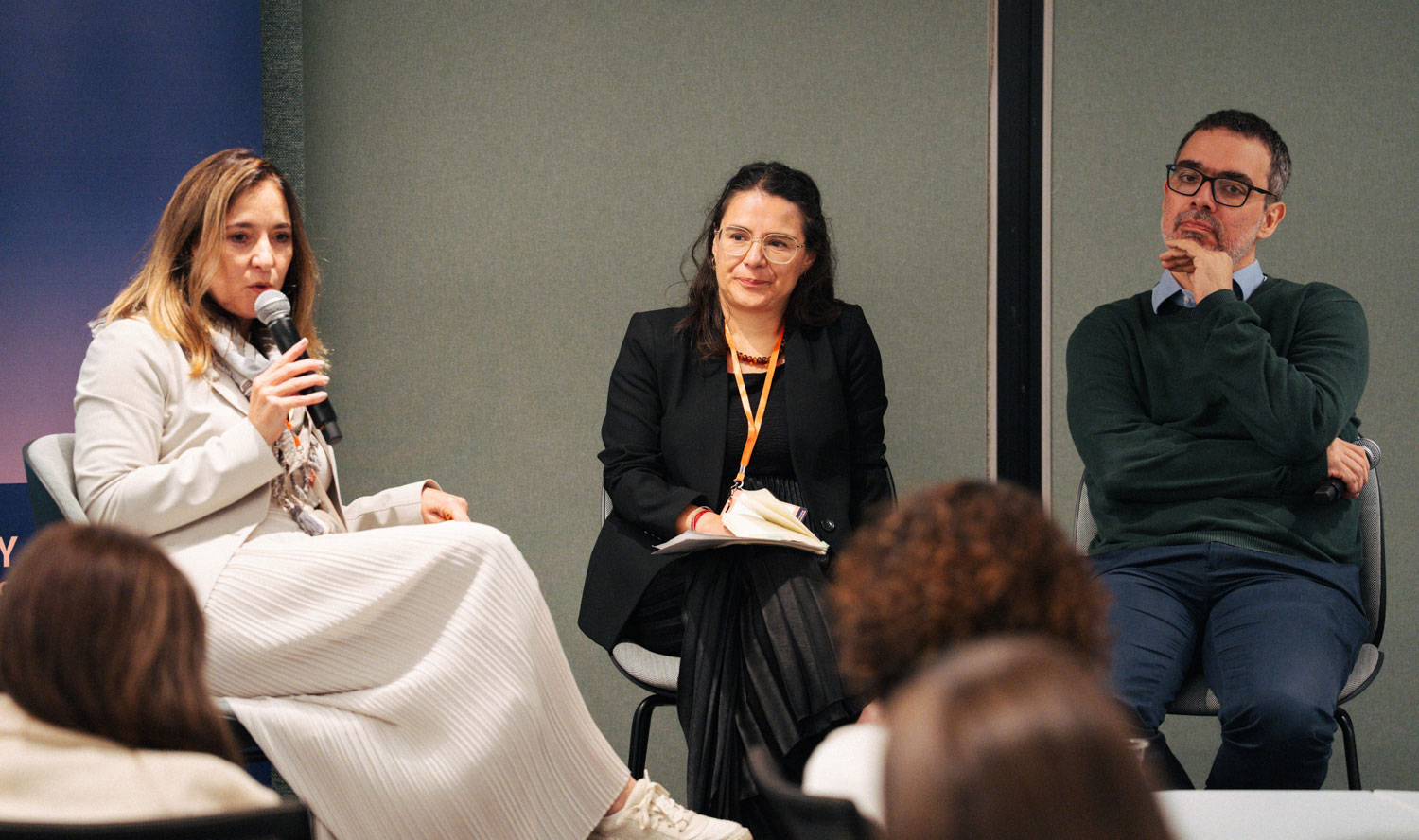
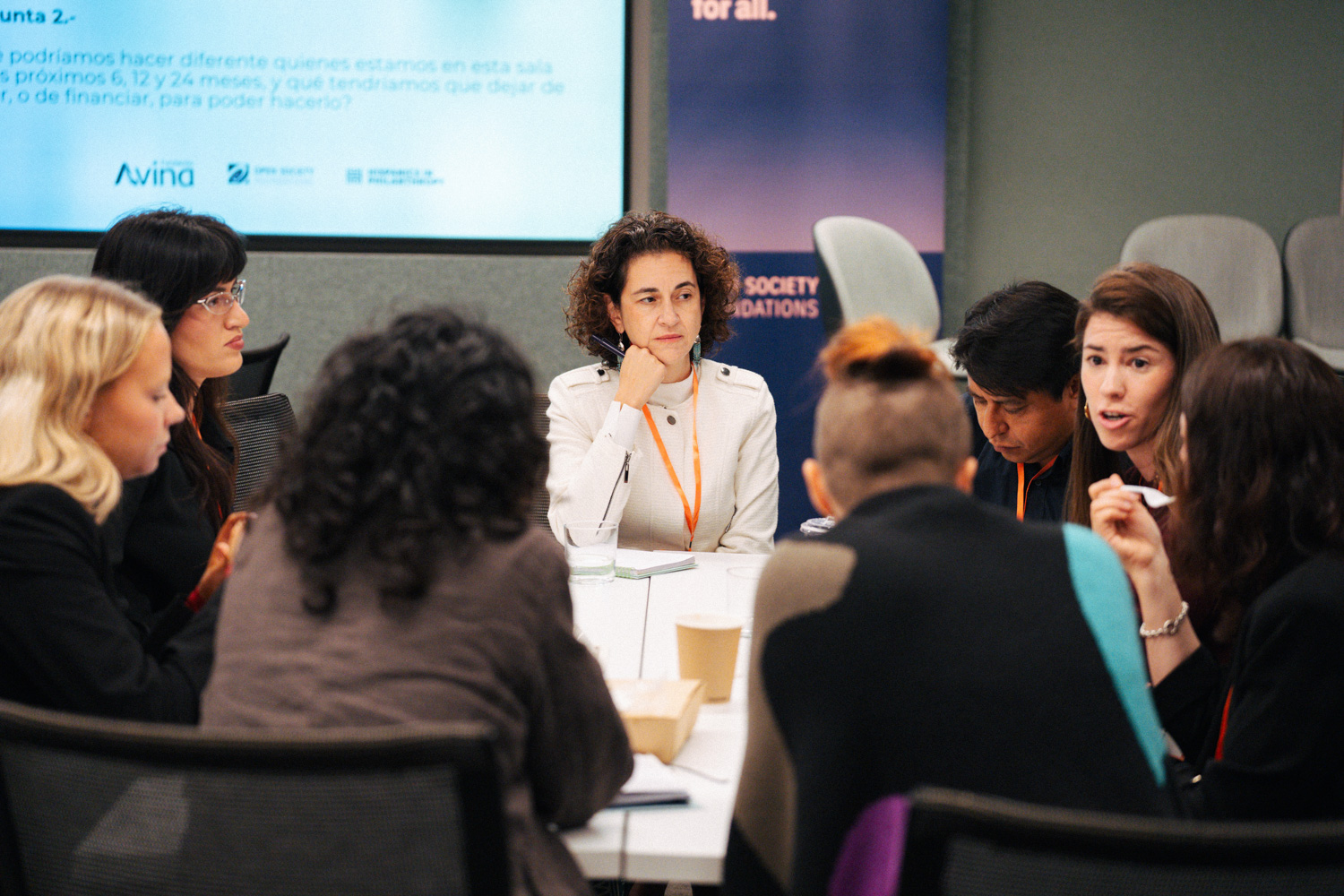
The focus of the discussions in Cali included topics such as: Climate Adaptation in the Panamazonia, Biodiversity Credits for Indigenous Peoples and Traditional Communities, Private Sector Participation in Biodiversity Protection, Plastic Waste Management, Bioeconomy, and Financing Mechanisms. The Avina Foundation participated in a series of events in partnership with strategic allies, including COIAB, Skoll, Instituto Life, Belterra, BBVA, Malungu, Redes Chaco, among others. The convention ended with optimism about the progress made, but it became clear that there is a need for further progress in concrete financing commitments for the protection and conservation of sociobiodiversity.
“Without a doubt, each sector of the nature conservation financing ecosystem, especially related to biodiversity and climate, has its role. Although international agreements are taking time to ensure the participation of various countries in this financing, there is still room for action. We want to help unlock the bottlenecks of this process by collaborating with those willing to try something new, take risks, and even fail. New models for financing locally led solutions are necessary and urgent,” commented Juliana Strobel, director of the Climate Action axis at the Avina Foundation.