Fundación Avina at the Europe-LAC Silver Economy Forum: Building a Global Agenda on the Silver Economy
Population aging is transforming the world, and Latin America and the Caribbean are no exception. By 2050, this region, historically known for its youth, will see its elderly population double, putting already strained health and social service systems to the test. Europe, where nearly one-third of the population is approaching or has surpassed 65 years of age, also faces economic and social challenges resulting from a shrinking workforce.
In this context, and with the goal of promoting a global development agenda focused on longevity, the Europe-LAC Silver Economy Forum took place from January 22 to 24 in Barcelona. The event was led by the Inter-American Development Bank and Fundación “la Caixa,” with the co-organization of various institutions, including Fundación Avina.
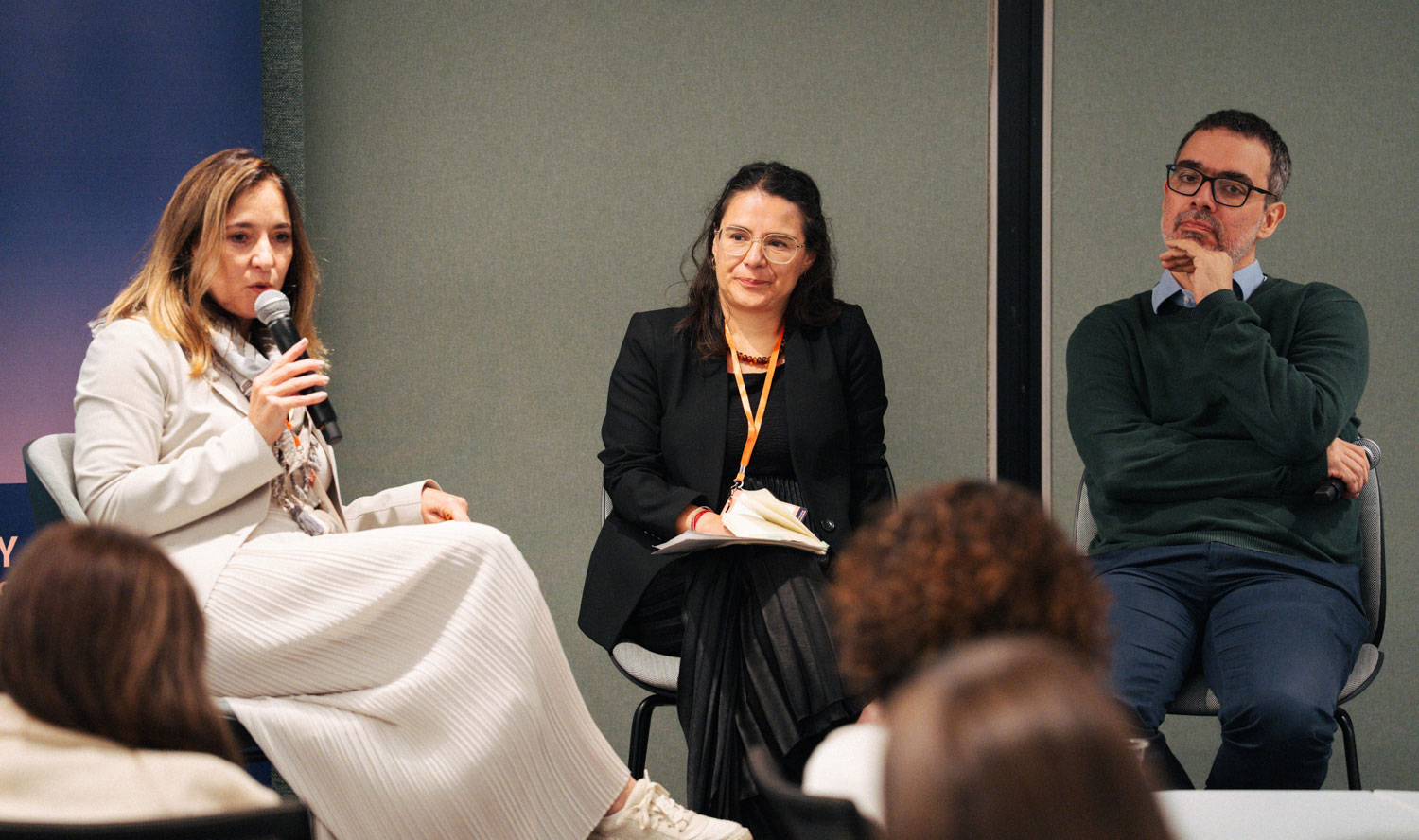
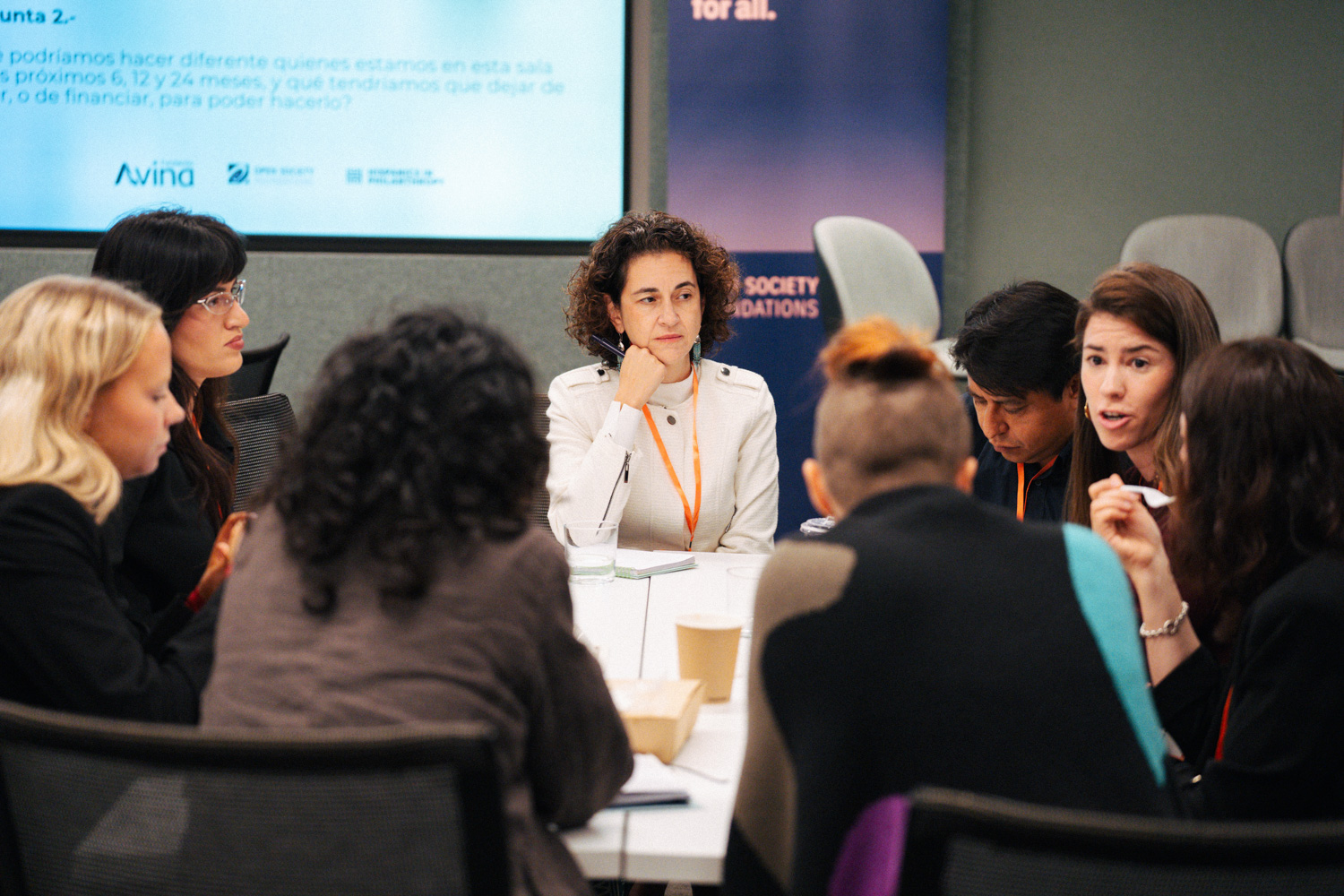
The Forum brought together nearly 300 global leaders, aging experts, and representatives from key sectors, including governments, businesses, NGOs, and startups, in a program centered on innovation, gender, and public-private cooperation. Valéria Scorza, CEO of Fundación Avina, participated as a panelist in the session “Silver Talent: Challenges and Opportunities for Employment and Entrepreneurship”, alongside representatives from key allied organizations such as the Inter-American Development Bank, Fundación Telefónica, Fundación Romero from Peru, and CaixaBank from Spain. The session emphasized the ethics of care as the foundation for designing economic models based on generational interdependence and co-created in a multisectoral manner with all stakeholders, including caregivers and care recipients.
The discussion on the silver economy connects directly with the agendas Fundación Avina has been promoting, particularly regarding care chains. As populations age, these care chains gain greater relevance, while also exposing dynamics of inequality. In many cases, caregiving responsibilities fall on women and migrants seeking better living conditions. Scorza emphasized that, by reflecting both the inequalities and the economic and social interdependencies between countries, these contexts demand national policies, international agreements, and regional standards that recognize, redistribute, and dignify this essential work.