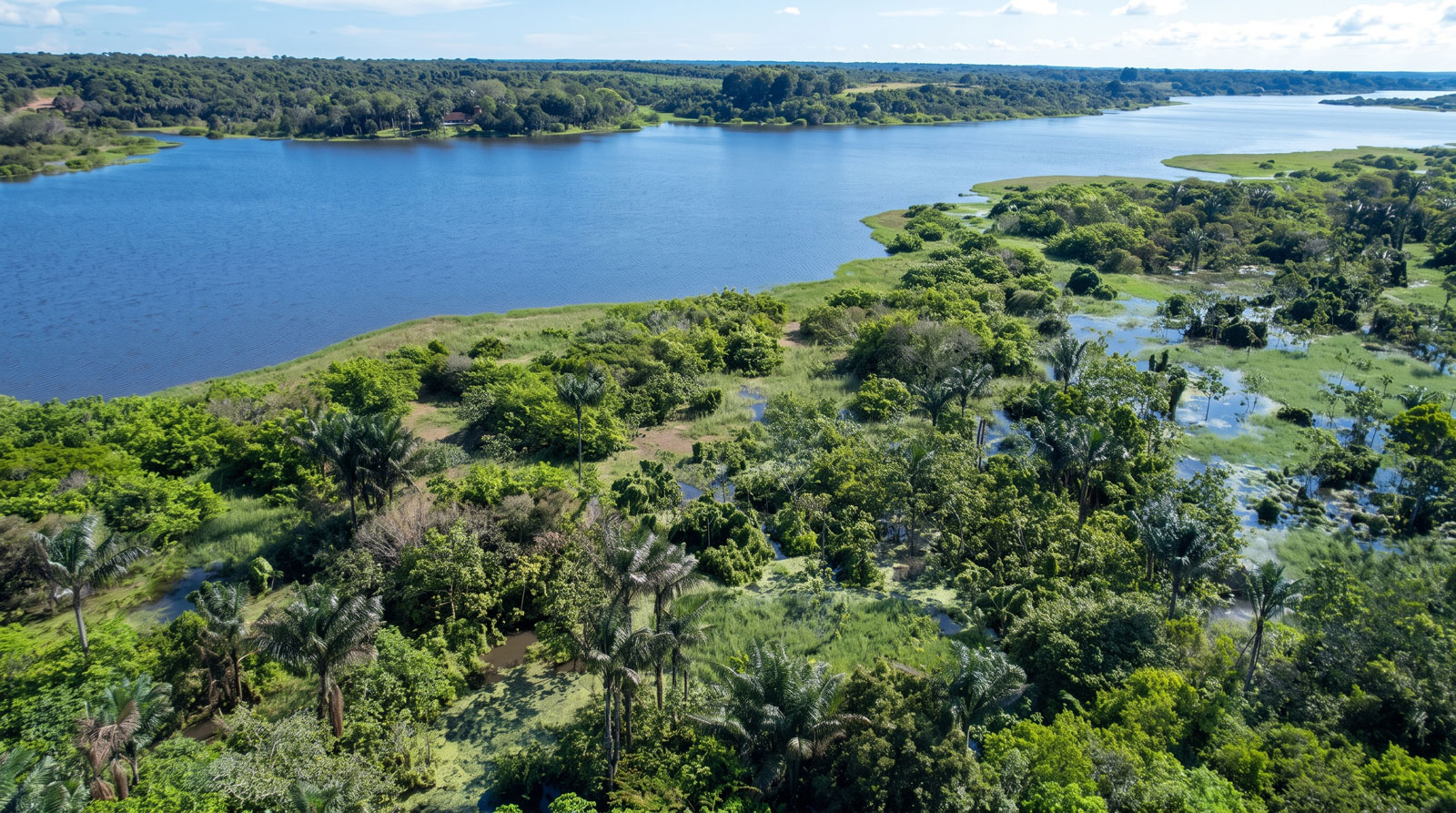
Between March 2 and 6, Fundación Avina’s team carried out a technical visit to Marajó Island to monitor the performance of pilot systems implemented under the Águas de Marajó component of the Marajó Resiliente Project.
Solar drip and sprinkler irrigation systems
In Soure and Salvaterra, the team observed the efficiency of systems that use photovoltaic energy for pumping, enabling continuous agricultural production with low operational costs.
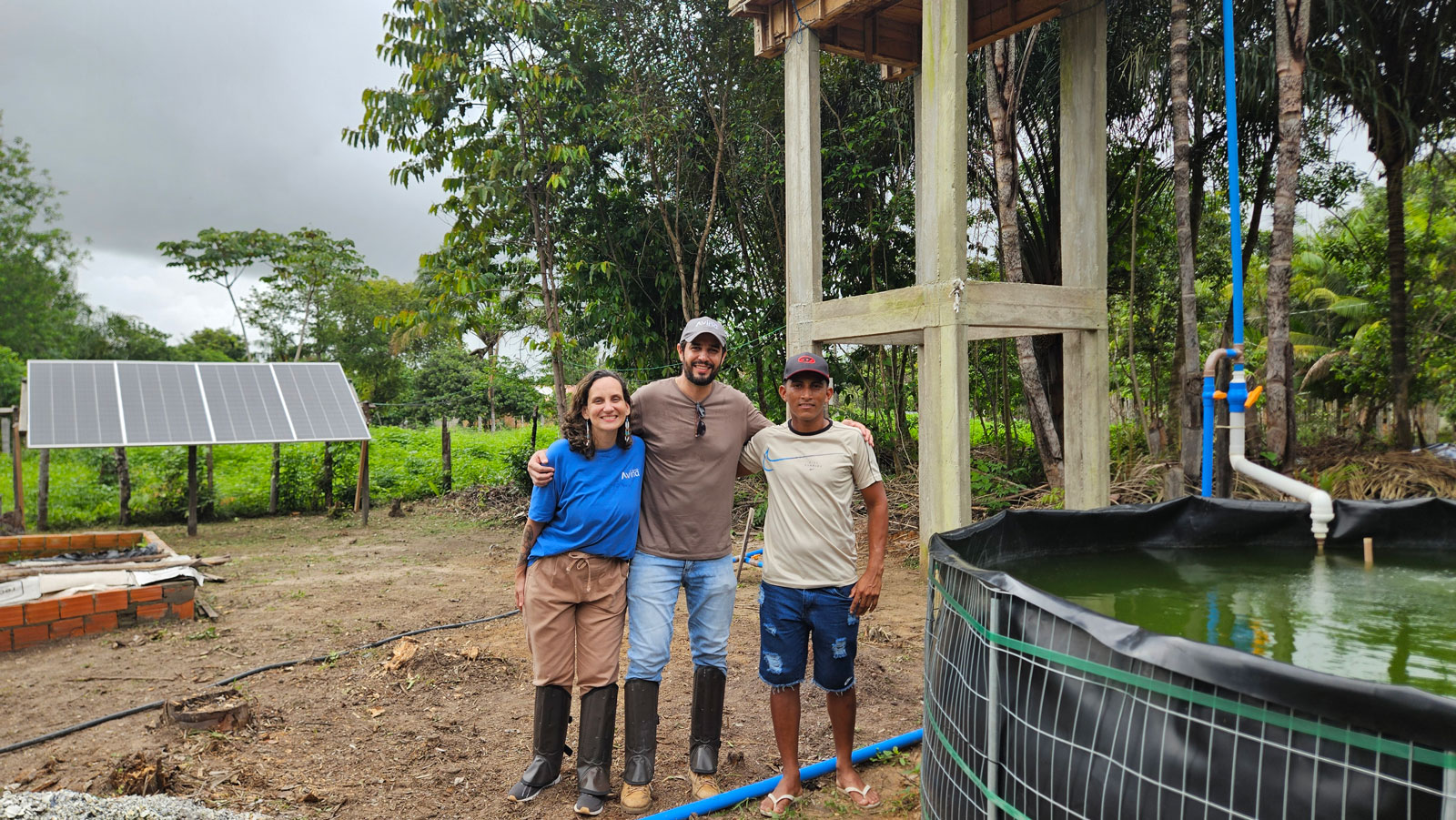
Soure
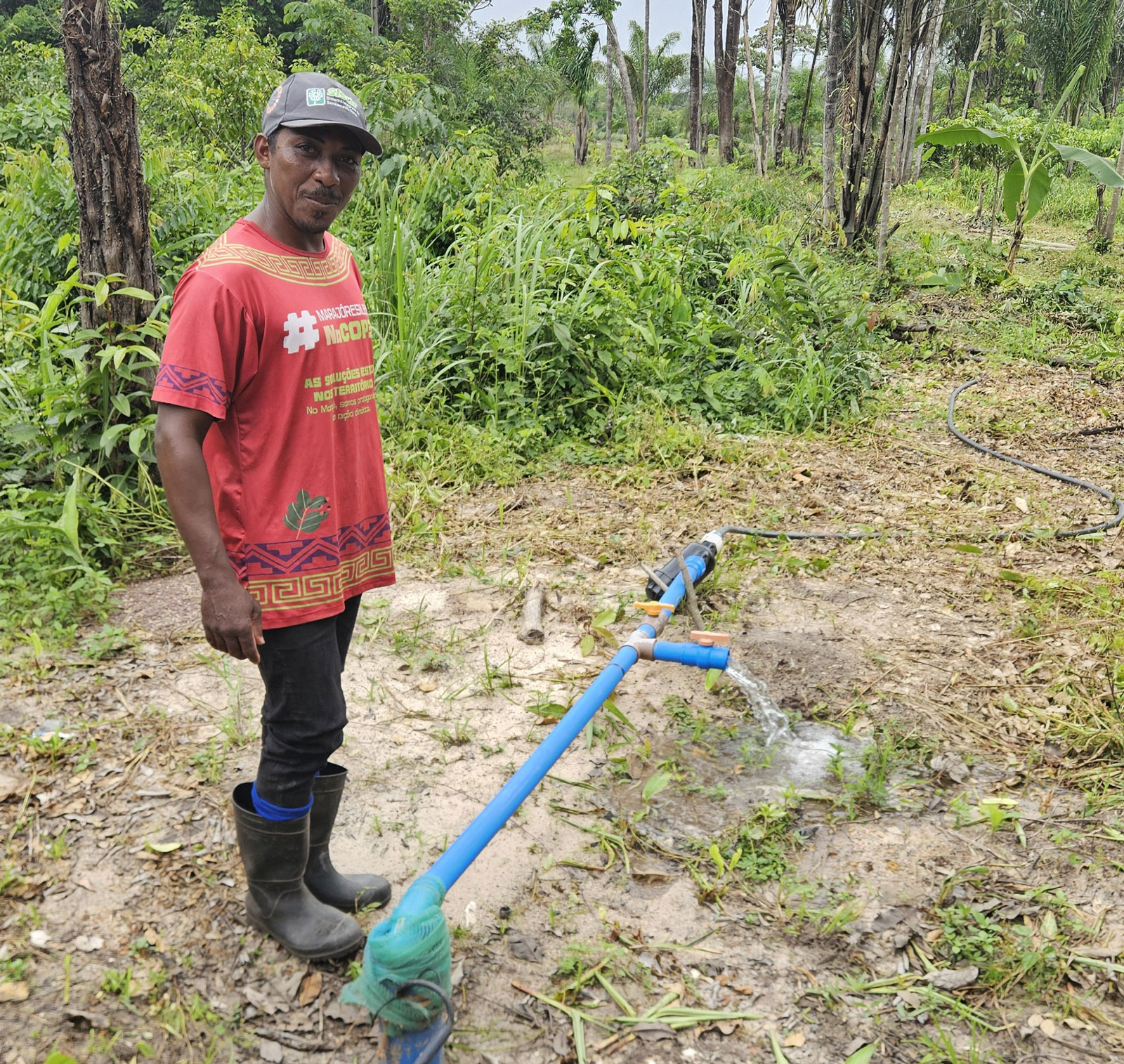
Salvaterra
Rainwater harvesting
In Cachoeira do Arari, the focus was on an integrated rainwater harvesting system, essential for ensuring water security during periods of low rainfall in the region.
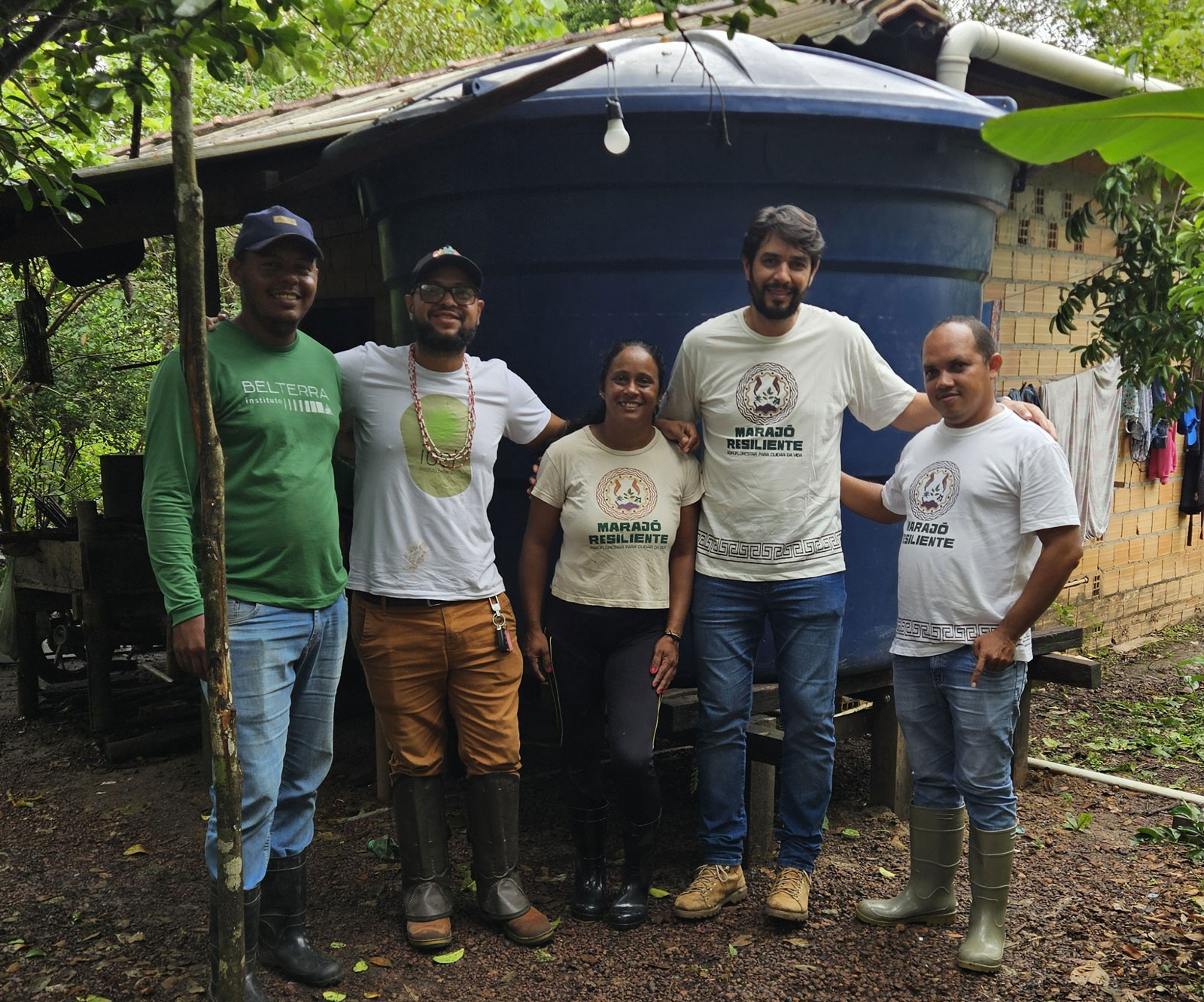
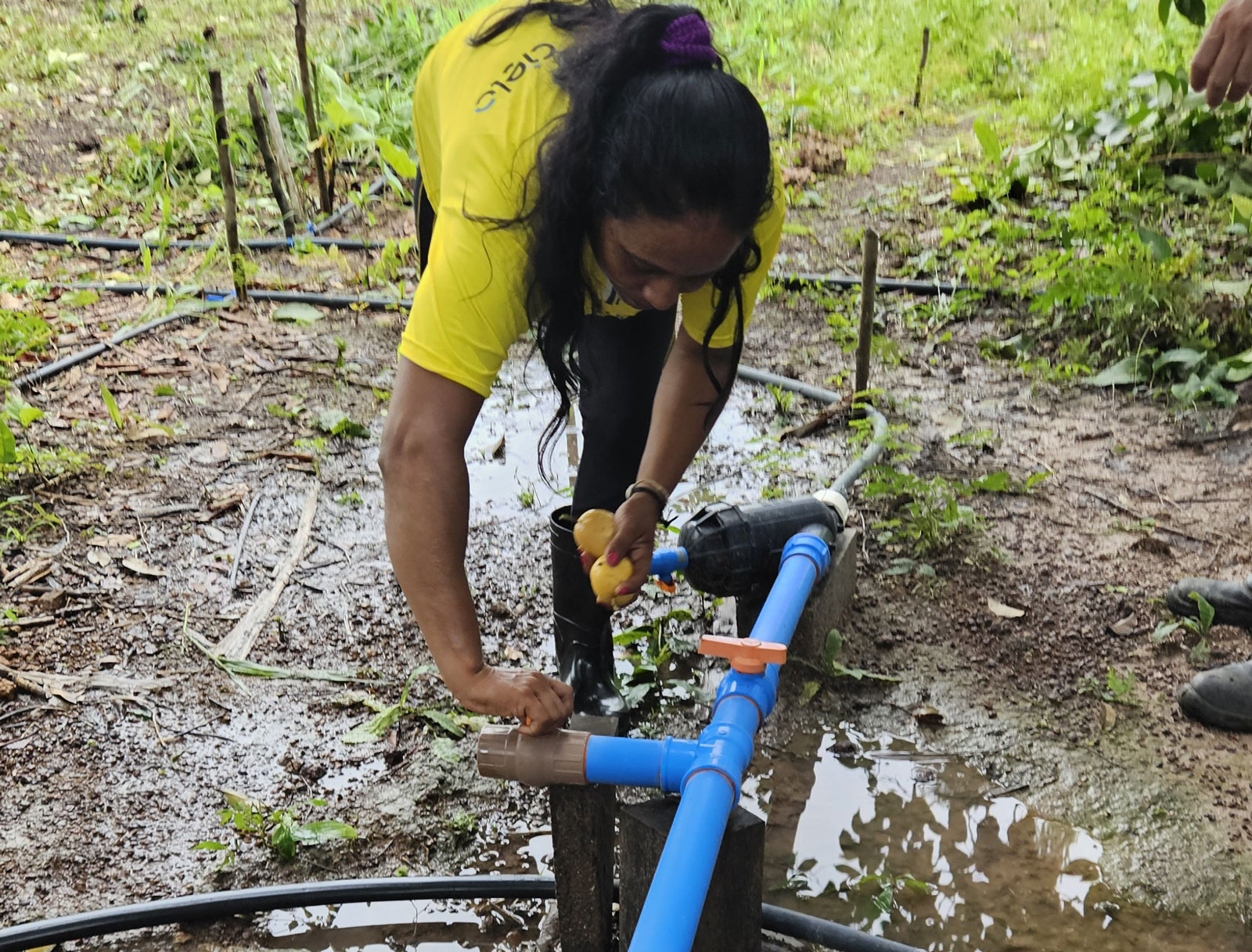
Cachoeira do Arari
In addition to technical visits to production units, the agenda included participation in the Ativacred Forum in Salvaterra, a key space for dialogue with multipliers and partners on access to credit and strengthening local value chains.
The vist also included the pilot micro water supply systems for drinking in the communities of Santa Rosa and Camaraú, in the municipality of Cachoeira do Arari, a region affected by the lack of potable water. In this context, the implementation of the projects aims to expand and ensure access to quality water for the families living there.
Águas de Marajó and Marajó Resilient are clear examples of how Fundación Avina works in a multiprogrammatic way, fostering dialogue among different programs (Water, Biomes, Climate, among others) and orchestrating an integrated response together with partner organizations and communities to address the climate and socioeconomic challenges already experienced in these territories.
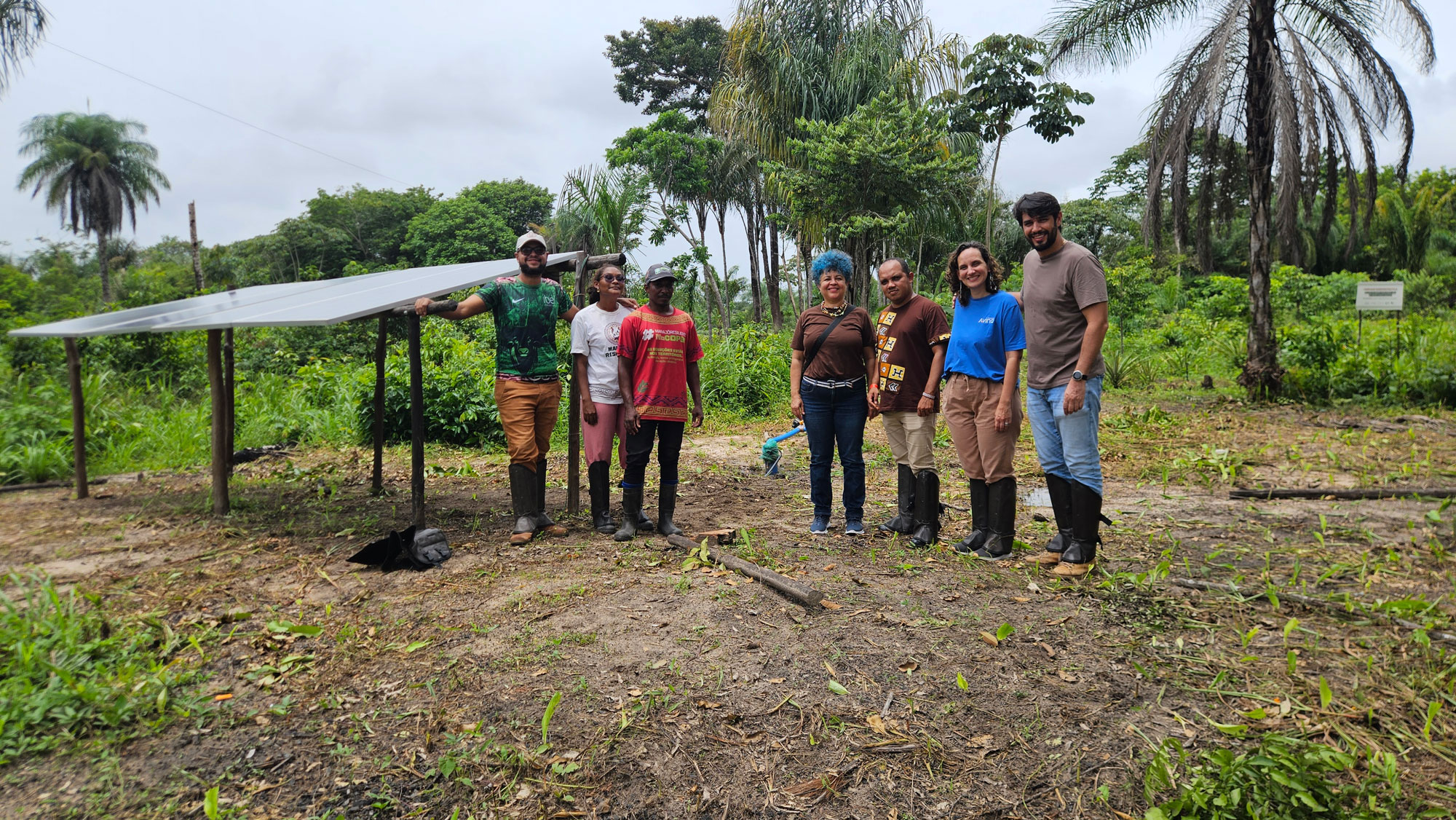
Salvaterra
About the project
The Águas de Marajó initiative is a partnership between Fundación Avina and the Coca-Cola Foundation, and had as partners Instituto Belterra, which implemented the water pilots for production, and the International Institute of Education of Brazil. This set of actions was created to complement the Marajó Resilient Project, which seeks local solutions to strengthen the climate resilience of farmers in the Marajó archipelago.