Labor justice for a world with dignity
Clothing factories in Bangladesh and Pakistan become safer for workers
Despite the implementation of the International Accord on Health and Safety in the Textile and Garment Industry in Bangladesh, signed by apparel companies in 2013, the industry continued to face serious structural workplace safety risks. In 2022, a total of 175 brands signed a new legally binding agreement committing them to ensure safe conditions through independent inspections, repairs financed by the brands themselves, and the severing of ties with factories that failed to meet minimum standards. The extension of this agreement to Pakistan opened a new front for action in another key country for the industry.
This progress was made possible thanks to the advocacy efforts of a group of civil society organizations, including the Maquila Solidarity Network, which also supports the implementation of the commitments set out in the Accord. Three years later, the results are visible in both countries.
Fundación Avina provided strategic financial support to the Maquila Solidarity Network to back its participation as a witness signatory to the Accord and to accompany the process of verifying the safety measures implemented in factories. This support helped strengthen social capital, build shared agendas, and consolidate a unifying vision among international organizations, brands, and social actors. Together, they formed a global front aimed at promoting safe and dignified working conditions in the garment industry.
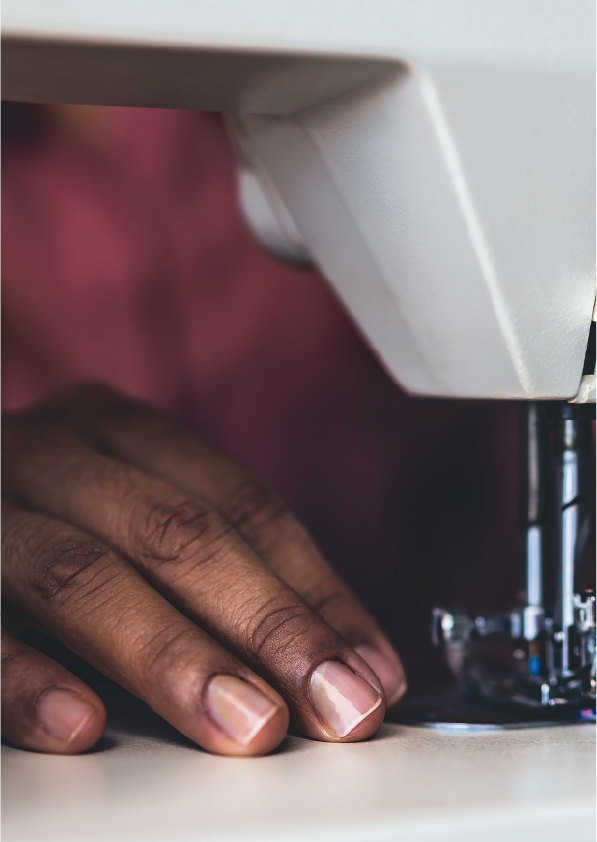
Thanks to the implementation of the Accord, more than two million workers—most of them women—now have safer working conditions and a mechanism for corporate accountability. As of 2025, the Accord has made it possible to correct more than 130,000 structural and safety hazards in approximately 1,600 factories, helping to transform one of the most dangerous industries in the world. More than 275 global brands have joined the Accord, setting a significant precedent for corporate responsibility in historically opaque supply chains.
The importance of these advances becomes even clearer when considering the global weight of both countries in the textile industry: Bangladesh is the world's second-largest garment exporter, with nearly 7% of the market, while Pakistan ranks ninth, with a 2.3% share.
The Accord has its origins in the tragedy of the Rana Plaza building collapse in 2013, which caused the deaths of more than 1,100 workers in Bangladesh and marked a turning point in global awareness of labor conditions in the sector. In response, efforts were made to establish a stronger legal framework based on independent inspections, repairs financed by brands, and sanctions for factories that failed to comply with safety requirements.
The Maquila Solidarity Network, together with the Clean Clothes Campaign (CCC), the Worker Rights Consortium (WRC), and the global garment workers' union IndustriALL, played a key role in the advocacy efforts that led many global brands to sign the Accord. This process is redefining the parameters of corporate responsibility in the twenty-first century: when a commitment to decent work in supply chains is taken on as a responsibility, new industry standards are established that regulate practices and save lives.