
30 Years of Promoting Collaborative Impact
Our History
Fundación Avina was created in 1994 by Swiss entrepreneur Stephan Schmidheiny to contribute to sustainable development. The Latin American organization Fundación Avina was established in 2001 with the mission of driving large-scale change for the region’s sustainable development.
In its early years, Fundación Avina focused on identifying, supporting, and developing leadership, building relationships with social and business leaders to strengthen their initiatives in favor of sustainable development, in a phase based on the donation of its own resources.
Later, a second phase emerged, based on the understanding that, to achieve systemic change, it was necessary to strengthen capacities through the articulation of leadership within networks and collective spaces with regional scope.
The learning generated and the expanded impact of these networks and alliances led to a third phase, centered on driving intersectoral collaborative processes. These processes began to incorporate partnerships aimed at promoting agendas of collective interest and required the organization’s own resources to be complemented by contributions from third parties committed to systemic transformation.
This approach allowed for an expansion in geographic reach. While remaining a Latin American organization, Fundación Avina embraced an identity linked to the Global South, with a presence and operations in African countries. Its initiatives are managed by a team of over 150 people across Latin America, the United States, Europe, and Africa.
Fundación Avina’s 30th anniversary in 2024 marked a phase of consolidation of collaborative processes and the beginning of a new stage under the concept of collaborative geopolitics. Since its origin, the foundation has viewed geopolitics as a strategy of convergence and collaboration — understanding the Latin American territory as a unit with its own identity, beyond the sum of its nationalities, and considering biological territory in terms of integrated biomes. Resources are also understood from the perspective of territories and their populations, building relationships with alliances that approach geopolitics from a collaborative logic.
This vision has made it possible to design new strategies and approaches aimed at accelerating processes and actions that reduce power asymmetries, fostering stronger and more inclusive transformations through collaboration.
Fundación Avina’s Governance:
from its creation to the present
With the purpose of promoting social and business leadership in sustainability and social inclusion, Swiss entrepreneur Stephan Schmidheiny founded Fundación Avina in 1994 and served as its president until 2002.
In 2003, he stepped away from Fundación Avina and, to ensure its continuity, established the VIVA Trust, a trust formed through the irrevocable donation of his shares in Grupo Nueva, representing all his productive investments in Latin America.
By law, the governance and administration of the trust are independent from its founder. Since 2003, Stephan Schmidheiny has had no direct involvement in VIVA Trust or Fundación Avina. This independent governance structure reflects his desire to leave a lasting legacy in Latin America that transcends his individual role.
Fundación Avina’s governance also required, in terms of organizational sustainability, reducing financial dependence on the trust through a strategy of funding source diversification. Today, VIVA Trust is one of many sources of funding for Fundación Avina.
Fundación Avina is proud to be part of Stephan Schmidheiny’s legacy — leader of the 1992 UN Earth Summit in Rio, globally respected advocate for corporate social responsibility, and generous donor to many of the most prominent organizations advancing sustainability in Latin America and around the world.
Legacies
At Fundación Avina, we say that the type of impact born from collaboration leads to changes that break the mold.
We like to say that Collaborative Impact, as we call it, has the power to alter the status quo so that a change can become truly systemic and irreversible.
We like to say it… but can we prove it? This simple question led us to develop the Legacies video series.
Communities of Impact
We are proud of the communities of impact formed around the collaborative processes we have promoted over the past 30 years.
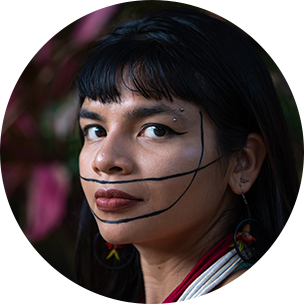
It’s very good to know we’re not alone in this fight. It’s very good to know there are people we can count on.
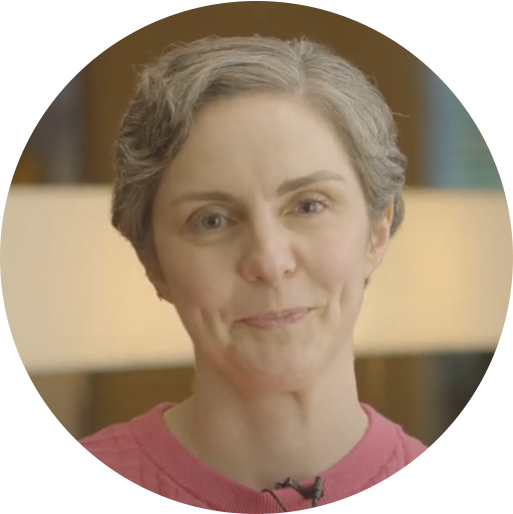
It’s not just by chance that an organization has been around this long. Keep up the good work, keep forging new paths. Keep leaning into difficult issues and asking yourselves the hard questions.
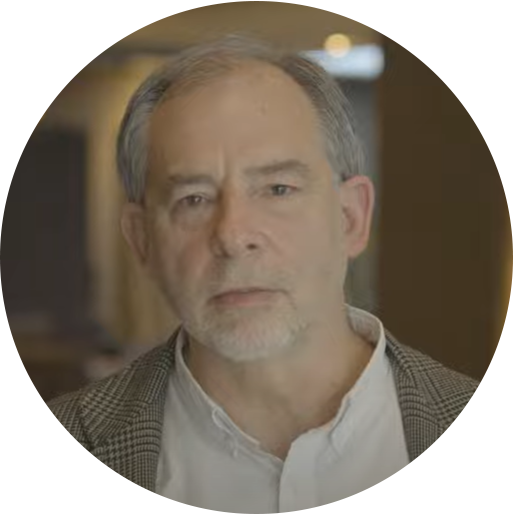
We have challenges in Latin America, challenges that require us to use our strength, use our skills, and reclaim a better future. And Fundación Avina is an ally and a partner on this journey.
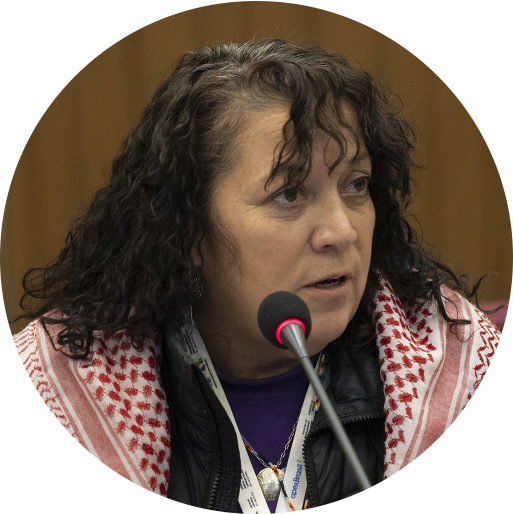
I’ve spent the last 20 years building things with Fundación Avina, and my anniversary wish for them is that they keep believing in shifting the paradigm for another 30 years. May they keep believing that transforming reality is possible.
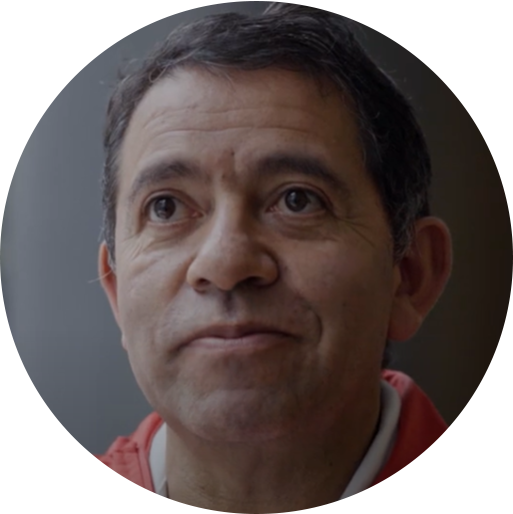
Fundación Avina has been with us in the good times and the not-so-good times. We’ve been together through it all. Our relationship has been built on respect and commitment.
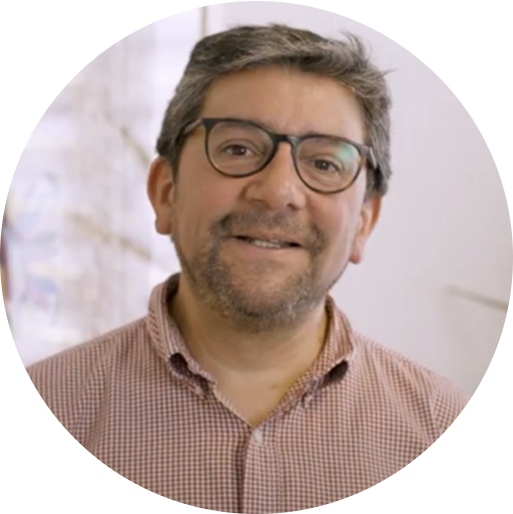
Foundations like Avina provide important support in building the necessary trust for designing new regulatory frameworks.
The Future
At Fundación Avina, we work to build a future where cooperation, civic diplomacy, and care for common goods are the foundation for global coexistence. What would the world look like in 30 years if Avina’s vision of systemic transformation were to become reality?



