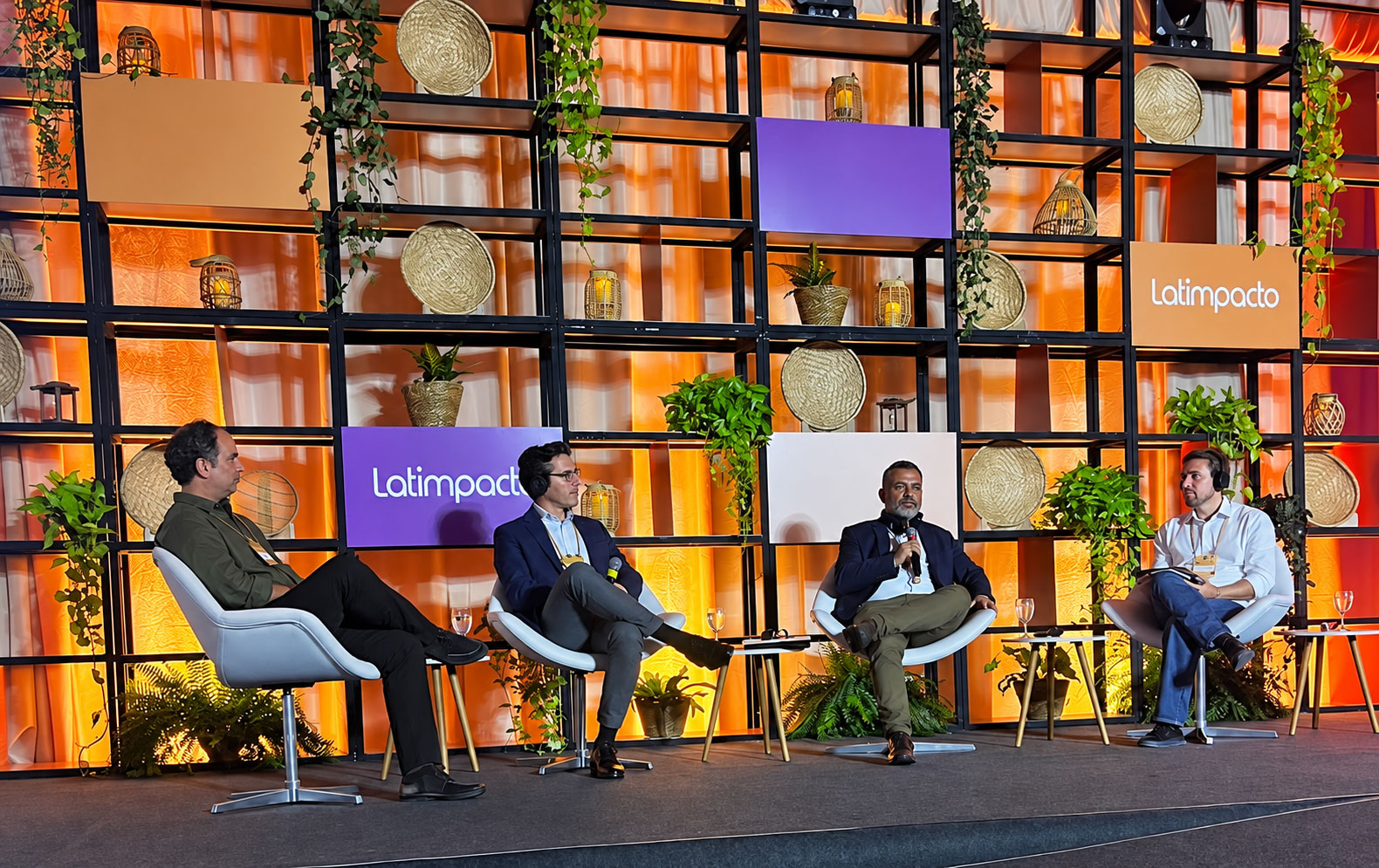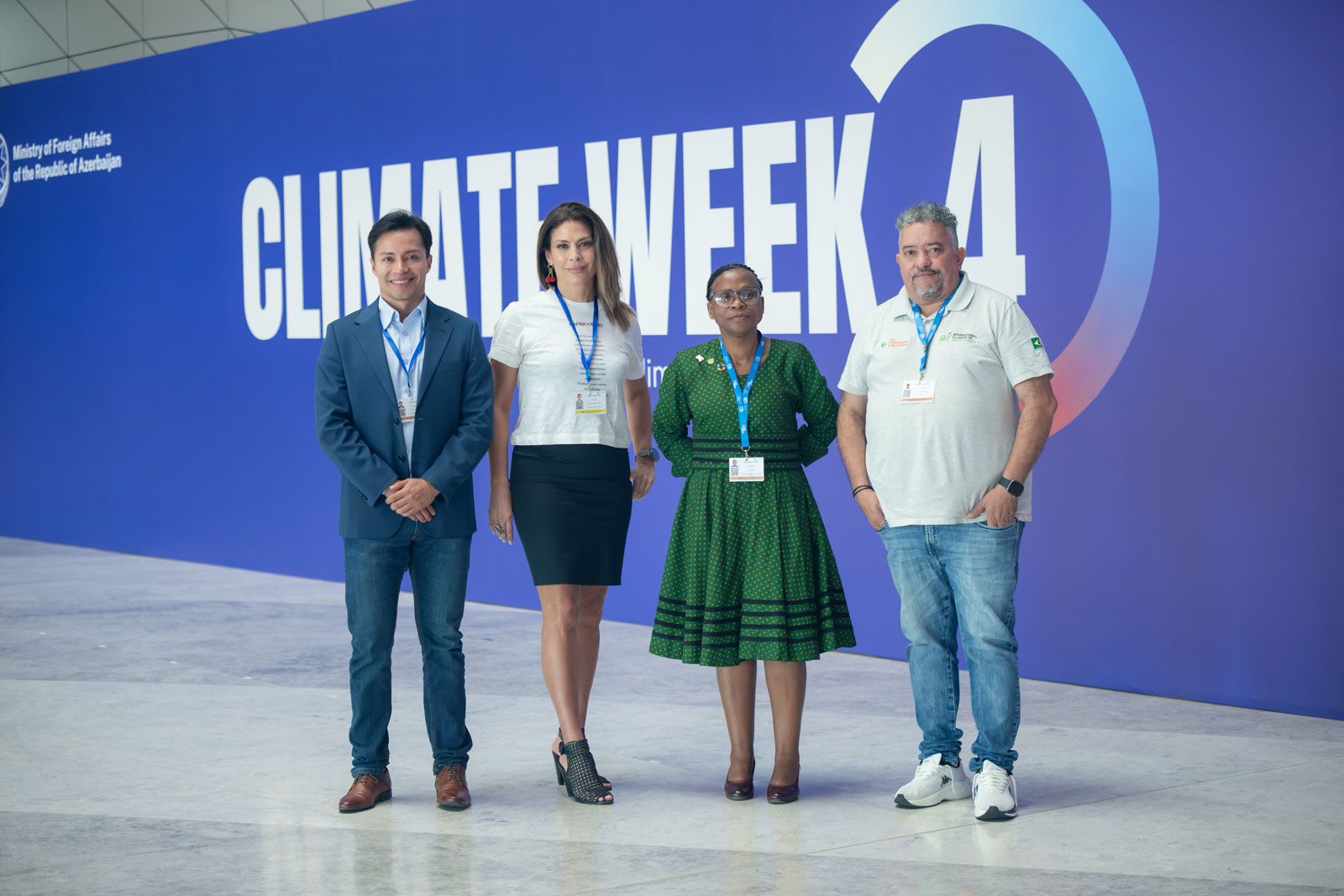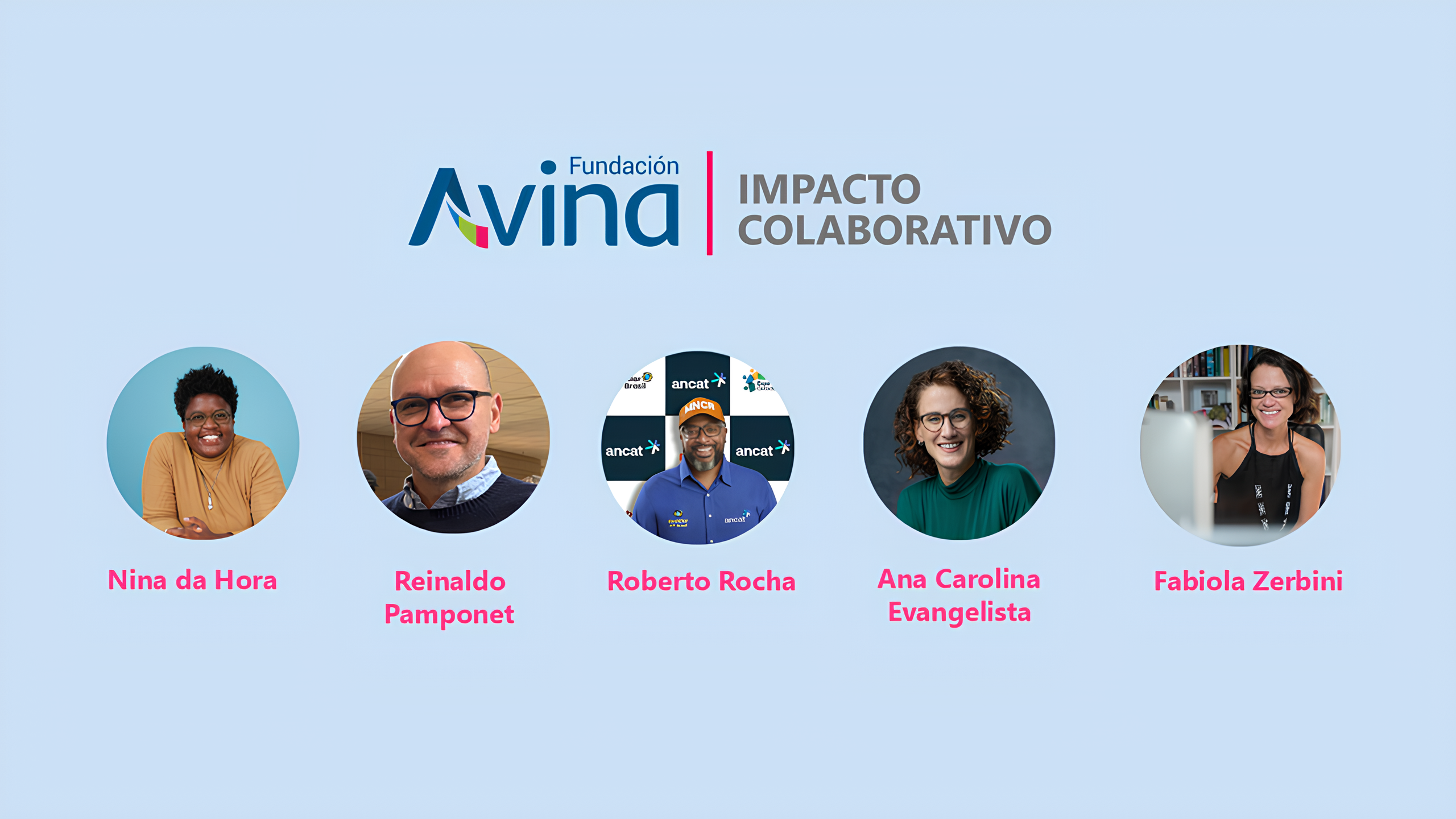
Fundación Avina now has an Advisory Board in Brazil, strengthening its strategic presence in the country and expanding its ability to act in partnership with different sectors. Prominent leaders are part of the Board: Fabiola Zerbini (Conexsus), Reinaldo Pamponet (Itsnoon), Roberto Rocha (National Movement of Recyclable Materials Collectors), Nina Da Hora (Instituto Da Hora), and Ana Carolina Evangelista (ISER). The group will work in dialogue with Avina’s team in Brazil, supporting strategic guidelines that guide the organization’s work at the national level.
With continental dimensions, Brazil plays a central role in Avina’s strategy in Latin America, where the organization has been active for more than two decades. The country faces complex challenges but also presents opportunities to build pathways for multisector collaboration. It is within these spaces that Fundación Avina operates, building on trust and collaboration to create alliances that generate lasting impact and deep transformations in favor of human dignity and care for the planet.
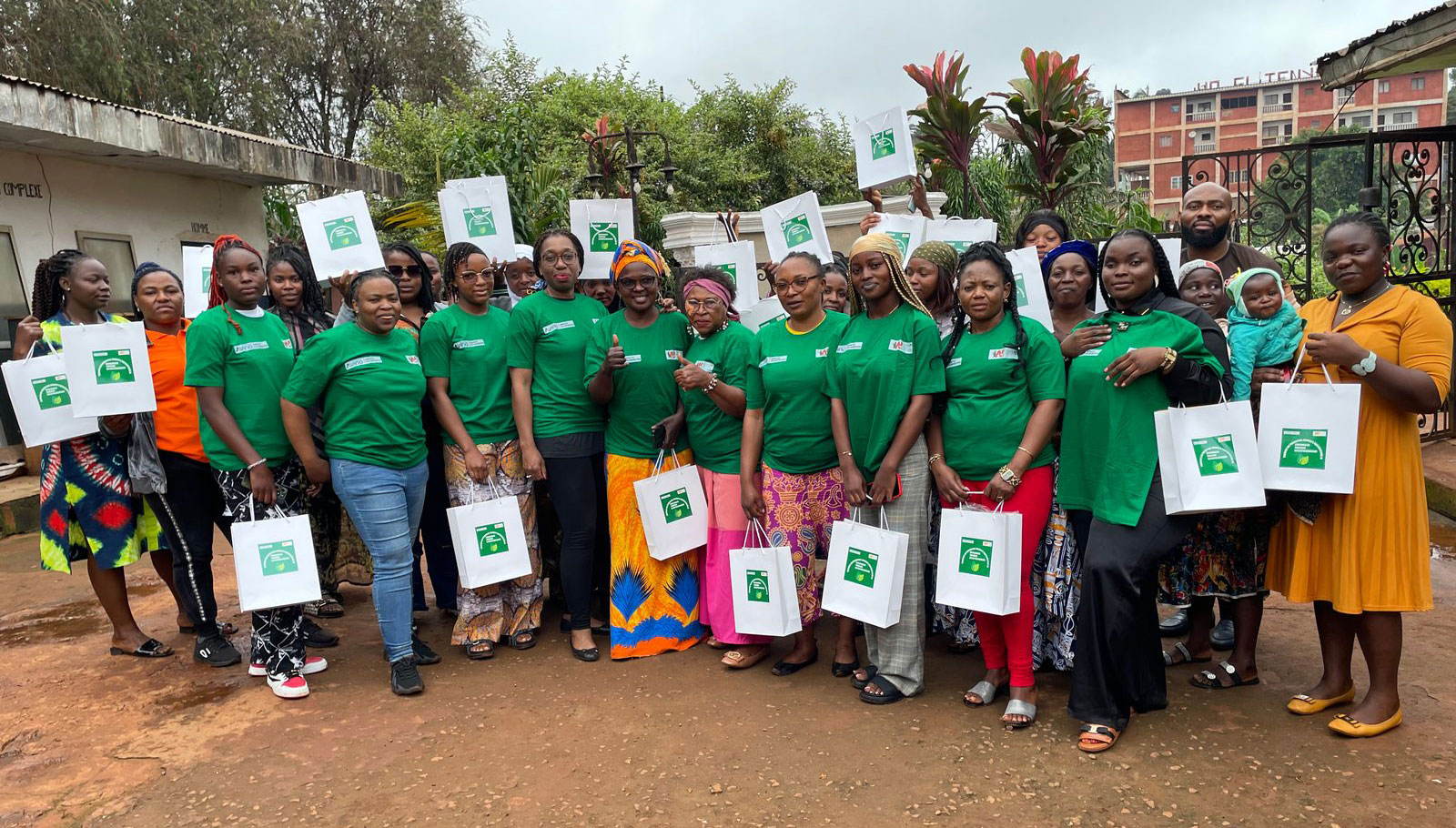
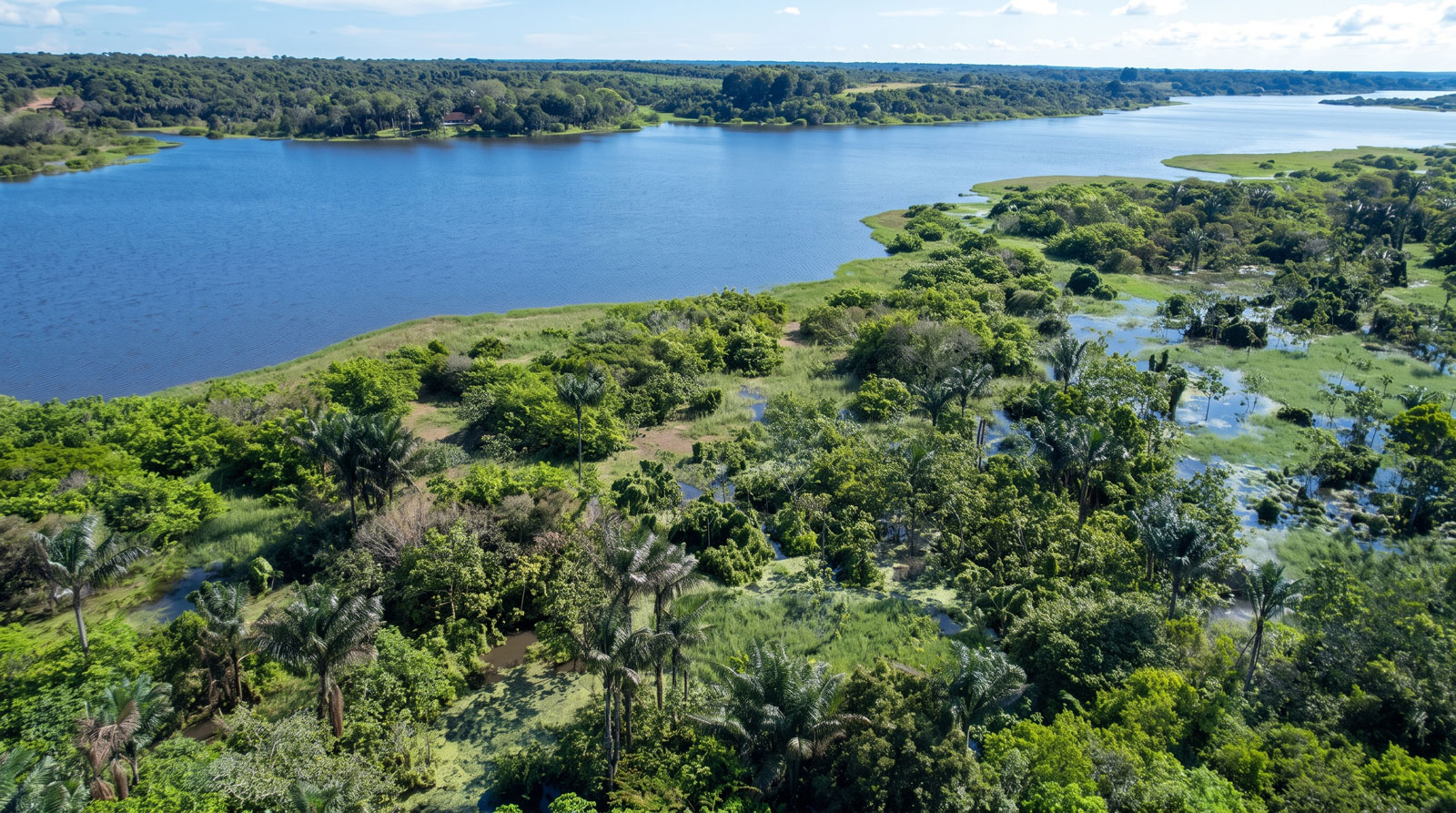
In 2024, Fundación Avina made social investments in Brazil that strengthened allies across the organization’s six programs. During the same year, significant impacts were achieved together with local partners, such as the implementation of innovative community water management models, the development of methodologies that recognize the value of inclusive recycling for a climate-resilient economy, as well as progress in public policies aimed at environmental protection and the creation of circular, regenerative, and inclusive systems for the Amazon region.
Meet the members of Fundación Avina’s Advisory Council in Brazil:
Ana Carolina Evangelista
Political scientist with master’s degrees in international relations from PUC-SP and in public management from FGV-SP. She was a visiting researcher at SciencesPo in Paris (France). Currently, she is a PhD candidate at the Center for Research and Documentation of Contemporary History of Brazil (FGV-RJ/CPDOC) and a researcher at ISER – Institute of Religious Studies – in Rio de Janeiro (Brazil), where she also serves as executive director. Her research focuses on the Brazilian political system, elections, and the role of religious groups in politics.
Reinaldo Pamponet
A Brazilian entrepreneur in the technology sector and strategist in digital innovation, with previous experience at Microsoft, where he led corporate solutions during the early stages of internet infrastructure in the country. Founder of Eletrocooperativa, ItsNoon, and NoonApp—pioneering platforms that combine technology, creativity, and social inclusion with digital monetization. Recognized as a leading figure in Brazil’s digital transformation, he is known for his work with collaborative economy models, open innovation, and inclusive digital ecosystems that expand access to income and creative opportunities through technology. His initiatives have also been implemented in New Zealand, the United States, and South Africa. His most recent project, Nossa IA, is a platform aimed at building an Artificial Intelligence model focused on regenerating Brazil’s social and civic capital.
Fabiola Zerbini
Executive Director of Conexsus – Institute for Sustainable Connections. A lawyer with a PhD in Environmental Science and Policy from PROCAM/USP, she has over 20 years of experience in public policy, forests, land use, and sustainable development. Between 2023 and 2025, she served as Director of the Department of Forests at Brazil’s Ministry of the Environment and Climate Change. Previously, she held leadership roles at organizations such as WRI Brazil (Director of Forests, Land Use, and Agriculture), Tropical Forest Alliance (Latin America Director), and FSC Brazil (Executive Director), with a strong focus on zero-deforestation agendas and sustainable supply chains. Her career began in solidarity economy and fair trade initiatives in organizations such as FACES do Brasil and Instituto Kairós.
Nina Da Hora
Computer scientist and researcher in algorithmic justice and critical artificial intelligence, with a focus on Southern epistemologies. She holds a degree in Computer Science from PUC-Rio, a master’s in Computing from the Institute of Computing at UNICAMP, and is currently pursuing a second master’s degree in Science and Technology Policy (DPCT) at the same university. She is the founder of Instituto Da Hora, where she develops training and research projects on technology, ancestry, and digital ethics. A Ford Foundation fellow (2023–2025), she is also the author of the book MyNews Explica: Algoritmos (2023).
Roberto Rocha
Roberto Rocha has been a recyclable materials collector for over 30 years and is the president of Ancat – National Association of Recyclable Materials Collectors. He contributed to the creation of key public policies, such as the National Solid Waste Policy, participated in President Lula’s transition team on waste management and socioeconomic inclusion, and is a member of the Conselhão (CDESS). He is a national reference in defending the sector and promoting reverse logistics and the circular economy in Brazil.