A reflection from the Impulsouth initiative, offering lessons and raising new questions for the Global South
In October, ministers, companies, international organizations, academia, and other stakeholders will gather in Santo Domingo for the XI Energy Week of Latin America and the Caribbean. The agenda reflects the scale of the decisions and challenges facing the region: energy security, financing, integration, new technologies, planning, capacity building, gender, and energy poverty, among other issues.
Amid these discussions lies a question that seems simple, but is not: what makes an energy transition just? The answer appears to go far beyond the technologies we choose.
Talking about a just energy transition may suggest a shared agenda capable of transforming energy systems without reproducing or deepening inequalities. But this common framing can conceal a far more diverse reality. When the transition reaches local contexts, what needs to become more just varies considerably from one territory to another.
When access is not enough

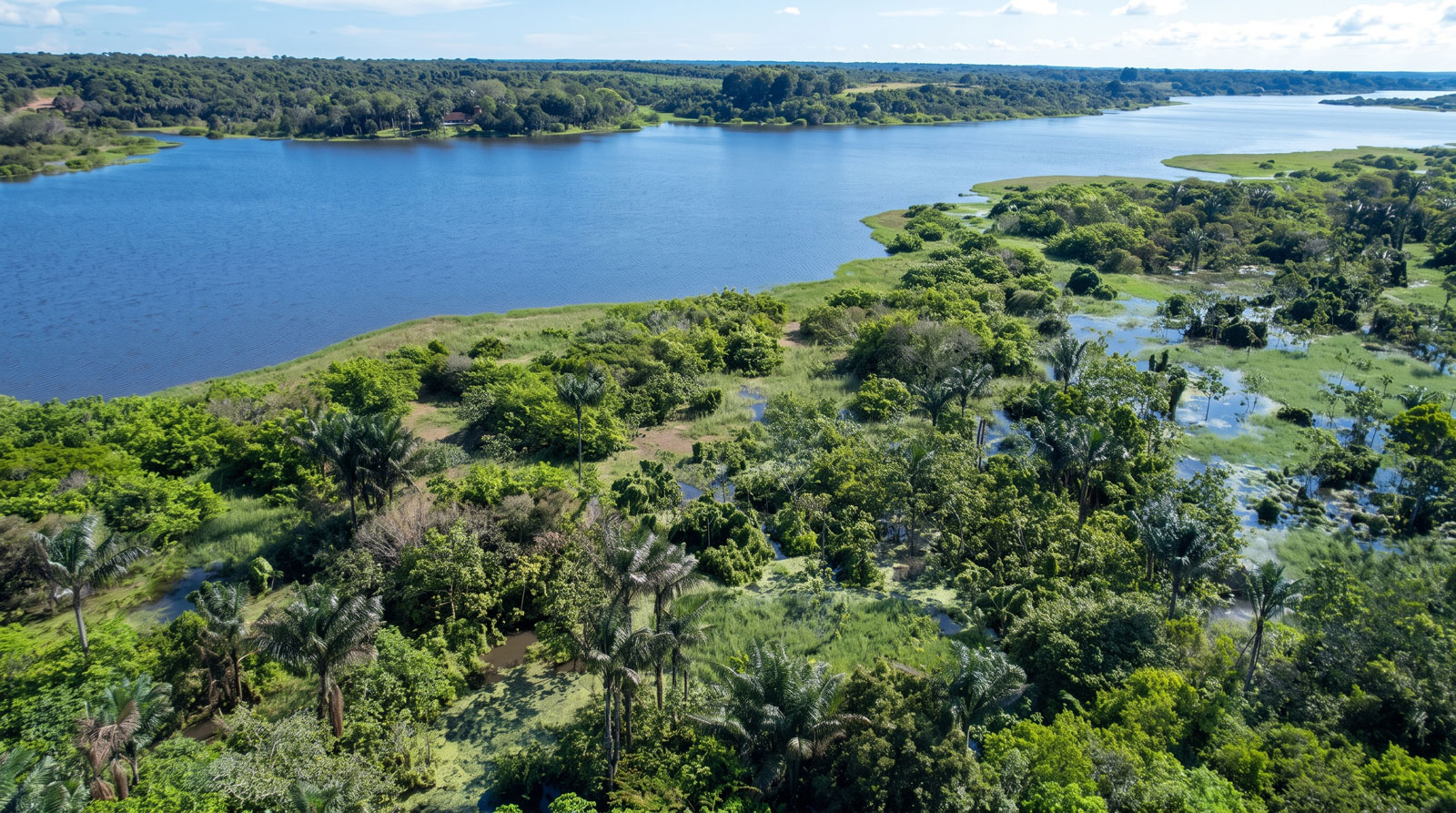
The Ecuadorian Amazon offers a good example. In the Achuar community of Wayusentza, in Pastaza, technologies such as solar lamps and panels are already part of the landscape. Yet access remains limited and unequal: few households have solar kits, digital devices are scarce, and internet access is limited and largely controlled by men. These conditions particularly affect women’s opportunities to access information, education, and productive activities.
The initiative developed by the NGO ASOCLIMA worked with women in the community on the use and maintenance of solar systems, digital tools, and community leadership, combining hands-on learning with adaptations to geographic isolation, connectivity constraints, and the community’s cultural characteristics. The experience raises an important question: what happens when access arrives, but inequalities remain?
Renewable energy technology can reach a territory and represent progress, but its arrival does not guarantee that everyone has the same capacities to use it, make decisions about it, or benefit from the changes it brings. The transition can close one gap while, at the same time, making others more visible.
What does it take to design “justice”?

But questions of justice go beyond access to or use of a technology. Who participates in its design also matters. In Ecuador, WasiLab at the Pontifical Catholic University of Ecuador (PUCE) built on gaps identified by the university itself through a diagnostic process involving more than 1,100 stakeholders linked to implementation of the National Climate Change Mitigation Plan (known in Spanish as PLANMICC 2025–2070). One of those gaps was the capacity to turn priorities and ideas into projects structured well enough to move toward potential sources of financing.
Building on that diagnostic, a training and mentoring process was designed that produced concept notes, pitches, and other project-development tools. But it also went beyond technical project formulation: participants revisited assumptions and incorporated social, cultural, and gender dimensions into the way their projects were framed.
This opens another dimension of justice. It is not only a matter of asking who receives the benefits of the transition. Who participates in decision-making also matters, as do the perspectives and realities that are incorporated into what is being designed.
An energy project can be technically sound and financially attractive and still fail to recognize how its benefits, costs, or opportunities may be distributed unequally. Building a just transition therefore requires technical capacities, but also the ability to recognize the social, territorial, and gender dimensions of what is being designed.
This concern is closely connected to the conversations the region will have in Santo Domingo. The Energy Week agenda itself recognizes that planning the transition requires institutional capacities, investment coordination, and coordination among stakeholders, while other sessions will focus specifically on capacity building, gender, and just transition.
Understanding energy to make decisions at home

At the household level, these questions become much more immediate, reaching into people’s ability to understand and make decisions about the energy they use. In Cochabamba, Bolivia, an initiative by the Bolivian Center for Renewable Energy (CBER) worked with women on household electricity, energy efficiency, and basic knowledge of photovoltaic systems. Its starting point was an inequality reflected in the experiences of many women: through school, professional settings, and eventually the home, many women had far less access than men to knowledge and tasks historically considered masculine.
After the training, participants reported greater confidence in using tools, identifying risks, carrying out basic repairs or replacements, and better understanding energy efficiency through their everyday household consumption.
At first glance, learning to use a tool or understand a household’s electricity consumption may seem small compared with major decisions about the energy mix, infrastructure, or investment. But it raises a fundamental question: if technologies, energy sources, and patterns of energy consumption are changing, who has the knowledge needed to understand what that change means inside their own home?
Understanding energy expands the capacity to assess options, ask questions, recognize risks, and make decisions. Yet having the capacity to decide does not necessarily mean having the power to do so: income, prices, household relationships, and the options available in the market also shape those choices. This is why questions of energy justice also play out within the home.
Building the connections that sustain change
But there is still something else to consider. Knowing how to use a technology, formulate a project, or develop a skill does not, on its own, guarantee that these capacities can be put into practice.
This is where connections between different actors become important. Women-led community savings groups can help address the upfront costs of accessing new technologies. Community authorities can provide legitimacy and facilitate processes within a territory. Companies and professionals can connect training with mentorship and employment opportunities. Universities and educational institutions can link project formulation with specialized knowledge and potential sources of financing.
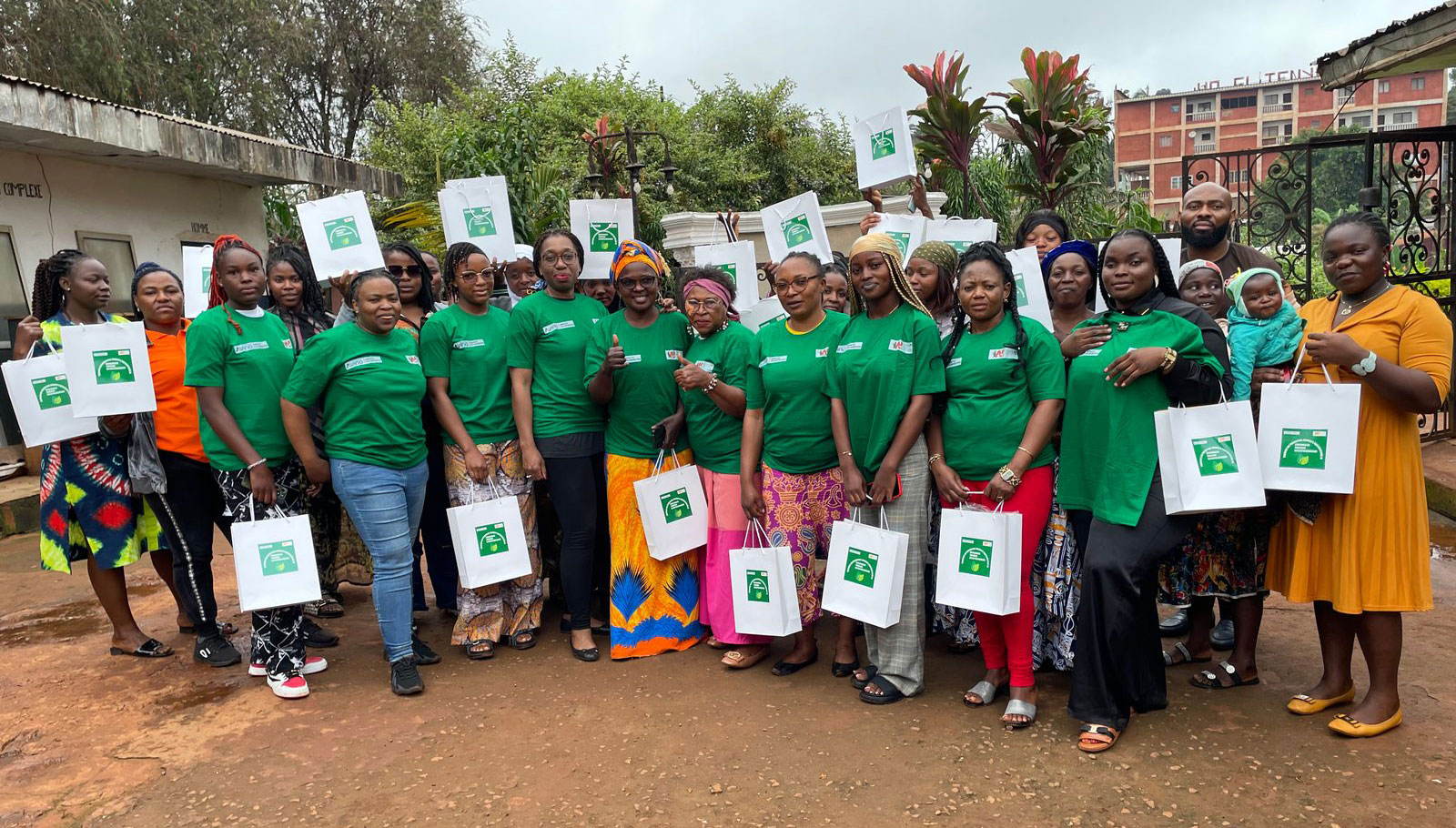
In Cameroon, an initiative led by Women for Sustainable Energy and Climate Action (W4SECA) shows what this can look like in practice. Twenty-five women—including entrepreneurs, farmers, teachers, students, women with disabilities, and women internally displaced by the conflict in the Anglophone regions—participated in training on renewable energy and entrepreneurship. Making the training possible required coordination with the municipality, off-grid electrification professionals, an innovation hub, and energy-sector specialists. The training was delivered in French and English, participants spontaneously translated into local languages, and a child-friendly environment enabled mothers to attend with their babies.
A just energy transition depends not only on the technologies we choose or on who receives their benefits. Access, design, capacities, decision-making power, and connections are also dimensions of the same question of justice. But none of this happens in isolation. Different actors need to connect with one another and with the resources, knowledge, and financing that can help turn capacities and ideas into action.
Questions to keep asking as the transition unfolds
This leads to two questions worth asking as the region engages in its major energy discussions: Who has the capacity to build the transition as a just transition? And who do they need to connect with to make that possible?
The experiences show that there is no single answer. In some contexts, the first question of justice is still much more basic: gaining access to energy where it is unavailable or insufficient. In others, access may exist while inequalities persist in people’s capacity to use technology, participate in decisions, or take advantage of the opportunities it creates. Diversity, then, lies not only in the solutions. It also lies in what needs to be just in each context and where that inequality appears.
That is why the question of justice should not arise only at the end, once a technology has been chosen, an investment approved, or a project designed. It is a question we need to keep asking from the outset and throughout the transition: who can participate in shaping it, who can make decisions, and which inequalities might be reproduced along the way?
As Latin America and the Caribbean discuss how to finance, plan, and accelerate their energy future, this perspective can help broaden the conversation: not only what transition we want, but what we need to pay attention to as we build a just one.
This reflection draws on experiences from 19 Learning & Innovation Grants supported through Impulsouth, an initiative of Fundación Avina and the United Nations University (UNU), with support from the International Development Research Centre (IDRC). These projects took place in diverse contexts across Africa and Latin America, spanning technical training and entrepreneurship, project development, research, and community-based energy management.
Several of these experiences are also featured in a storytelling guide on just energy transitions in the Global South. The guide brings together 13 stories from Africa and Latin America and offers practical tools for telling stories of change through a more human lens. Because behind conversations that can often seem technical or distant are questions of justice that touch everyday life much more directly, from what happens within a community or the opportunities people can access, to decisions made inside the home.