On March 16, Fundación Avina, together with several partner organizations, hosted a special event during the 70th CSW at the United Nations headquarters in New York. Titled “Care and Climate: How Care Systems Shape Access to Justice in a Just Transition”, the event brought together a distinguished group of women from different countries, who discussed, based on their experiences, the nexus between climate and care. “Climate change is increasing pressure on care systems,” emphasized María Noel Estrada from UNRISD at the opening of the session.
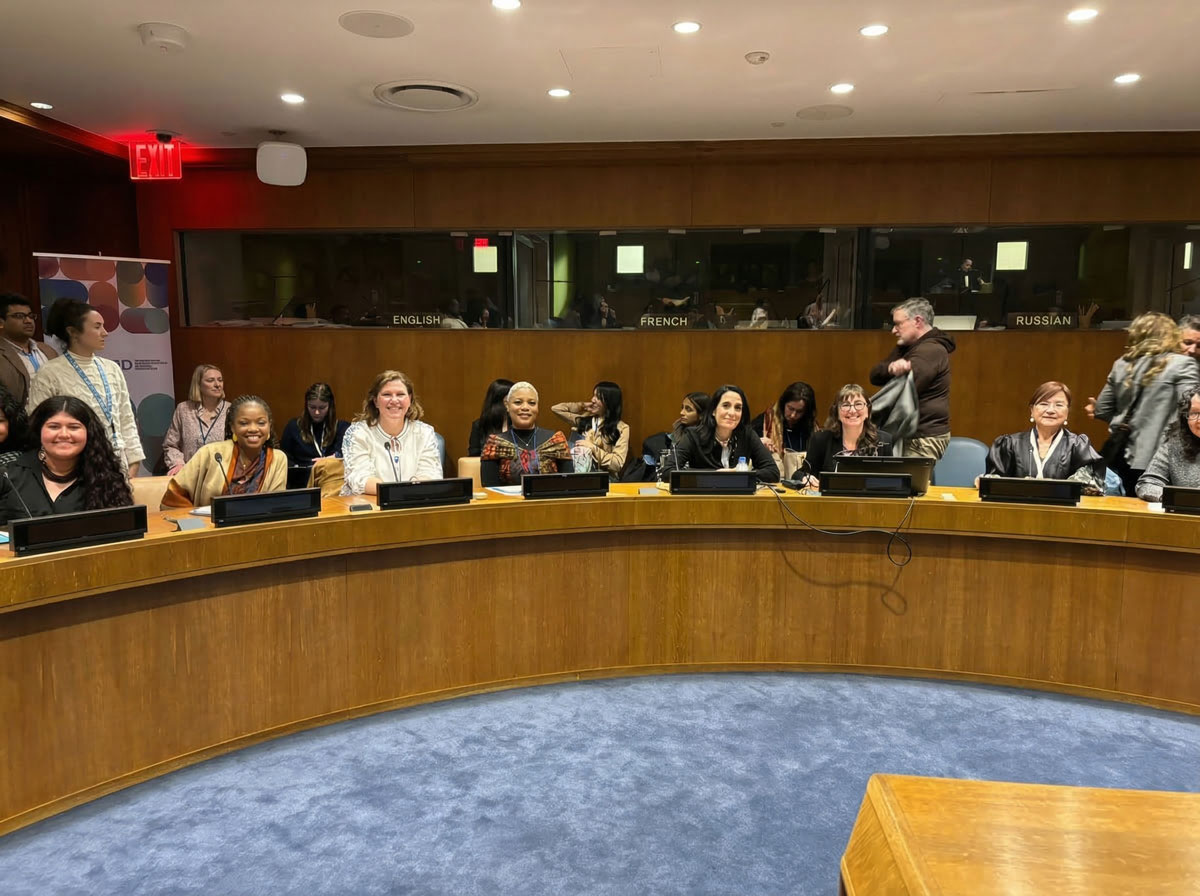
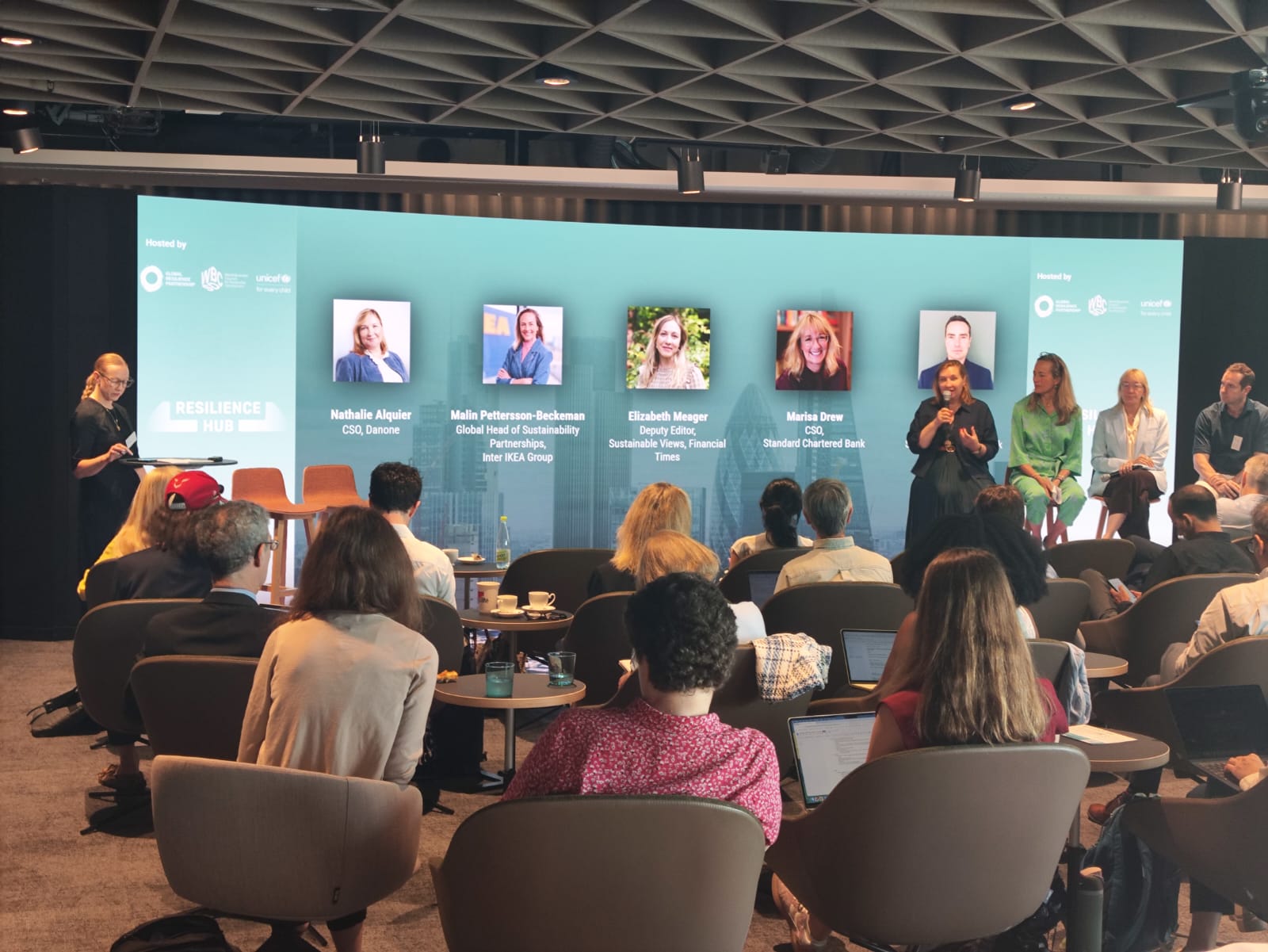
Panel during CSW70, at United Nations Headquarters.
Climate, gender, and the invisible burden of care
The discussion was grounded in the understanding that climate change is not gender-neutral. It intensifies unpaid care work, disrupts livelihoods, and deepens inequalities, especially for women and marginalized communities in the Global South. “It is within care systems that girls often experience gender inequality for the first time,” added Ermelita Valdeavilla from the Philippine Commission on Women.
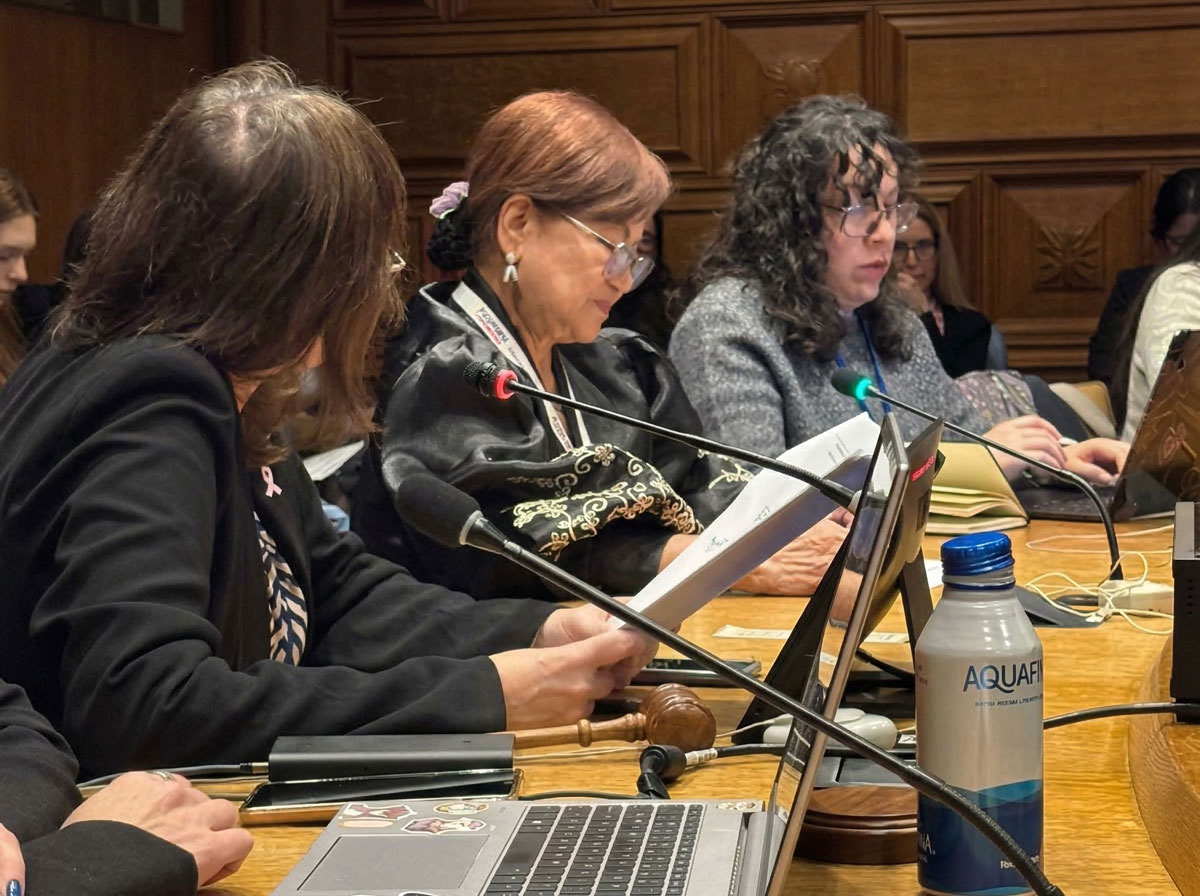
Ermelita Valdeavilla, from the Philippine Commission on Women, shares contributions.
At the same time, care systems are essential social infrastructure for climate resilience: they enable recovery, sustain life, and support adaptation. Geraldine Gachuz Martínez, Director of International Women’s Affairs at UN Women and Mexico’s Ministry of Foreign Affairs, highlighted that care is a public good, a strategic investment, and a collective responsibility.
Despite this, care remains largely invisible in climate policy frameworks and financing mechanisms. In this context, one of the key experiences shared was that of Xiomara Acevedo from Barranquilla+20. She noted that Colombia has a national health system and a climate target (NDC) to reduce emissions by 51%, yet climate adaptation and care burdens remain unlinked. “The legal framework exists; care policies exist; women doing the work, they exist. What does not exist is the architecture that connects climate change and care, two dimensions of the same crisis.”
Experiences and pathways to climate justice
This invisibility has profound implications. When care systems collapse under climate stress, those most affected face barriers to exercising their rights, accessing remedies, and participating in decision-making processes. Malkia John, Executive Director of Sauti Salama, shared experiences from communities in Kenya: “Climate shocks immediately transform daily care work. During droughts, the tasks required to secure water and fuel demand more time and effort. Girls and women travel longer distances to fetch water from increasingly distant sources and to collect firewood. We also see an increase in climate-related illnesses, which intensifies caregiving within households. Additionally, displacement disrupts community support systems,” she explained.
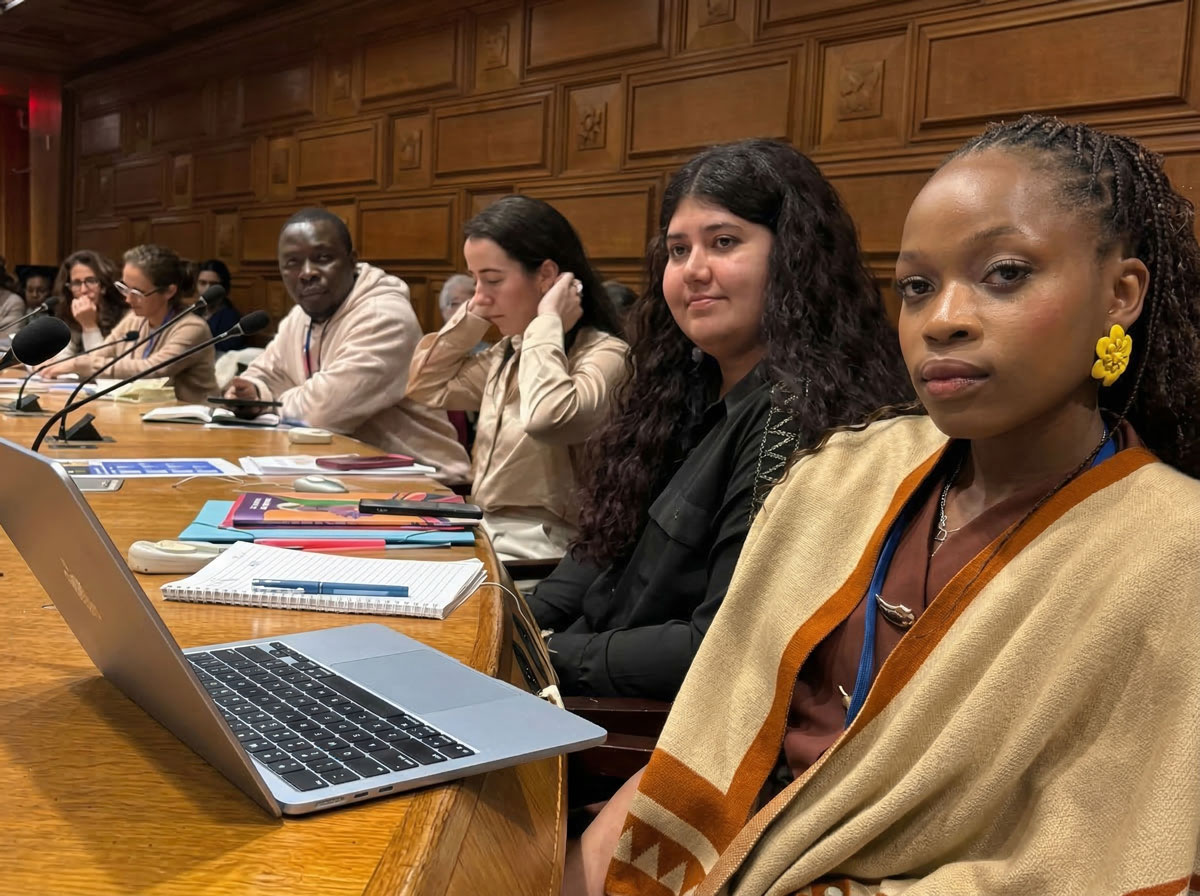
In the foreground, Malkia John, from Sauti Salama, followed by Xiomara Acevedo, from Barranquilla+20, on the panel during CSW70.
Preliminary research in these communities shows that unpaid care work increases by 40%, reducing the time women and girls can dedicate to education. “Many girls are dropping out of school, and this also affects women’s income, mobility, and safety,” she added.
Sauti Salama and Barranquilla+20 are two organizations supported by the Climate and Care Initiative, led by Fundación Avina, UNRISD, Oxfam Canada, EIDAES UNSAM, and Wits University, in collaboration with the Global Alliance for Care and funded by Canada’s International Development Research Centre (IDRC).
Agnieszka Raczynska from Fundación Avina explained that the Climate and Care Initiative was created to learn from creative, community-driven solutions emerging across the Global South through collaboration and knowledge exchange.
“Our goal is to demonstrate that care is critical social infrastructure: it sustains life, supports recovery, strengthens resilience, and enables adaptation in the face of climate change,” she noted.
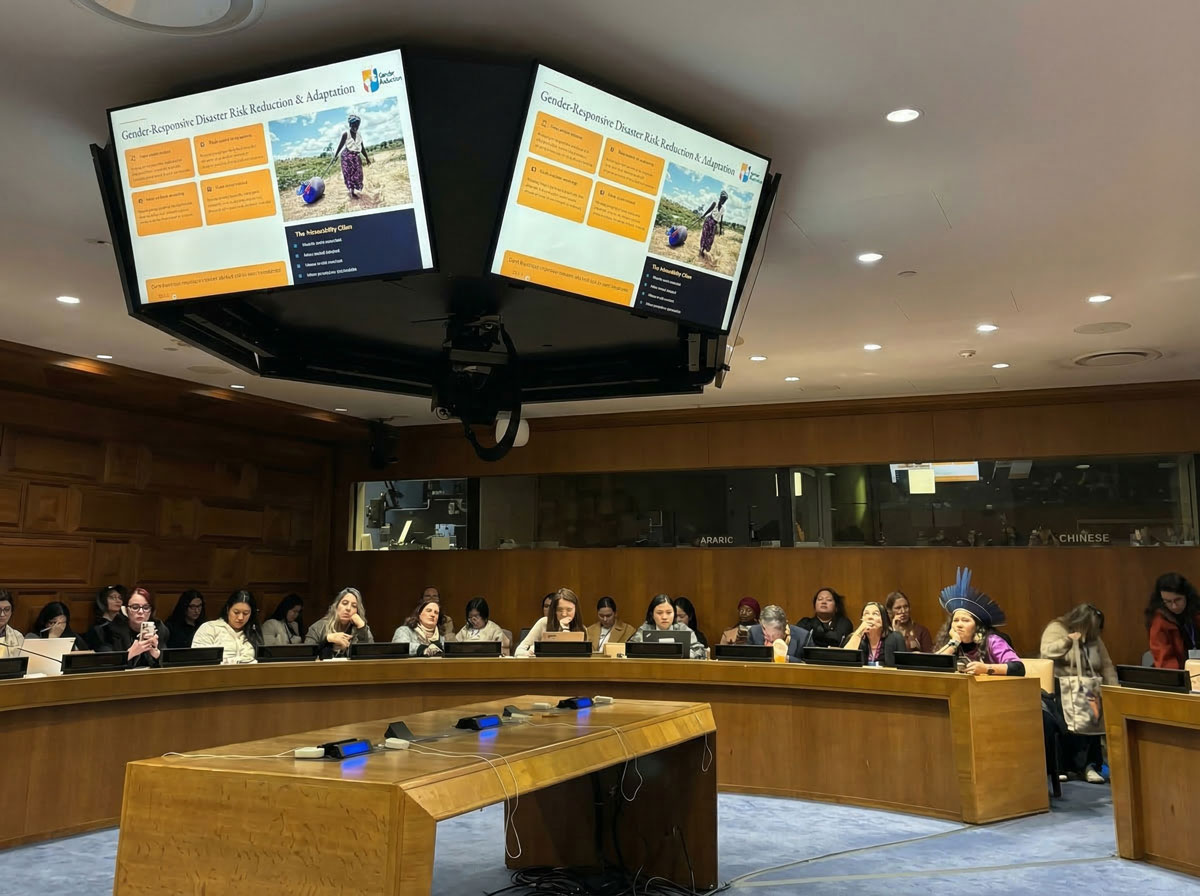
The panel, which also included contributions from Sitabile Dewa of the Women’s Academy for Leadership and Political Excellence (WALPE Africa), Mara Dolan of WEDO and moderation by Ana Moreno, from the Global Alliance for Care, reinforced the idea that recognizing the connection between climate and care is essential to building resilience and more inclusive societies. “Care is not only a response to climate impacts, but also a pathway to adaptation, based on local knowledge and collective action,” concluded Agnieszka Raczynska.