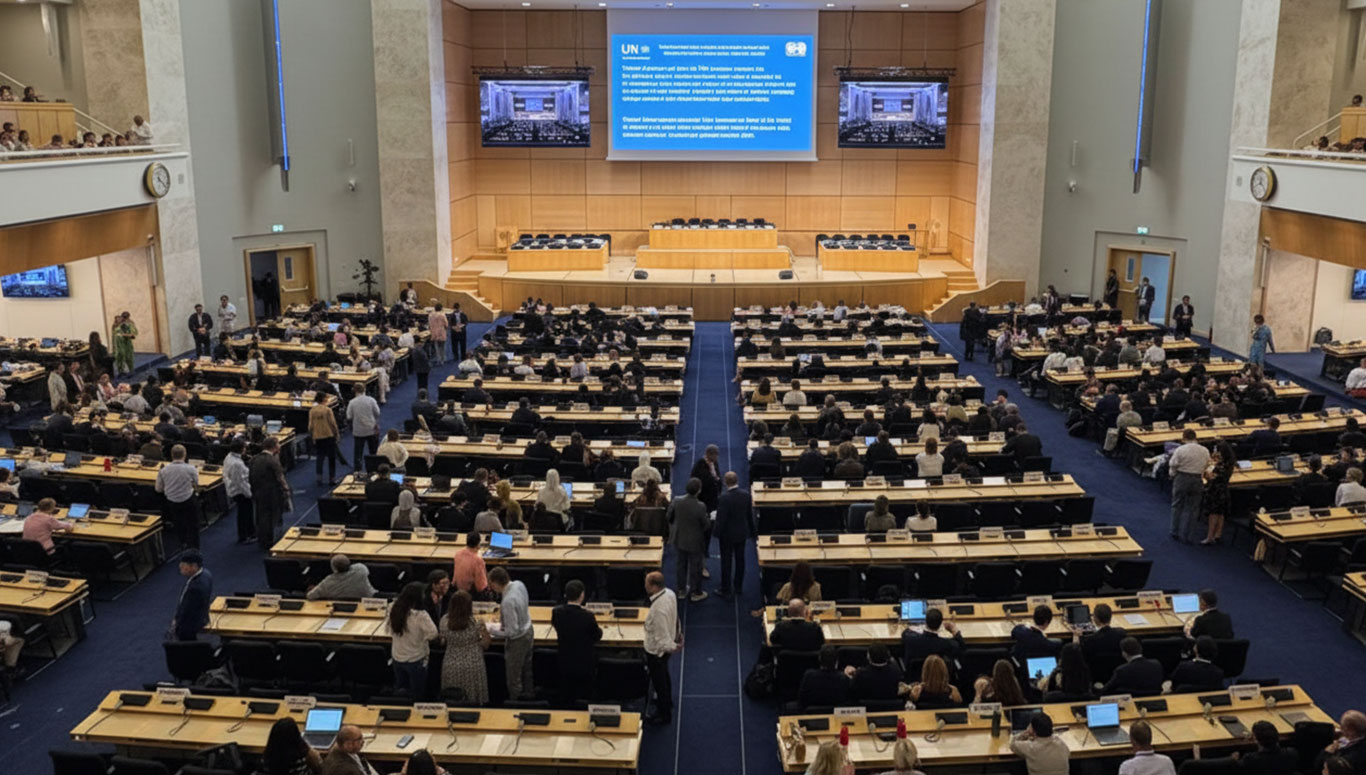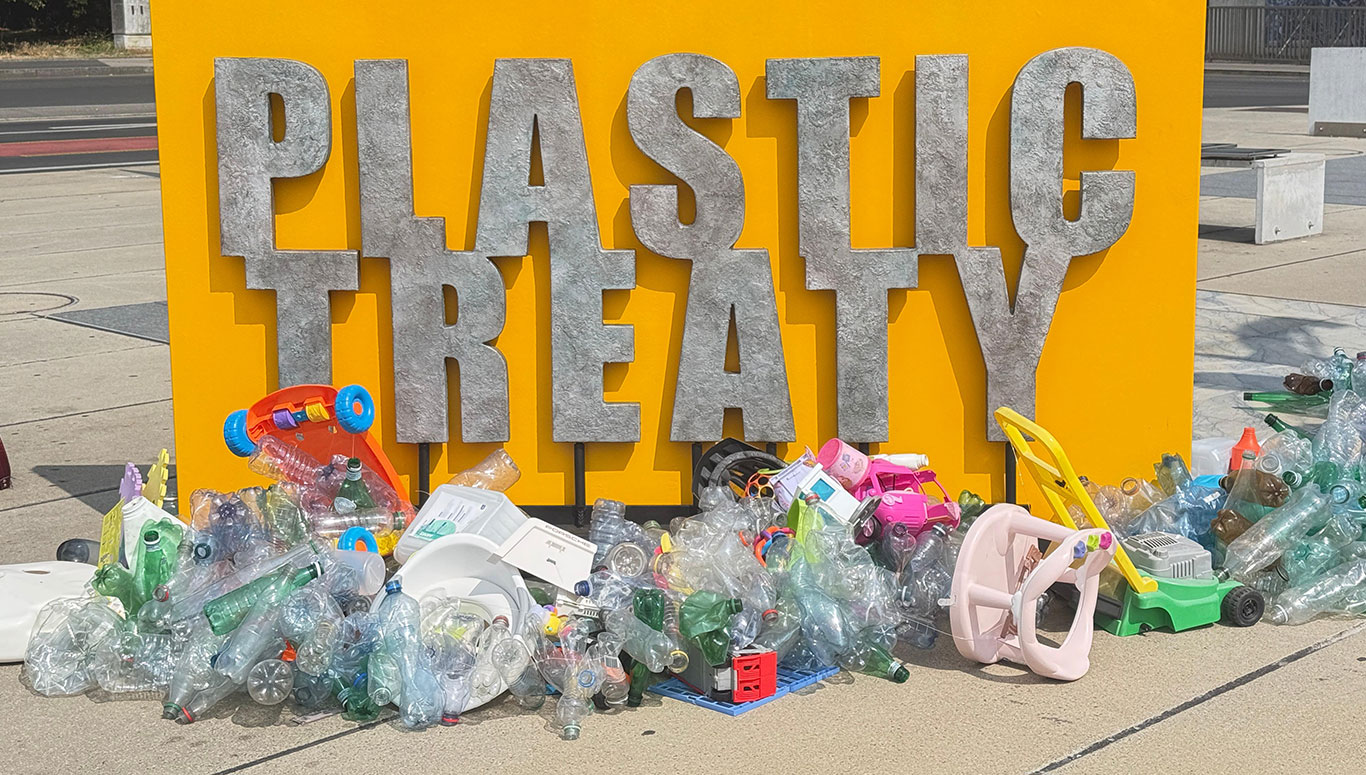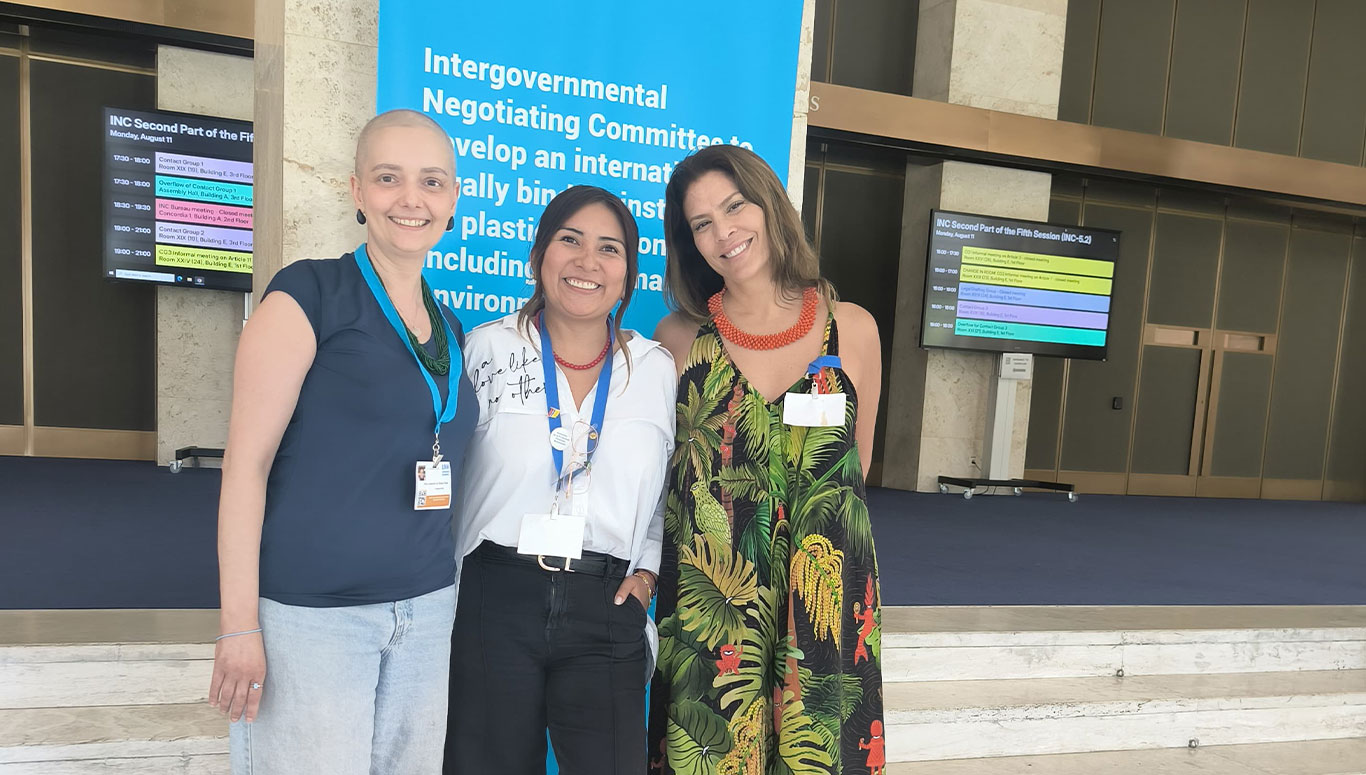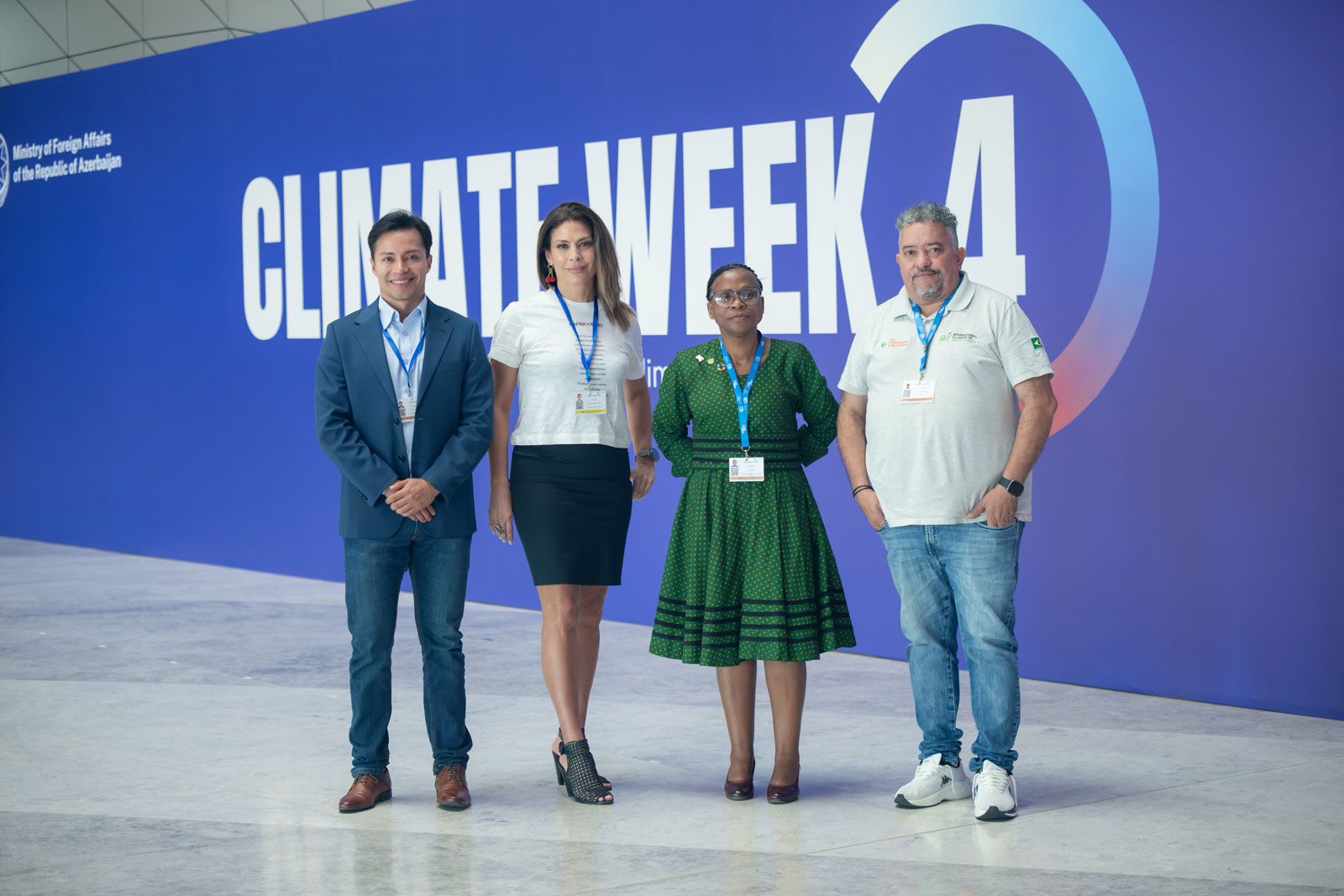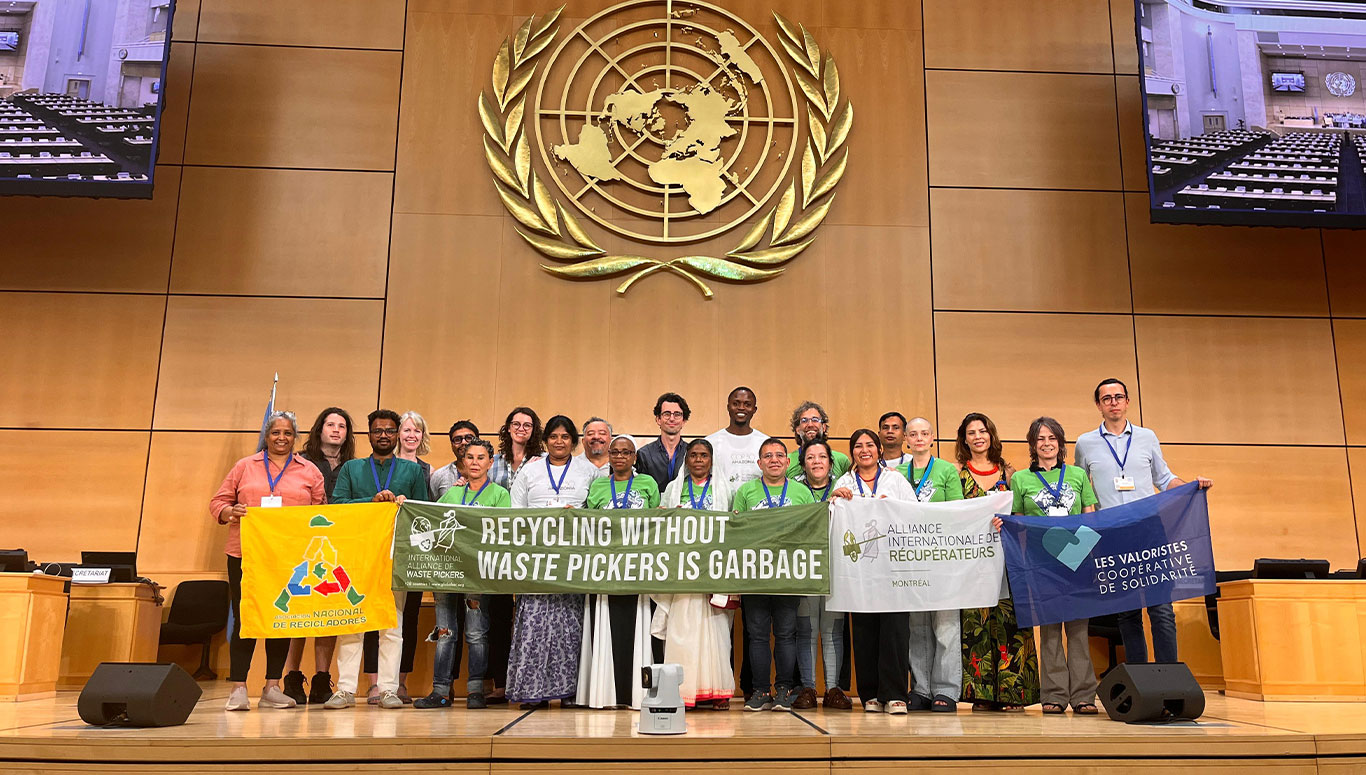
From August 5 to 15, we were in Geneva (Switzerland) alongside allied organizations of grassroots waste pickers from various Latin American countries, accompanying the negotiations toward a potential global treaty to combat plastic pollution.
International debate on plastics and the climate crisis
Although the negotiations concluded on Friday without reaching a consensus, we witnessed how the global debate on plastics gained momentum, highlighting its connection to the climate crisis and the urgent need to reduce dependence on fossil fuels. The debate included negotiators from 185 countries.
Inclusive recycling: coordination and recognition of waste pickers' role
In this dialogue process, which involves multiple agendas and perspectives, we were able to coordinate efforts with our allies, strengthening the positioning of inclusive recycling and recognizing the essential role of waste pickers.
Together with grassroots recyclers, various actors from civil society and the business sector, we will continue to advocate for an ambitious, binding treaty that truly commits countries to reducing plastic pollution—leaving no one behind.
Strengthening transformative narratives
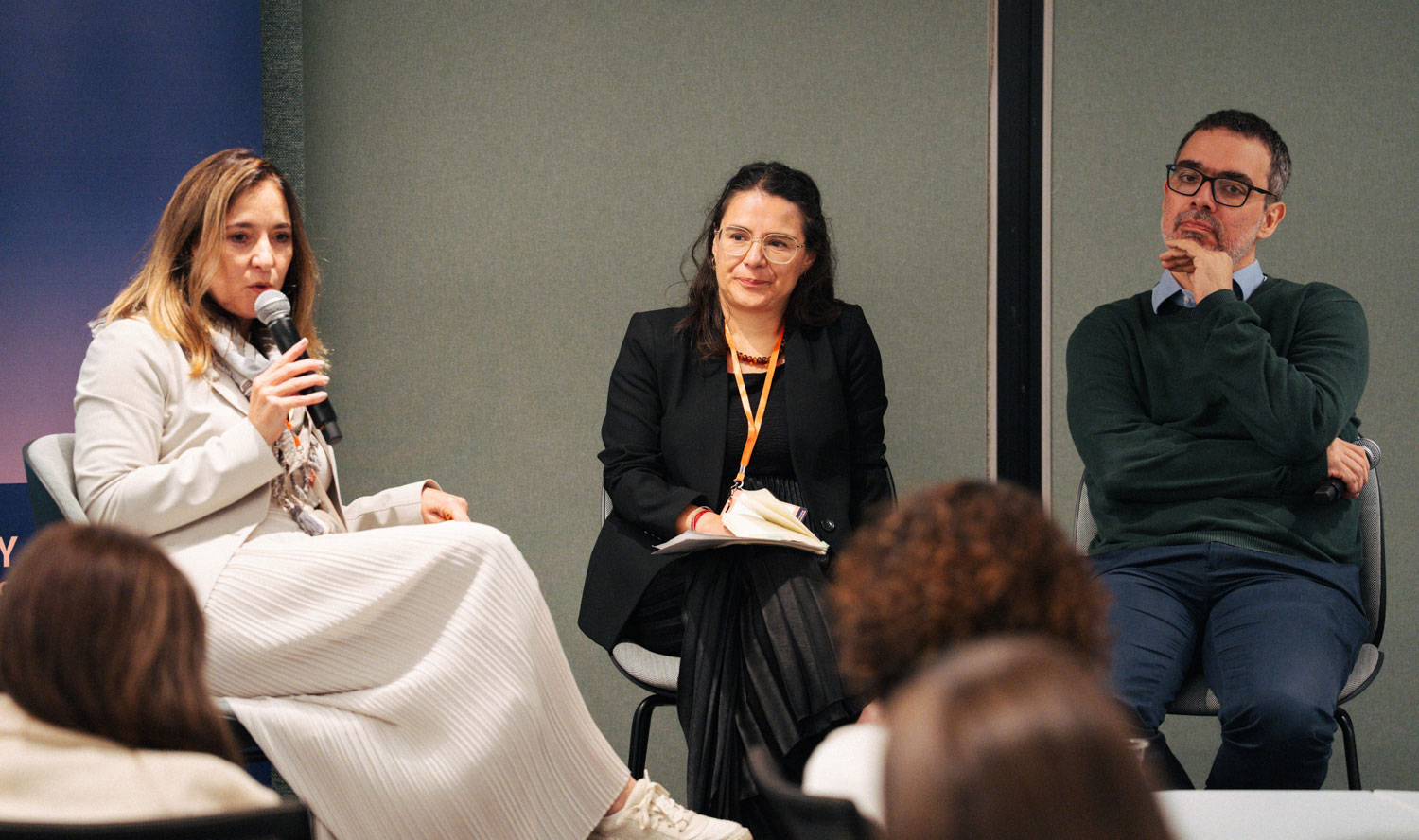
To reinforce democratic participation, direct climate action, and the fight for fair working conditions, we also worked to establish narratives that support the context for these transformations to take place. We brought the agenda to various media outlets, helping enrich the debate with quality information and thus creating conditions for real impact.
Highlighted media appearances
Through the Inclusive Circular Economy Program, we shared our perspectives in media outlets as a result of our participation in the Global Plastics Treaty debate:
"In Latin America and the Caribbean, 45% of waste is improperly disposed of, and 60% of plastics are recovered by the hands of grassroots waste pickers. It is very important to have a binding agreement signed by countries to end pollution, and we must be ambitious. There are different viewpoints among countries, and they must be managed in the discussions. That's the complexity."
— Paula Pariz, in an interview with CNN
"For the treaty to be effective, it must be ambitious and consider not only economic aspects but also the social and environmental impact of the plastics crisis."
— Romina Malagamba, em reportagem do Clarín
"It is essential that the article on just transition be prioritized and that it primarily considers grassroots waste pickers."
— Paula Pariz, in an article by Clarín