How does the resilience of cities in the face of climate change depend on often invisible rural and natural territories? Can investing in these territories be a central strategy for climate and urban risk management?
These are the questions addressed by our Climate Action Director, Juliana Strobel, in this article about the orchestration of the Marajó Resilient initiative, which combines agroforestry systems, access to markets and credit for family farming, and the strengthening of municipal public policies in the world’s largest fluvial-marine archipelago.
When we talk about urban resilience in the context of climate change, it is essential to recognize that we are, above all, talking about systemic risk management. Cities concentrate people, assets, infrastructure, and markets, but they depend deeply on systems that lie beyond their direct control.
Water, food, climate stability, and biodiversity come from rural and natural territories, often located far away. This leads us to a central point: the city and the urban are not synonymous. The city is a territorial system deeply dependent on rural and natural spaces that sustain its vital flows. Ignoring this interdependence means accepting increasing levels of risk for cities, economies, and public policies.
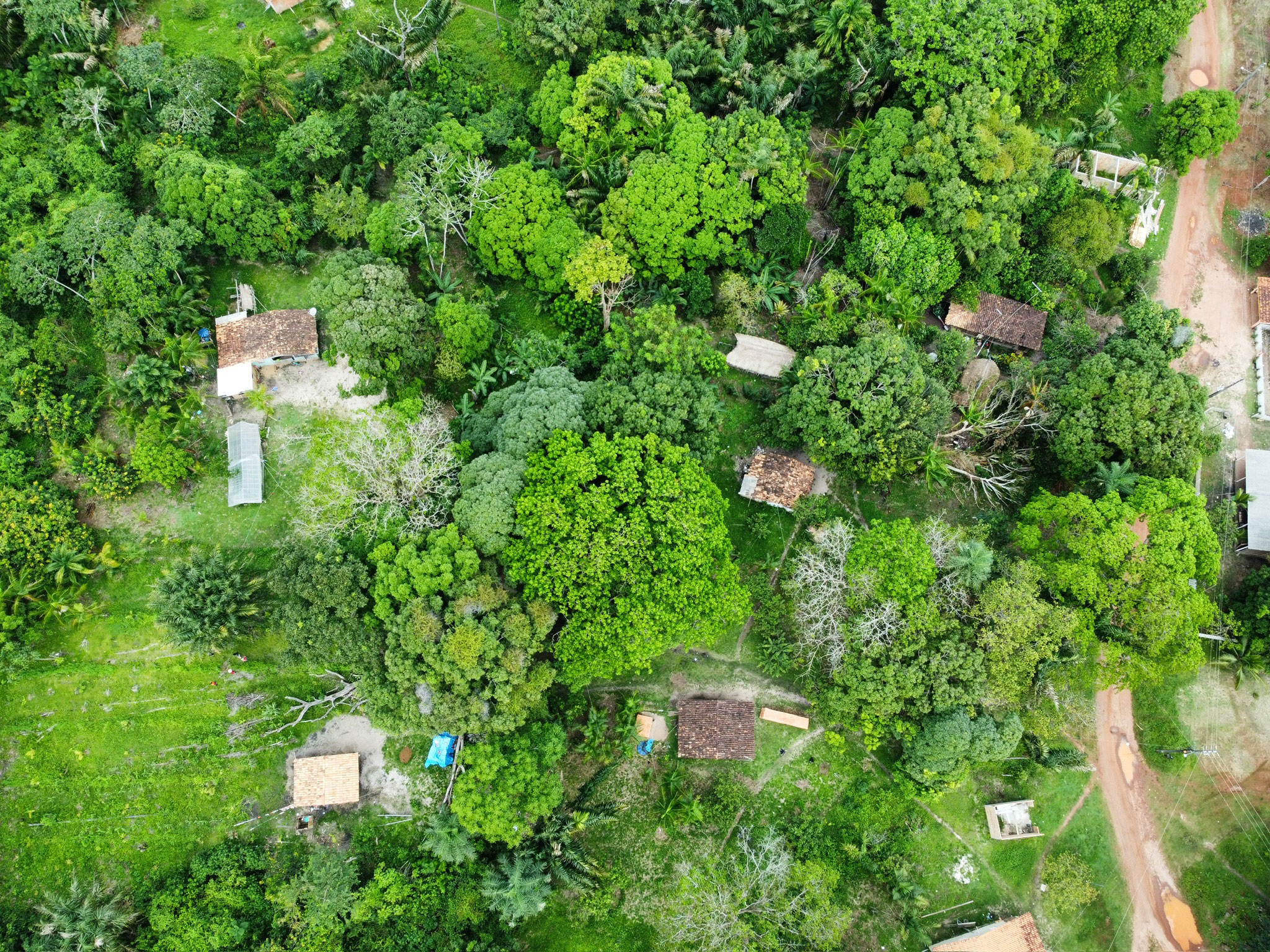
Aerial image of the areas covered by the Marajó Resilient project
From a climate perspective, two of the main drivers of urban vulnerability today are food security and water security. Food systems are highly exposed to extreme events, logistical instability, and environmental degradation, while water availability in cities depends directly on soil management, ecosystem conservation, and governance arrangements that go beyond municipal boundaries. Many urban crises originate precisely from these territorial failures. Therefore, investing in resilience is, above all, investing in prevention—before risks turn into humanitarian or economic crises.
In this context, Marajó Resilient emerges as a project funded by the Green Climate Fund and coordinated by Fundación Avina, aiming to increase the climate resilience of family farmers in one of Brazil’s most vulnerable territories through scaling diversified agroforestry systems and strengthening local governance. The Marajó experience helps make visible how rural territories—often considered peripheral—are in fact central to urban resilience.
Located at the mouth of the Amazon River in northern Brazil, within the Amazon region, Marajó is an archipelago of enormous ecological and climate relevance, yet without land connections to major urban centers, with access primarily via waterways. This structural isolation amplifies social and economic vulnerabilities locally and highlights an important contradiction: although the territory contributes to the food security of cities like Belém, Marajó’s municipalities have historically had limited public policy capacity to deal with climate impacts within their own territory.
In this scenario, the Marajó Resilient project combines three integrated strategic fronts: the implementation of 800 hectares of diversified agroforestry systems, strengthening climate resilience, food security, and ecosystem services; reducing barriers to market access and PRONAF credit for family farming, expanding rural families’ investment capacity; and strengthening municipal public policies focused on climate adaptation strategies. This approach simultaneously addresses territory, finance, and governance—key elements for structurally reducing vulnerabilities.
In the field of public policy, the focus is to support municipalities in thinking about climate resilience beyond urban centers, placing family farmers at the center of local strategies. In partnership with local and national actors, the initiative supports the municipalities of Soure, Salvaterra, and Cachoeira do Arari in developing their Municipal Climate Adaptation Plans within the AdaptaCidades initiative, promoted by the Federal Government. At the same time, organizations involved in the project work to ensure that existing public policies are strategically used as tools for adaptation and local development, such as strengthening the implementation of PAA and PNAE, enabling local agroforestry products to be included in public procurement and strengthening access to local and regional markets. Complementary initiatives, such as strengthening local food markets, also contribute to this territorial resilience logic.
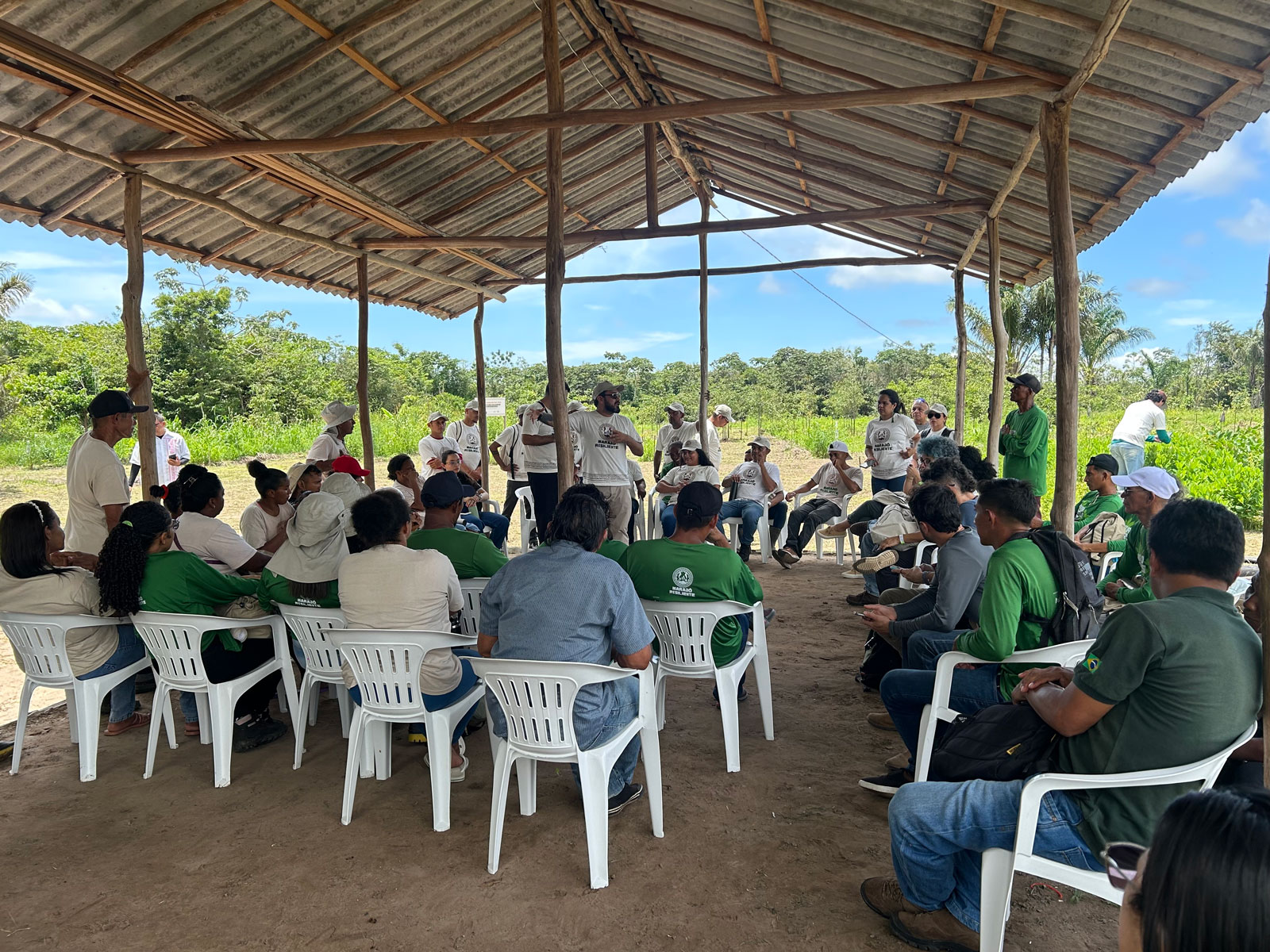
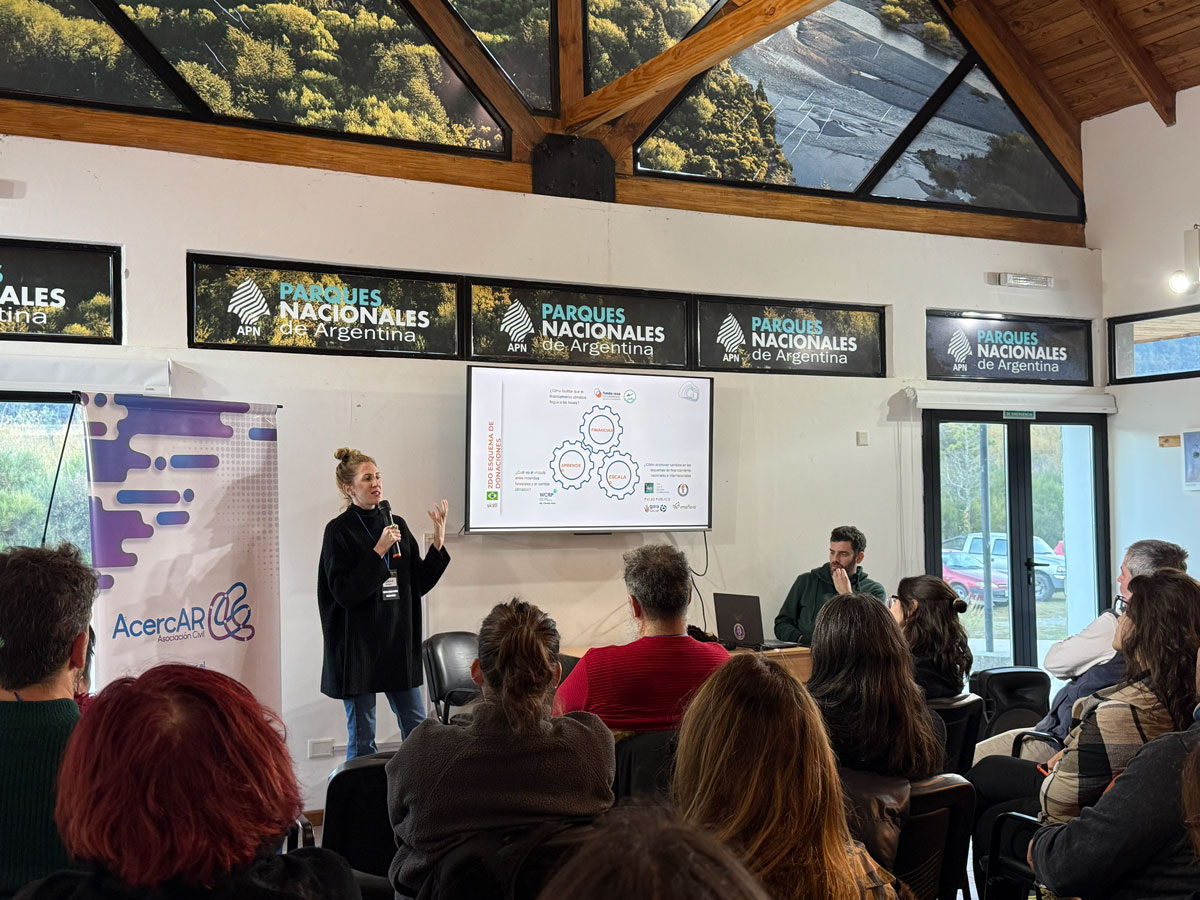
Certification activity of multipliers from the Marajó Resilient project
This experience reflects Fundación Avina’s approach: working precisely in the space where many solutions are lost—between territory, public policy, and finance. Rather than imposing ready-made models, Avina supports locally led solutions, connecting knowledge and innovation that emerge from the territory—including ancestral knowledge of family farmers—with scaling strategies, financial resources, and decision-making processes. In Marajó Resilient, local populations are not final beneficiaries but co-creators from the outset, through governance that includes a Local Advisory Committee with real decision-making power. This approach is not only ethical but strategic: solutions designed from the territory tend to be more effective, durable, and less dependent on continuous external funding, generating more resilient impact over time and greater capital efficiency for investors and funders.
Ultimately, what Marajó Resilient teaches us is that investing in strategic rural territories—especially those historically isolated—is also investing in the resilience of cities, markets, and institutions. In a context of growing climate uncertainty, initiatives that strengthen food security, water security, and territorial governance move beyond being merely socio-environmental actions and become smart strategies for risk management and future-building. In short: the future of cities depends on the ability to recognize—and invest in—the territories that sustain them.

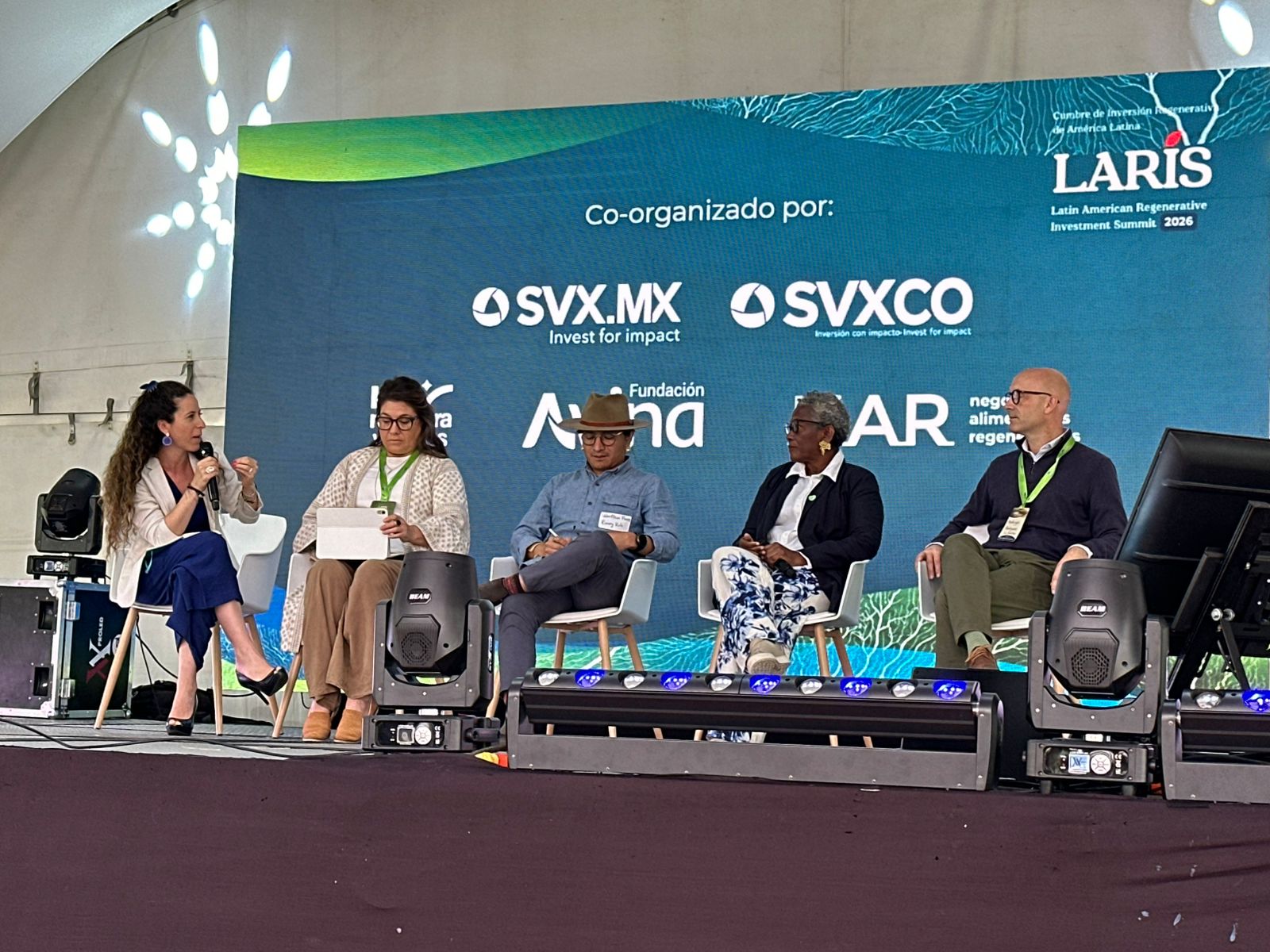
Juliana Strobel at Smart City 2026, held in Curitiba, Brazil, during the panel “Resilient Cities: Are We Ready?”, where the Marajó Resilient initiative was presented
By Juliana Strobel
Climate Action Director at Fundación Avina