Between March 31 and April 1, Fundación Avina participated in the National Meeting of the Pacto pela Democracia Network, a broad civil society coalition dedicated to strengthening the democratic ecosystem in Brazil. Since 2025, Avina has been a member of the Network and, through the collaborations it fosters, has contributed to strengthening its Democratic Innovation pillar.
Within this impact area, Avina, as a philanthropic organization, works to strengthen democratic institutions and expand the conditions for a dignified life through more participatory, inclusive, and responsive democracies, better connected to contemporary challenges.
About the Meeting
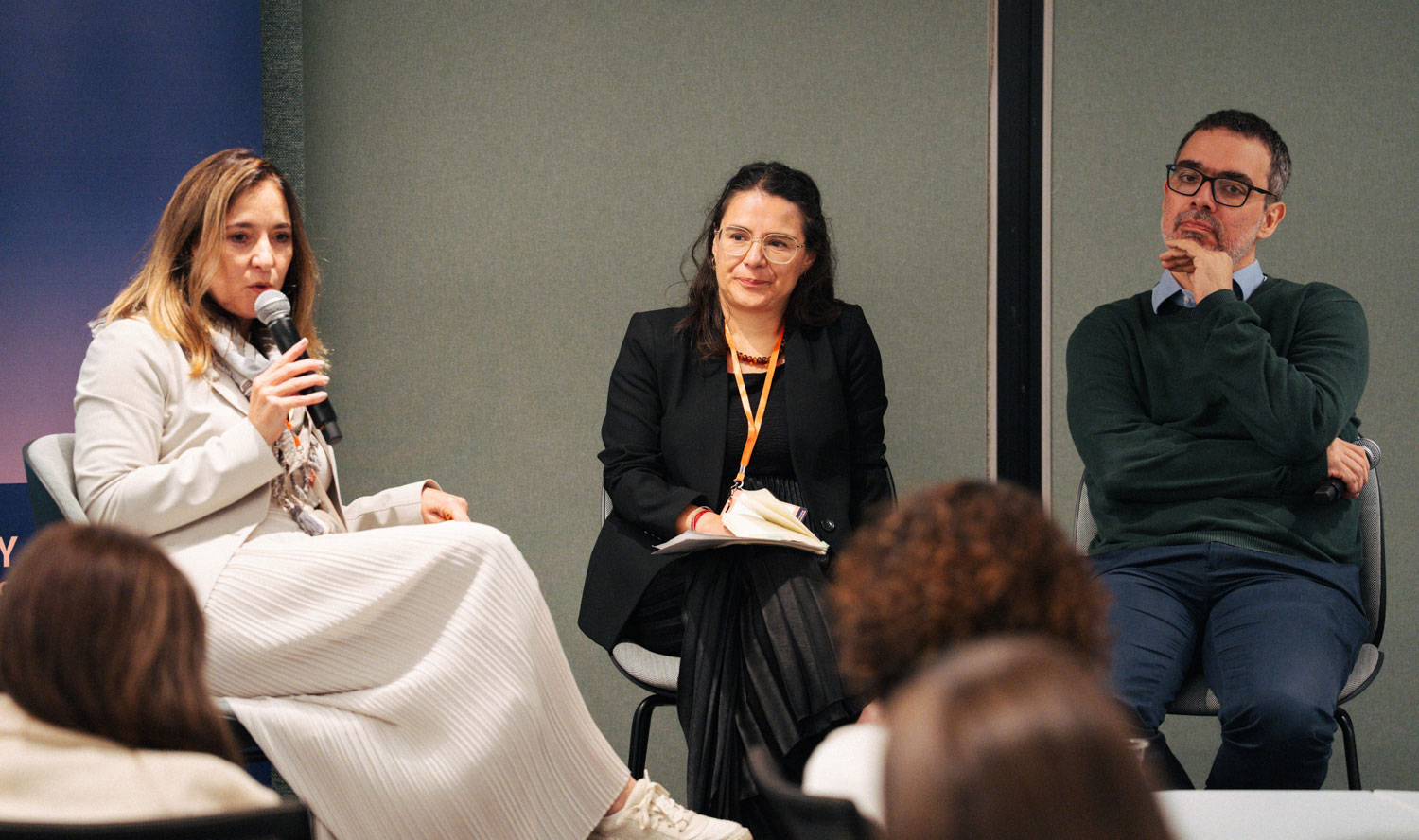
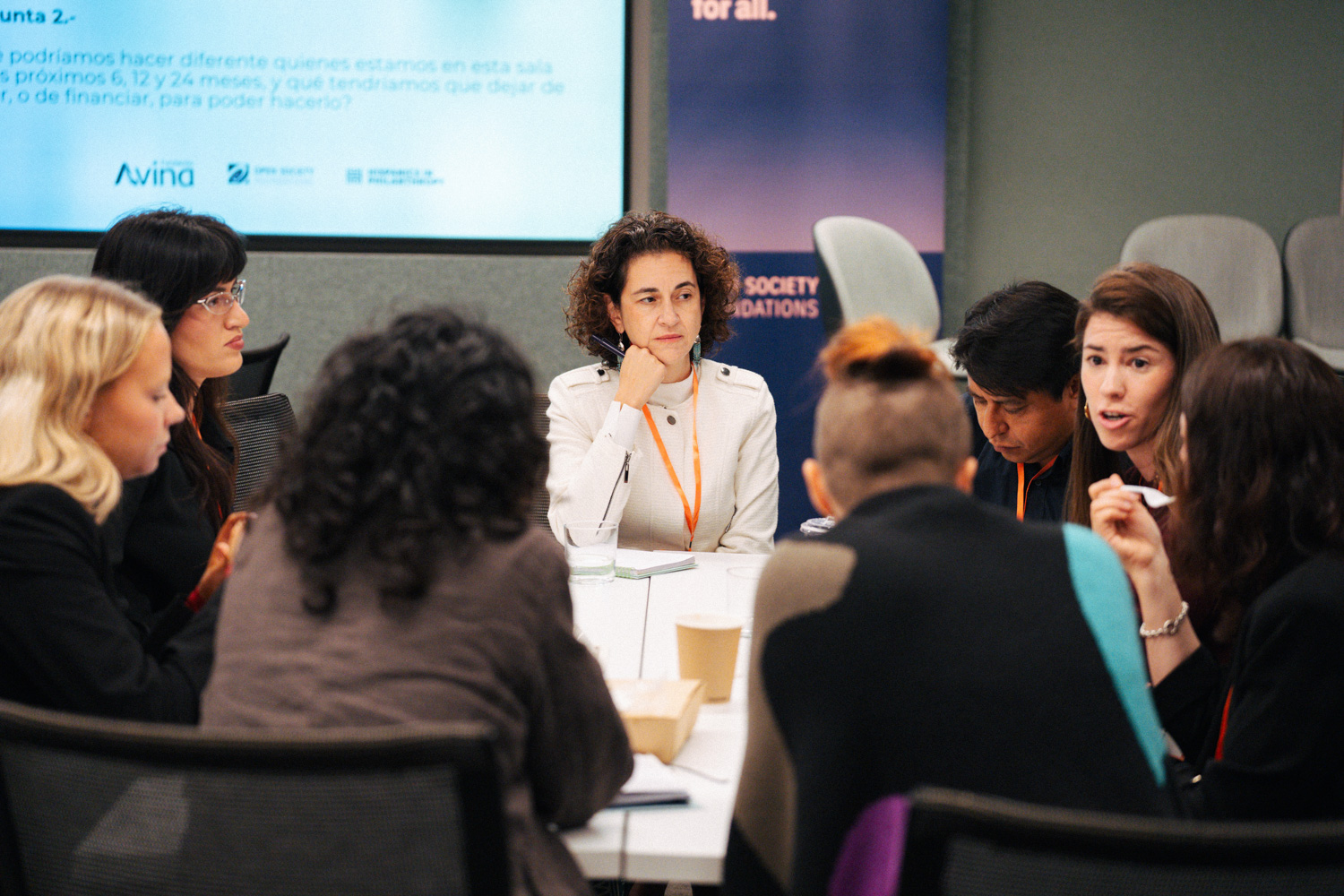
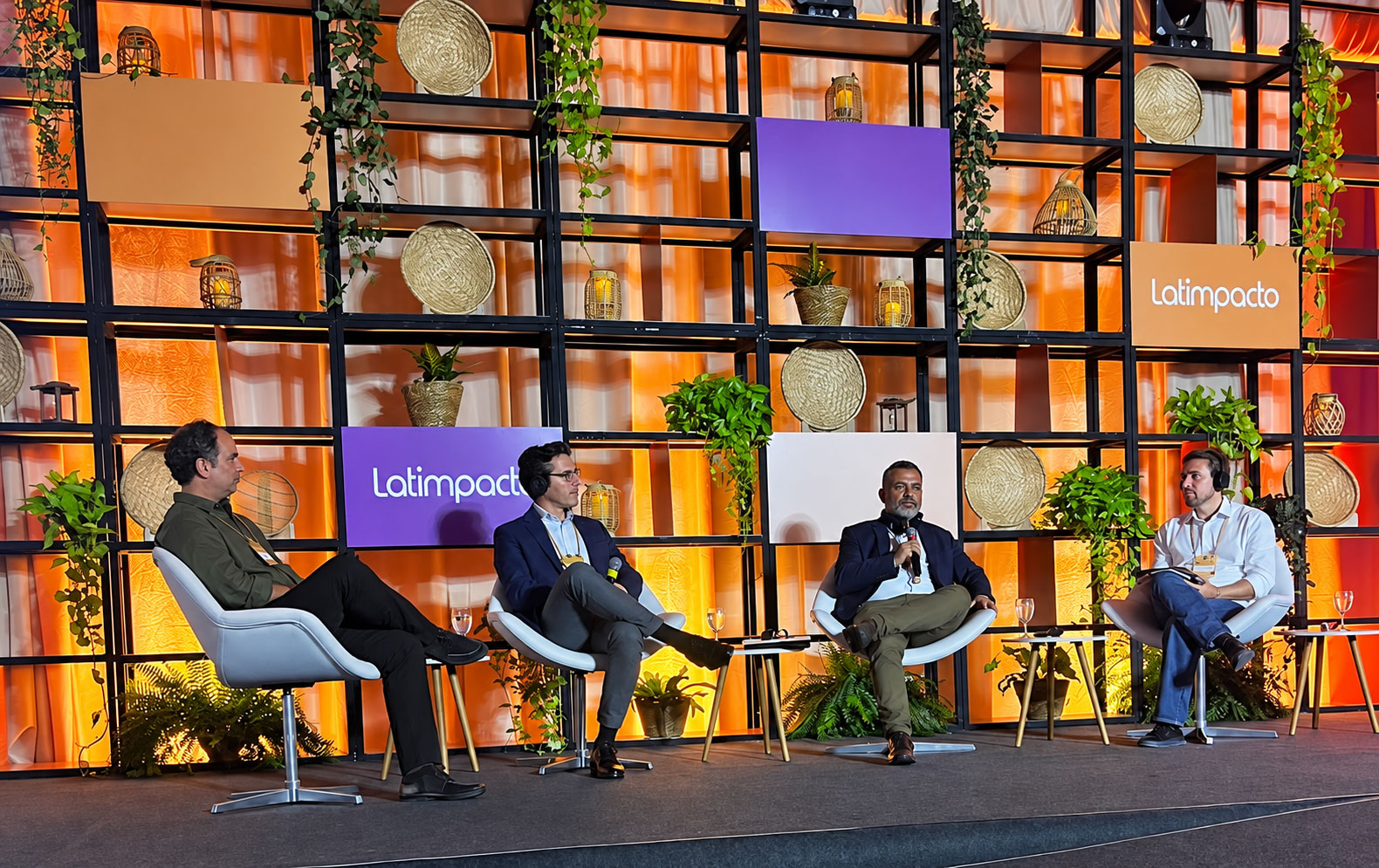
The meeting brought together organizations from different sectors and regions to reflect on the current challenges facing democracy in Brazil and Latin America, in a context marked by profound political, social, and informational transformations. The discussions highlighted the search for new narratives, strategies, and forms of organization capable of engaging with the expectations and lived experiences of the population.
Among the central topics discussed were public security, national sovereignty, the role of religion in political debate, and the growing influence of digital platforms in shaping narratives and public discourse. These issues were examined as structural dimensions of the current political landscape, requiring renewed democratic approaches that connect rights, belonging, and the protection of everyday life.
Throughout the Meeting, a shared understanding emerged that democracy is at a turning point, making it increasingly necessary to reconnect democratic values with people’s concrete experiences, while strengthening social bonds, institutional trust, and the capacity for dialogue across diverse contexts.
Paths and Opportunities for Action
The discussions identified important pathways for collective action, including strengthening capacities to monitor disinformation, expanding connections among organizations, and building cross-sector partnerships. The importance of intersectional approaches, incorporating gender and racial perspectives, was also emphasized as essential for developing narrative experiments and more inclusive strategies.
Initiatives such as ConfIA were highlighted as examples of projects that, when connected through networks, gain scale and evolve into collective agendas, expanding their impact and reach.
Connection with Avina’s Agenda
The discussions at the Meeting were closely aligned with Fundación Avina’s agenda, particularly within its Democracies Program, with a special focus on digital democracy. The importance of locally rooted leadership and regional coordination also emerged as key strategies for addressing shared challenges.
In this sense, the Meeting reinforced opportunities to integrate the democratic agenda with issues such as climate action, territorial defense, labor, and social inclusion, reaffirming democracy as an enabling condition for systemic and sustainable transformation.
Avina’s Role in This Context
Fundación Avina’s approach strongly resonates with the challenges discussed during the Meeting. Reducing gaps and fragmentation within the democratic field necessarily requires collaboration—a principle that has guided the Foundation’s work for more than 30 years.
Through the orchestration of collaborative processes, the alignment of agendas, and the mobilization of strategic social capital for impact, Avina seeks to contribute to stronger, more connected, resilient, and innovative democratic ecosystems. In this regard, participation in networks such as Pacto pela Democracia is essential for expanding dialogue, aligning efforts, and driving long-term change.
Avina’s presence in this space reinforces its commitment to building bridges, integrating agendas, and supporting initiatives that strengthen democracy in Brazil and across the region.
At a time when democracies around the world face critical challenges, it is essential to deepen dialogue and explore diverse democratic models capable of responding more effectively to today’s realities and demands.