Amid the reconfiguration of international politics and the reflections that this moment has prompted across different spheres, those of us who are part of the philanthropic sector have been discussing the role we should play in addressing the impasse facing the current democratic model.
The sector’s current challenges include the shrinking of civic participation spaces, restrictions on resource mobilization, the urgent need to renew multilateralism, and shifts in foundations’ strategies. While there is already consensus on the diagnosis, there is one issue that has not been discussed enough and that urgently needs to be addressed: the risk perceived within the sector when it comes to funding strategies that are explicitly pro-democracy, rather than simply contributing to the democratic agenda.
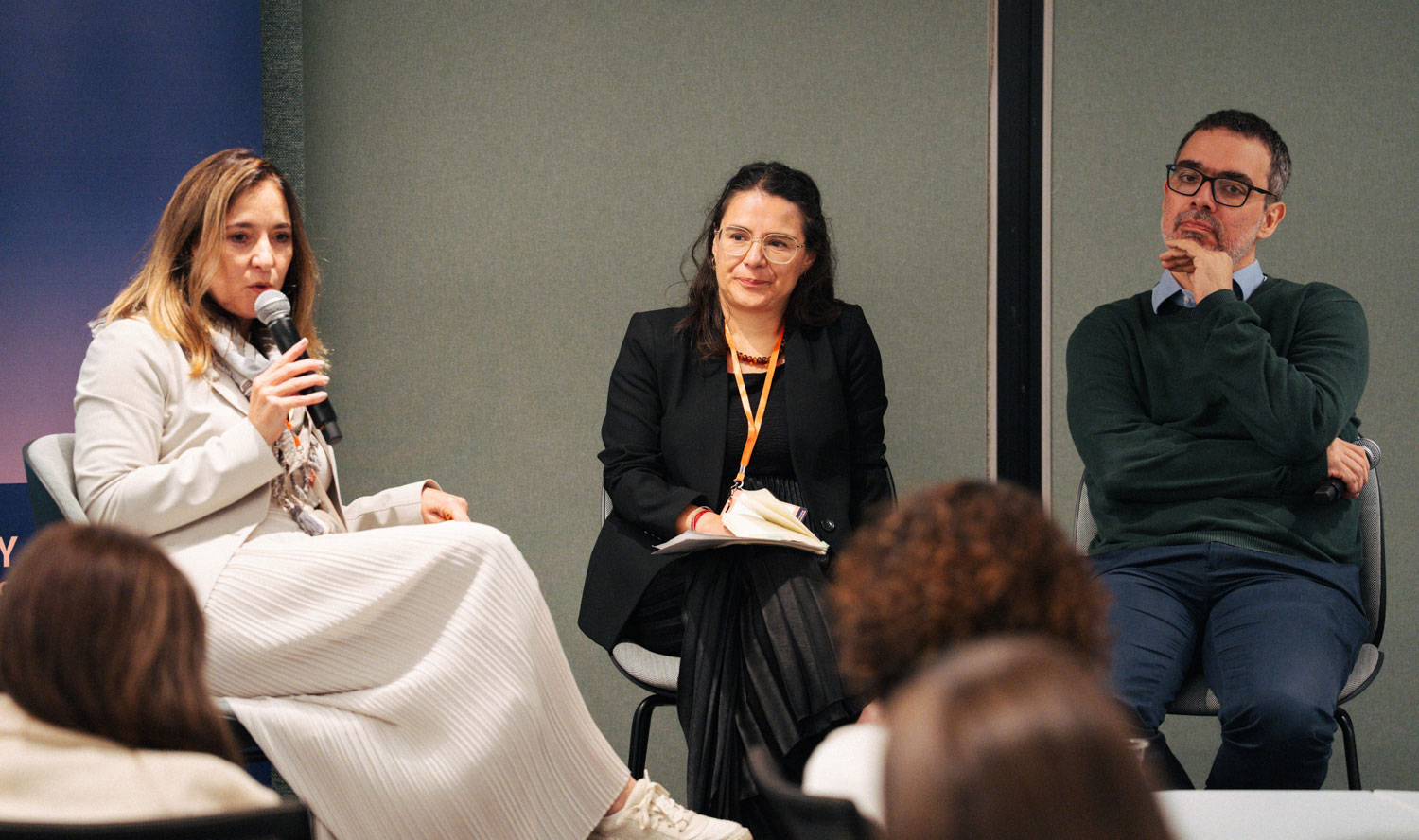
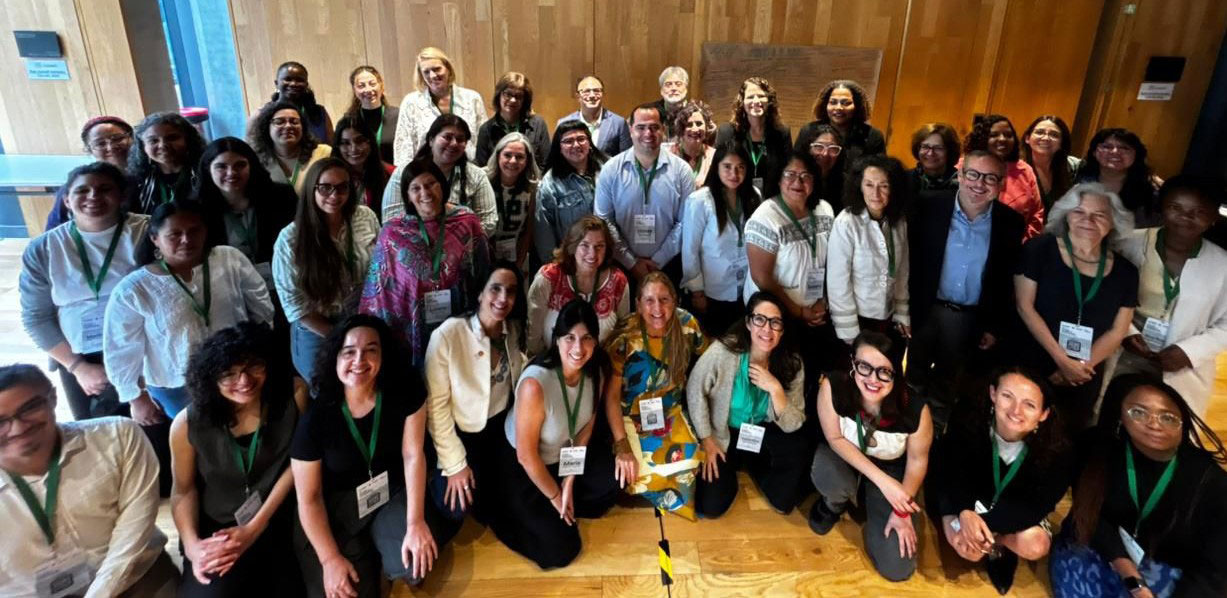
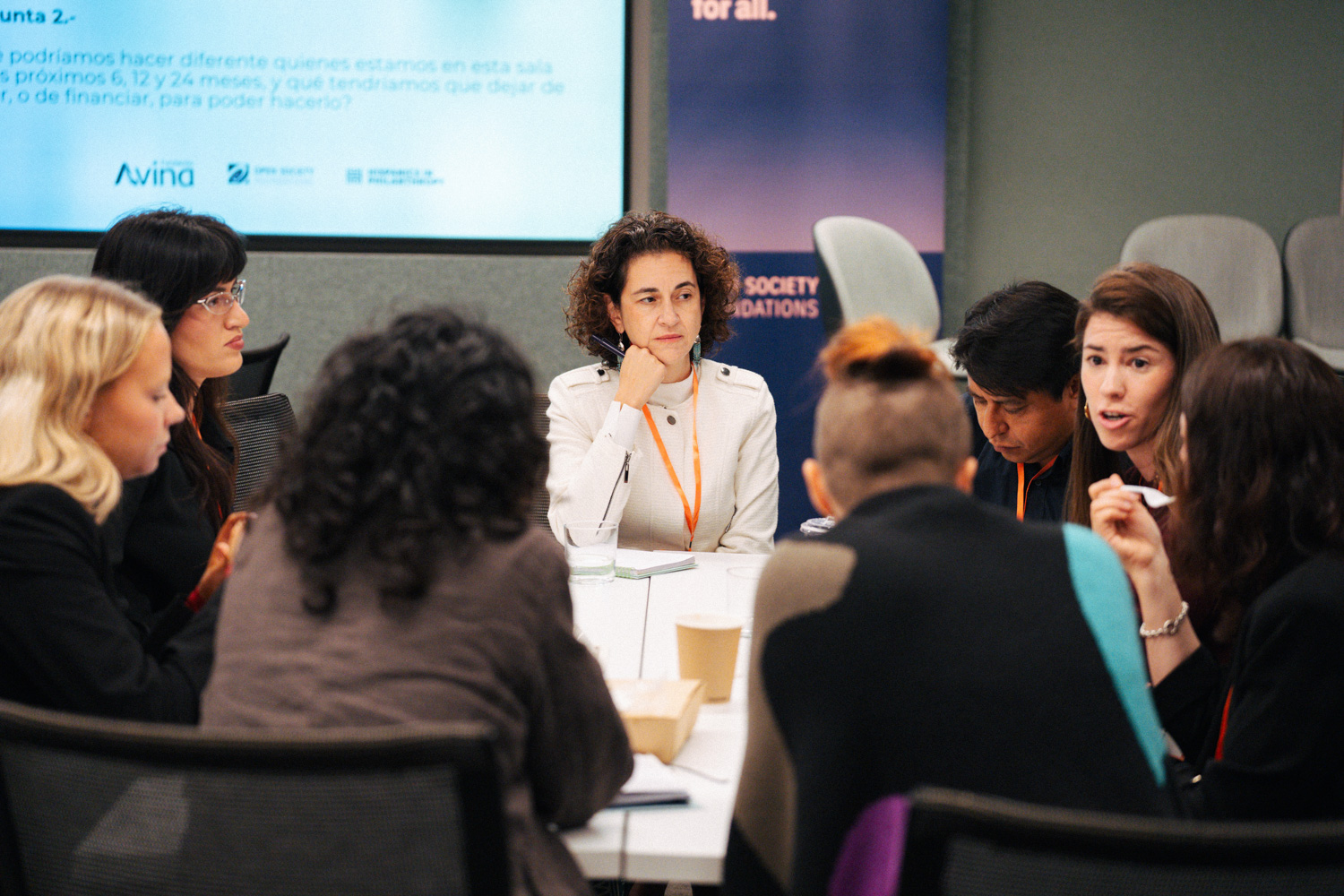
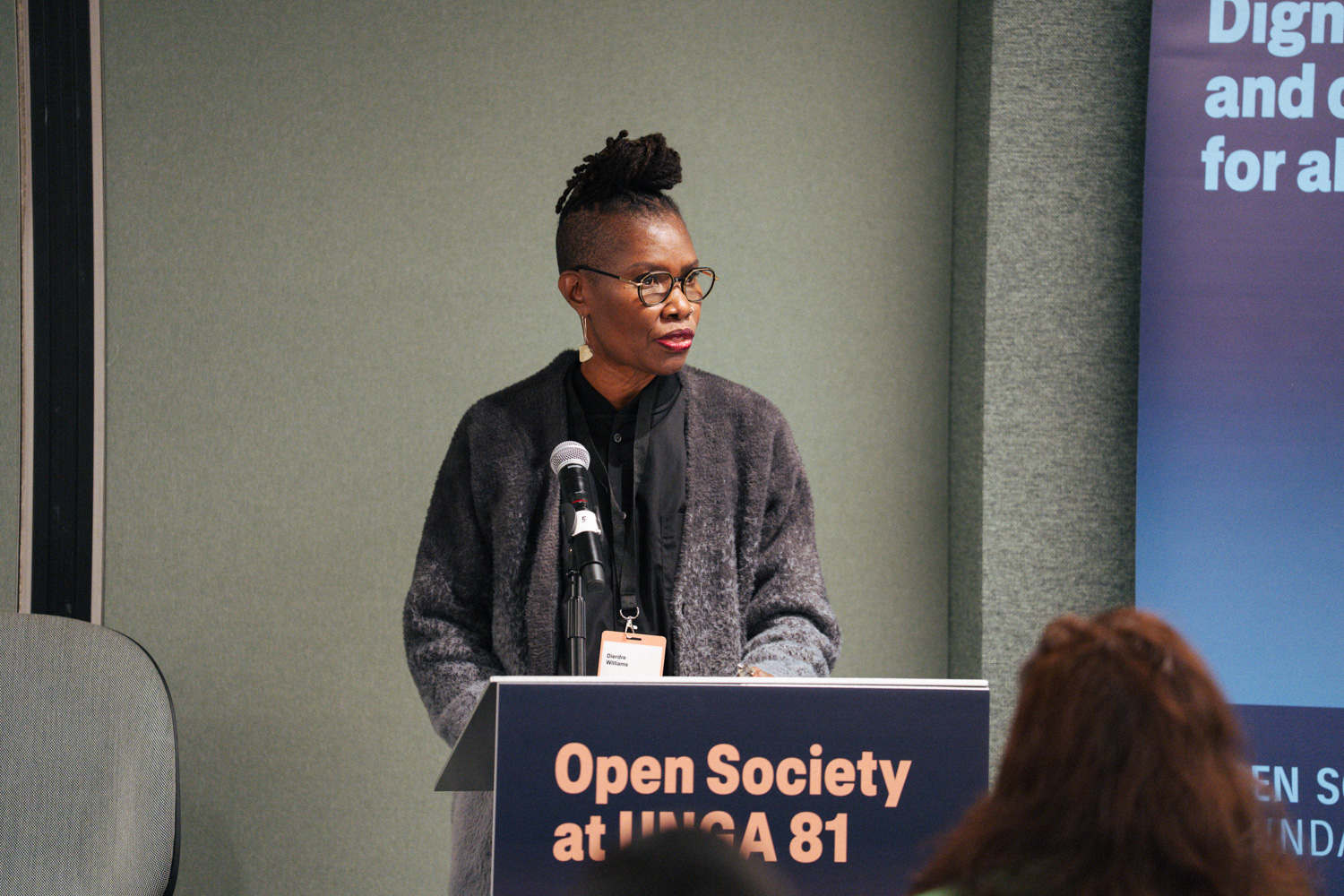
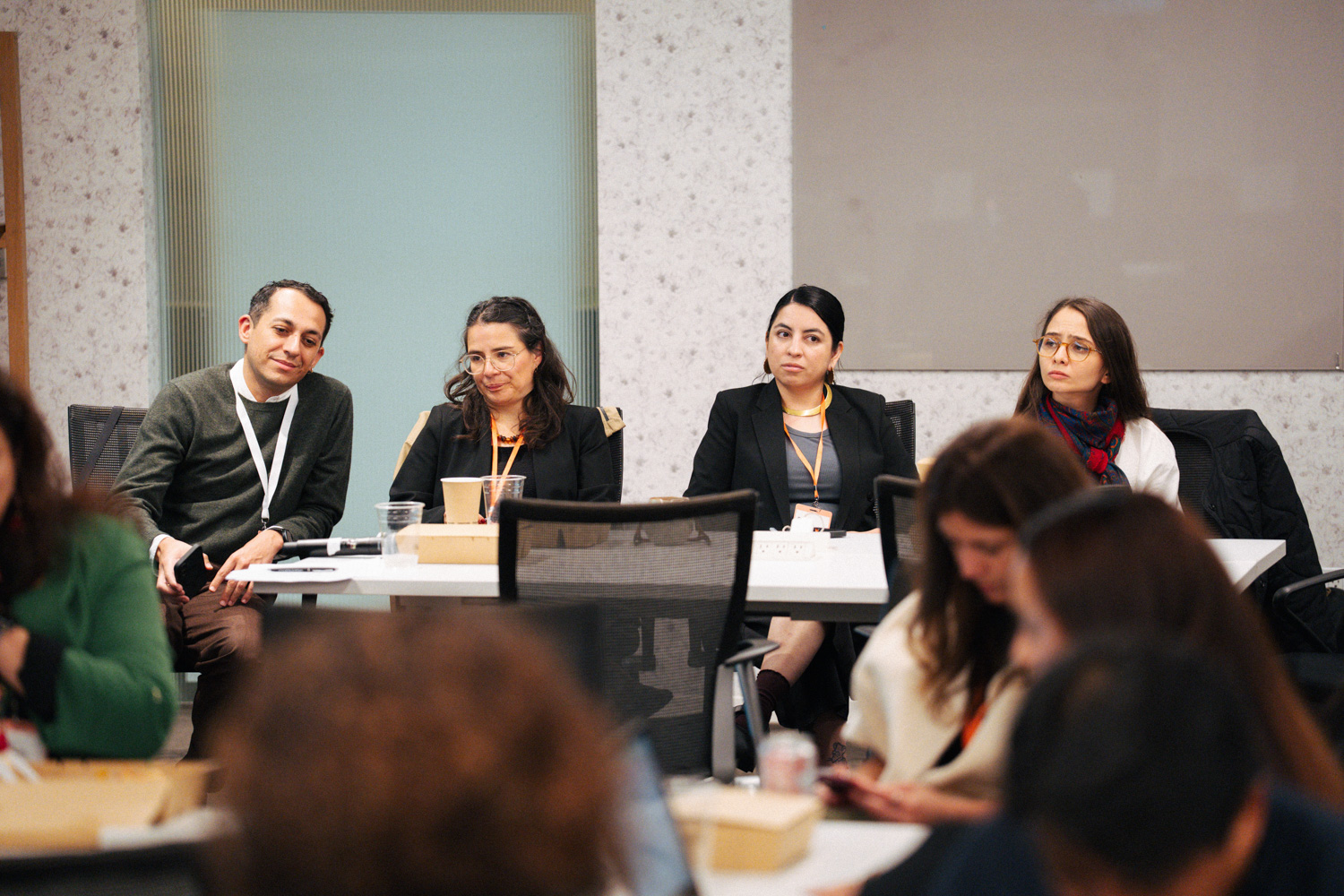
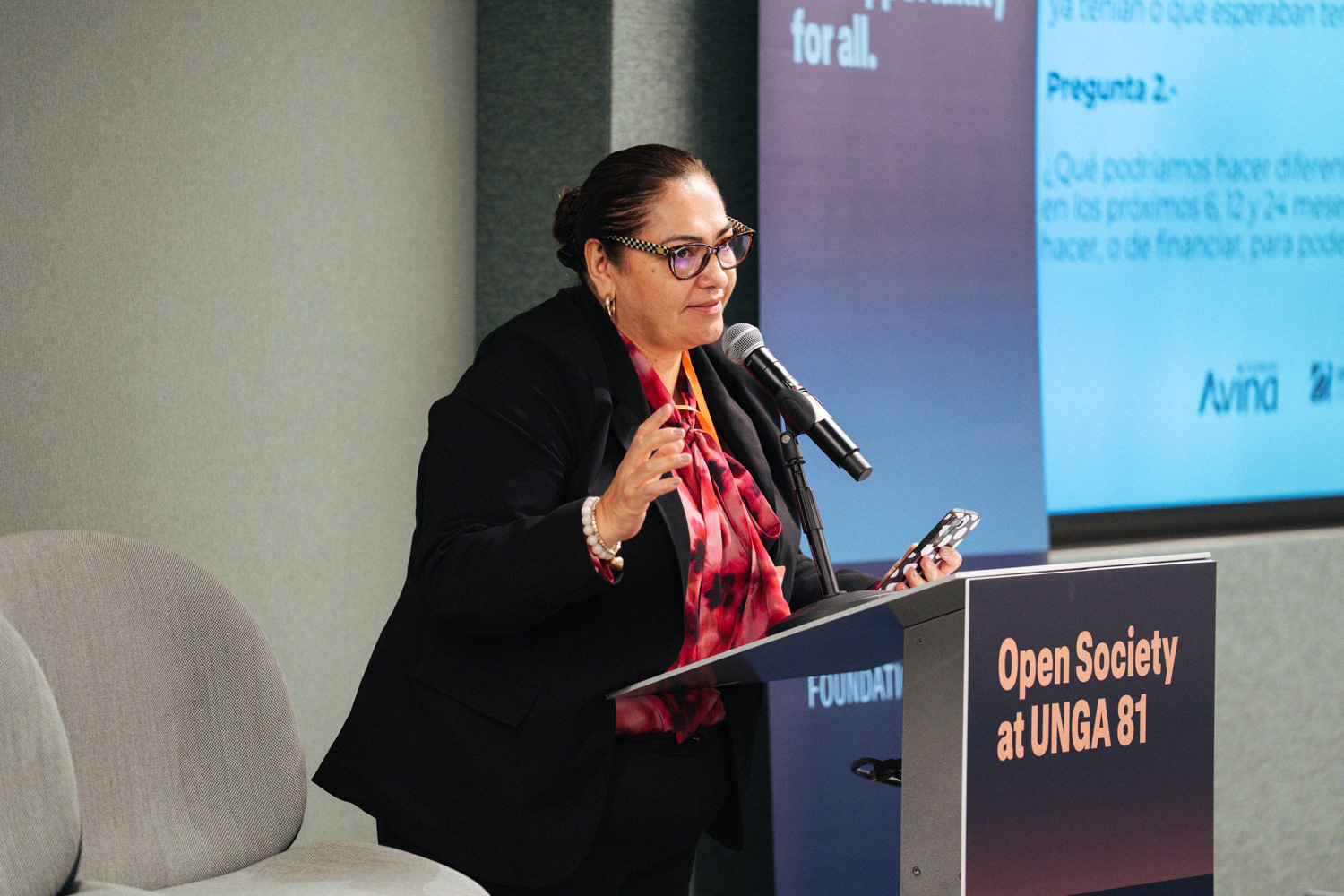
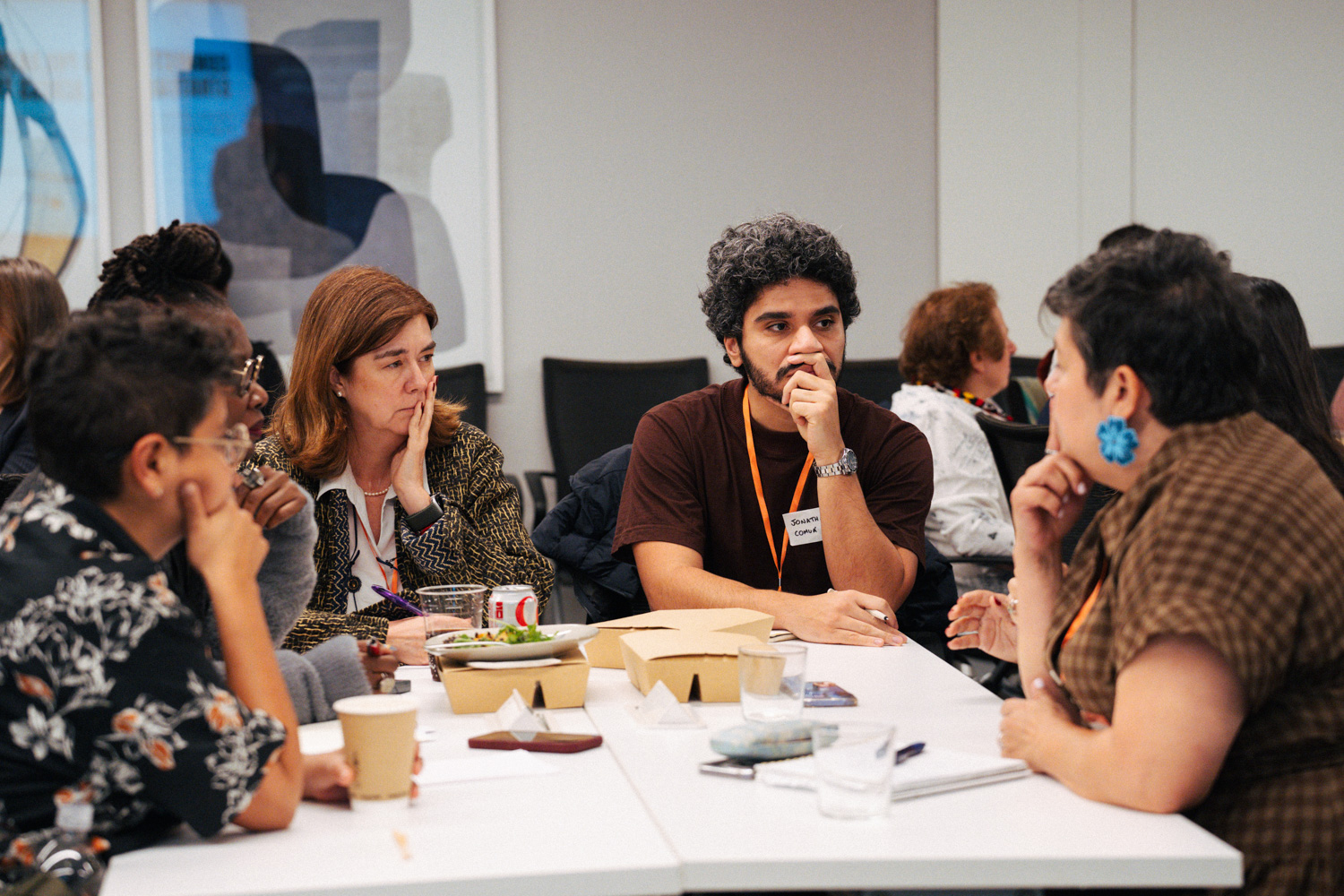
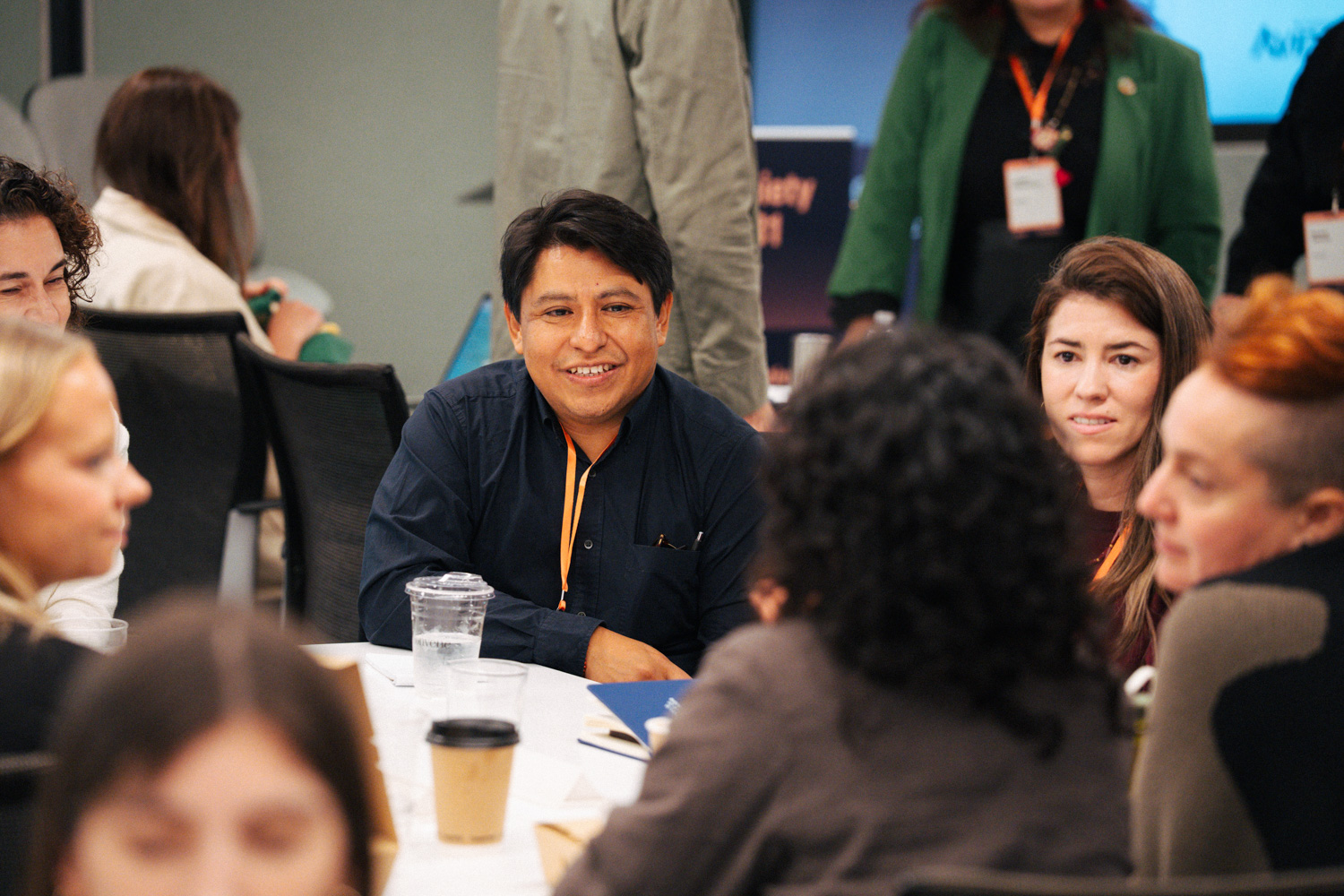
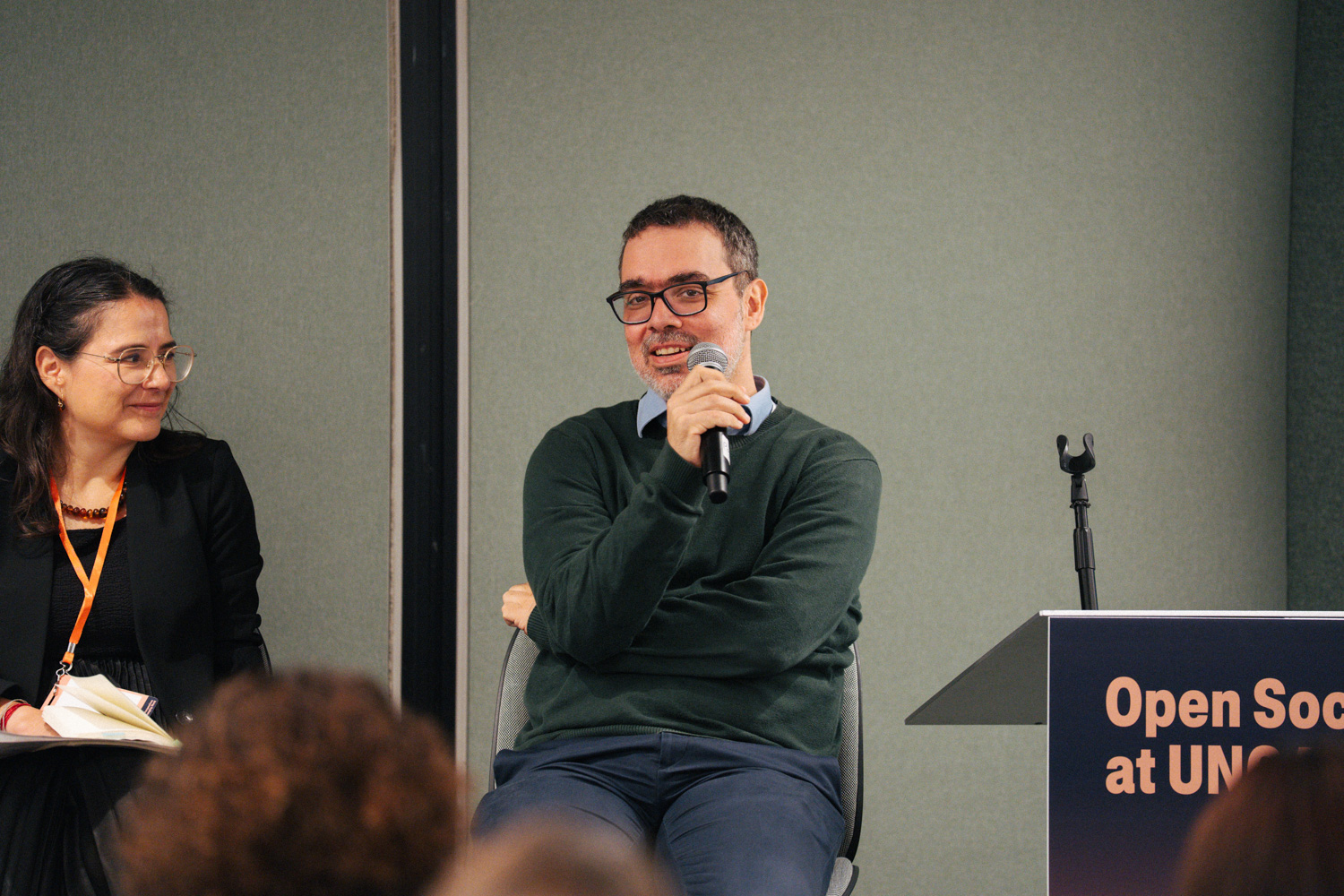
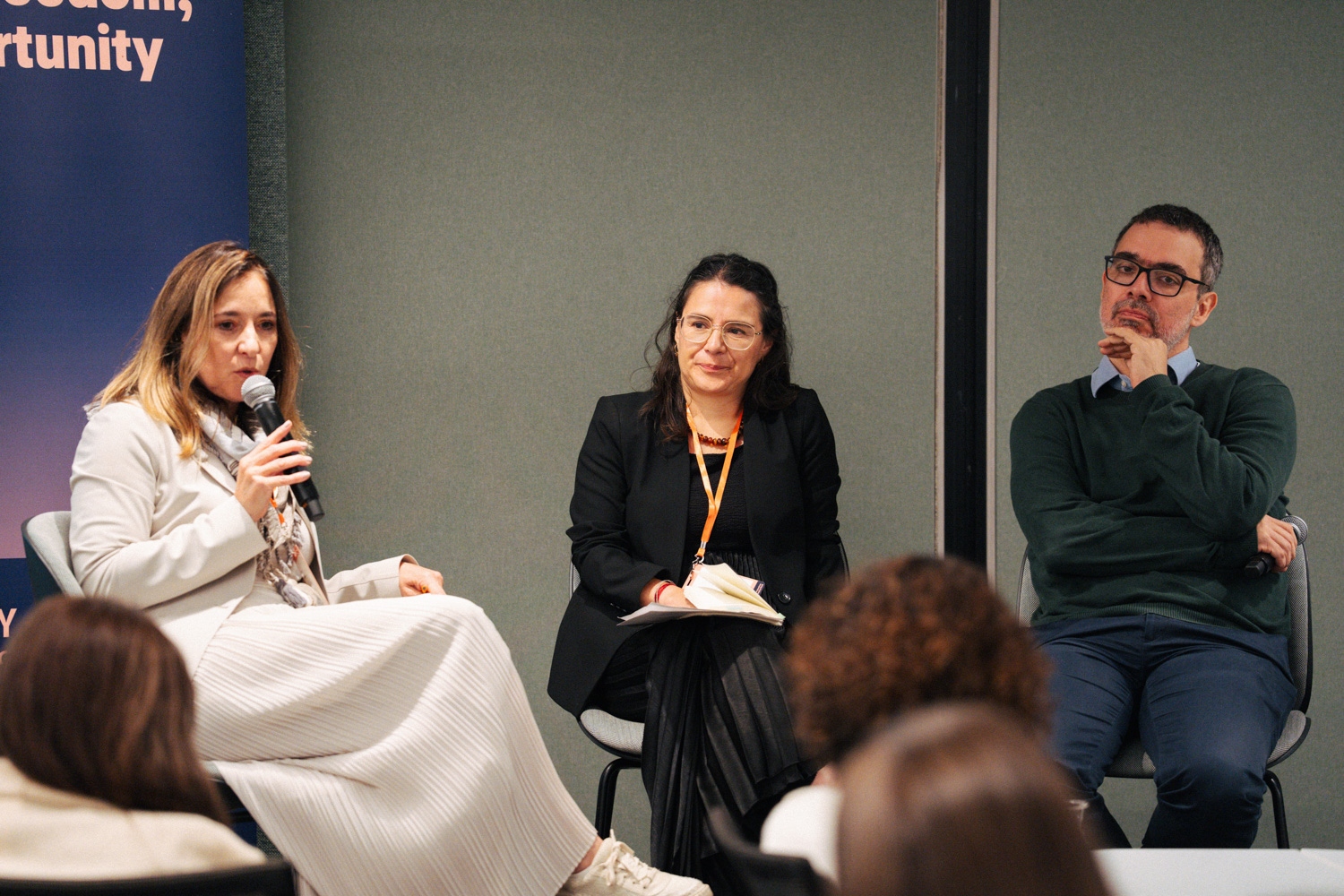
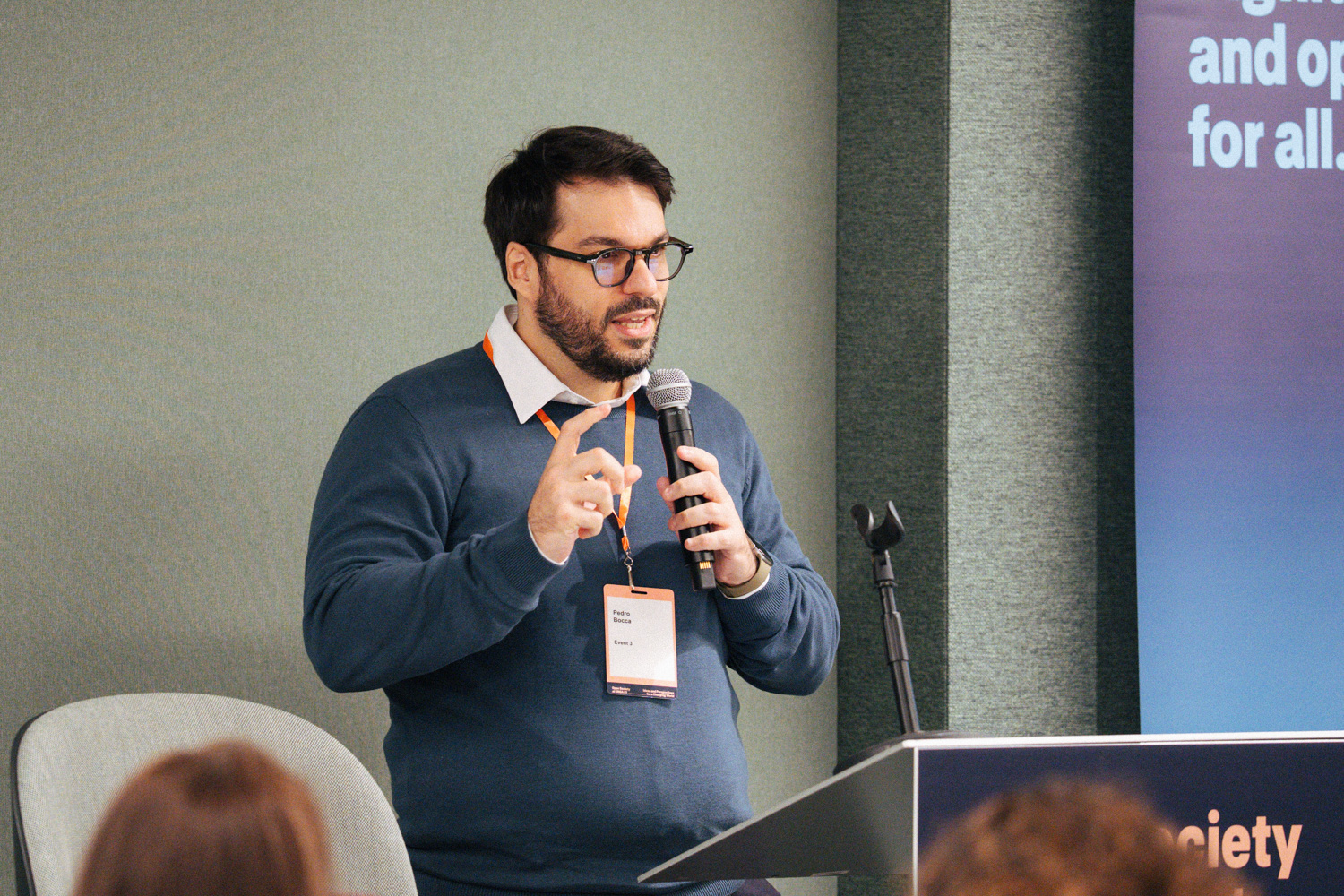
This is what Pedro Bocca, Coordinator of International Affairs and Public Policy at GIFE (Group of Institutes, Foundations and Companies) in Brazil, recently presented at the forum “Connecting Philanthropic Strategies in the Americas: From Latin America Toward a Shared Agenda for Civic Space and Democratic Resilience,” convened by Fundación Avina, Hispanics in Philanthropy, and Open Society Foundations on the occasion of this year’s 81st United Nations General Assembly. On the one hand, siloed funding does in some way affect democracy, but these resources become fragmented in the absence of a shared strategy. The situation is different when there is a deliberate intention to strengthen the philanthropic ecosystem by supporting the social actors on the front lines who are opening dialogues, fostering debate, and sustaining conversations that can challenge and reshape relationships in the current context.
Betting on funding the democratic ecosystem, understood through its diversity of actors, has the concrete objective of strengthening the democratic foundation and, in turn, enabling the social, political, and cultural conditions needed to build a vision for society. It means building the minimum foundation that allows responses to the current moment to flourish.
There are still few funders that have a clear commitment to supporting the democratic ecosystem. One of the arguments that helps explain this situation is that defending democracy is interpreted as a political stance and is often associated with the progressive camp. However, the fundamental distinction is not between left and right, but between democratic and anti-democratic, between authoritarian and non-authoritarian. This shift in perspective transforms the conversation: the current context demands deeper analyses that move beyond the polarizing equation and do not leave behind the minimum conditions needed for collective construction.
For more than 30 years, the region has experienced a fragmentation of its identity. While sharing common challenges, it has built responses along the way: sometimes more comprehensive, and at other times completely individualized. This means missing an opportunity: given the social and cultural ties that have been built, Latin America and the Caribbean, as a group of countries that share territory and resources, could position itself differently, respond to current challenges through other strategies, and strengthen a Latin American vision. The perception is that, although Latin America and the Caribbean share many elements, the region is not characterized by a collective response capable of improving and enabling democratic conditions that lead to well-being and shared prosperity.
This moment calls for common strategic directions. This means creating spaces that broaden the conversation and bring in new actors, enriching the exchange about where we are and where these collective efforts are headed. From this process, innovations may emerge that drive the urgent changes the region is calling for, responding to a key question: how can philanthropy help reduce polarizing conditions and activate those that enable democracy?
As a region, we must organize conversations among different social sectors and actors within philanthropy, so that they can help shape a regional philanthropic identity. We must demystify the risks of funding democracy in favor of building lasting philanthropic ecosystems and, finally, recognize Latin America and the Caribbean as a relevant region in the global context. This is a moment to return to the roots of philanthropy’s role in democracy and to reconsider the resources our foundations allocate to this purpose. If we lose democracy, what place would remain for philanthropy?
Anaid Alcázar
Democracies Program
Fundación Avina