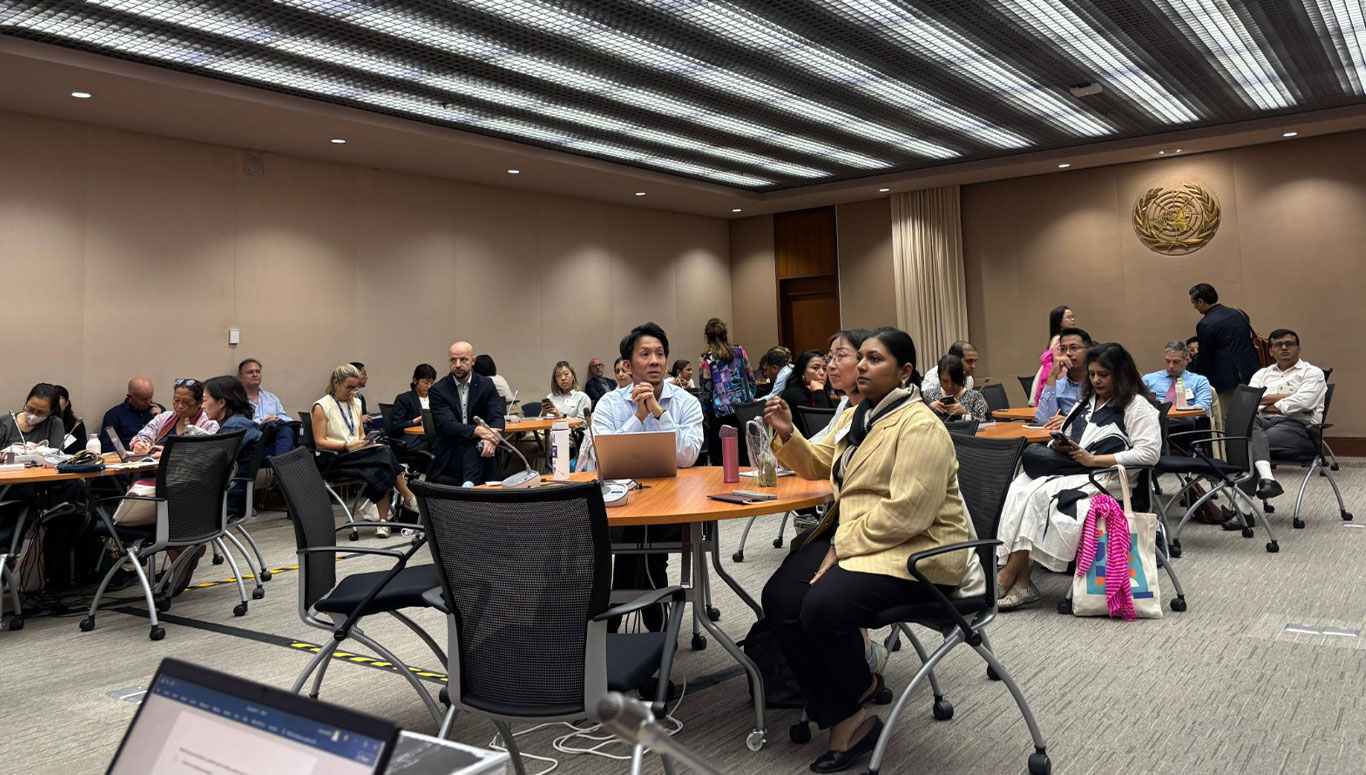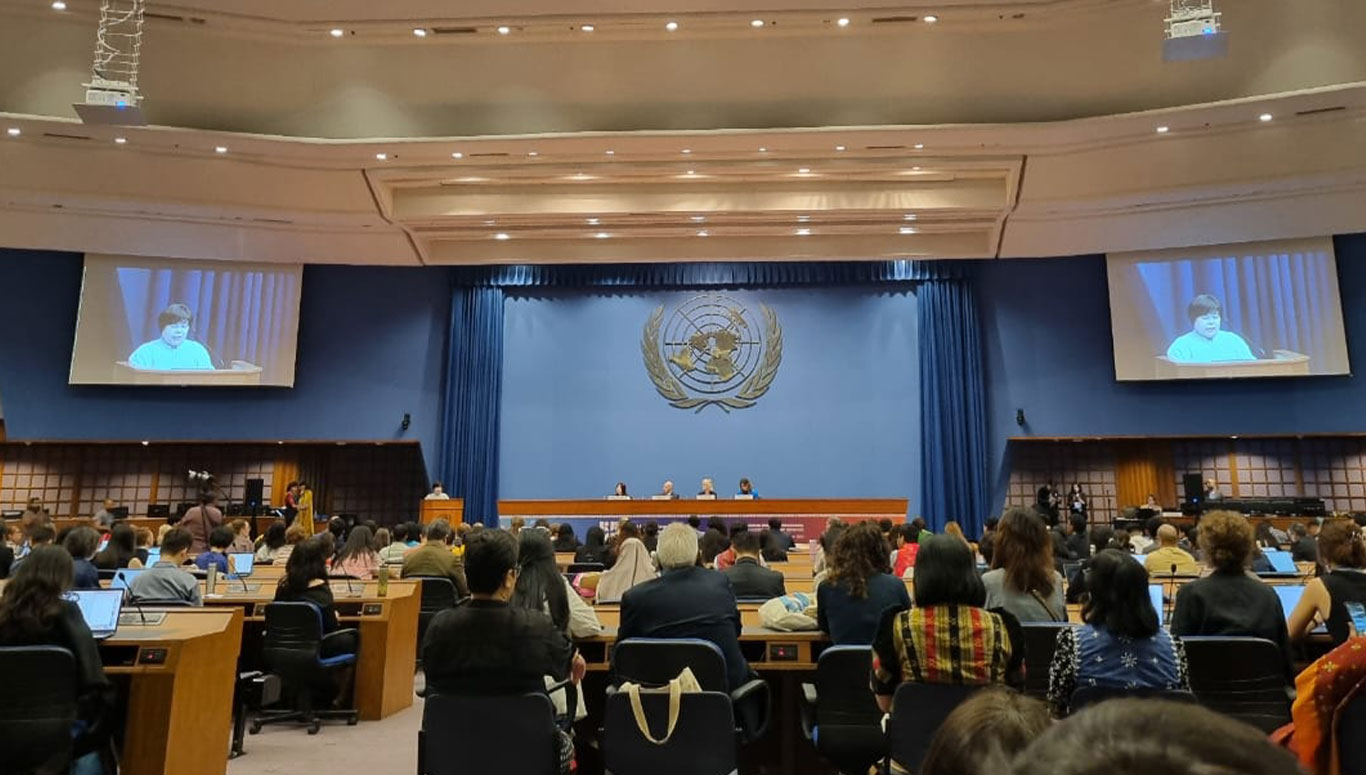
From September 15 to 19, 2025, Fundación Avina took part in the United Nations Regional Forum on Business and Human Rights in Asia, held in Bangkok, Thailand. More than 1,200 representatives from governments, businesses, trade unions, and civil society organizations gathered under the theme "Consolidating progress and strengthening regional leadership on human rights in times of crisis."
Workers' voices
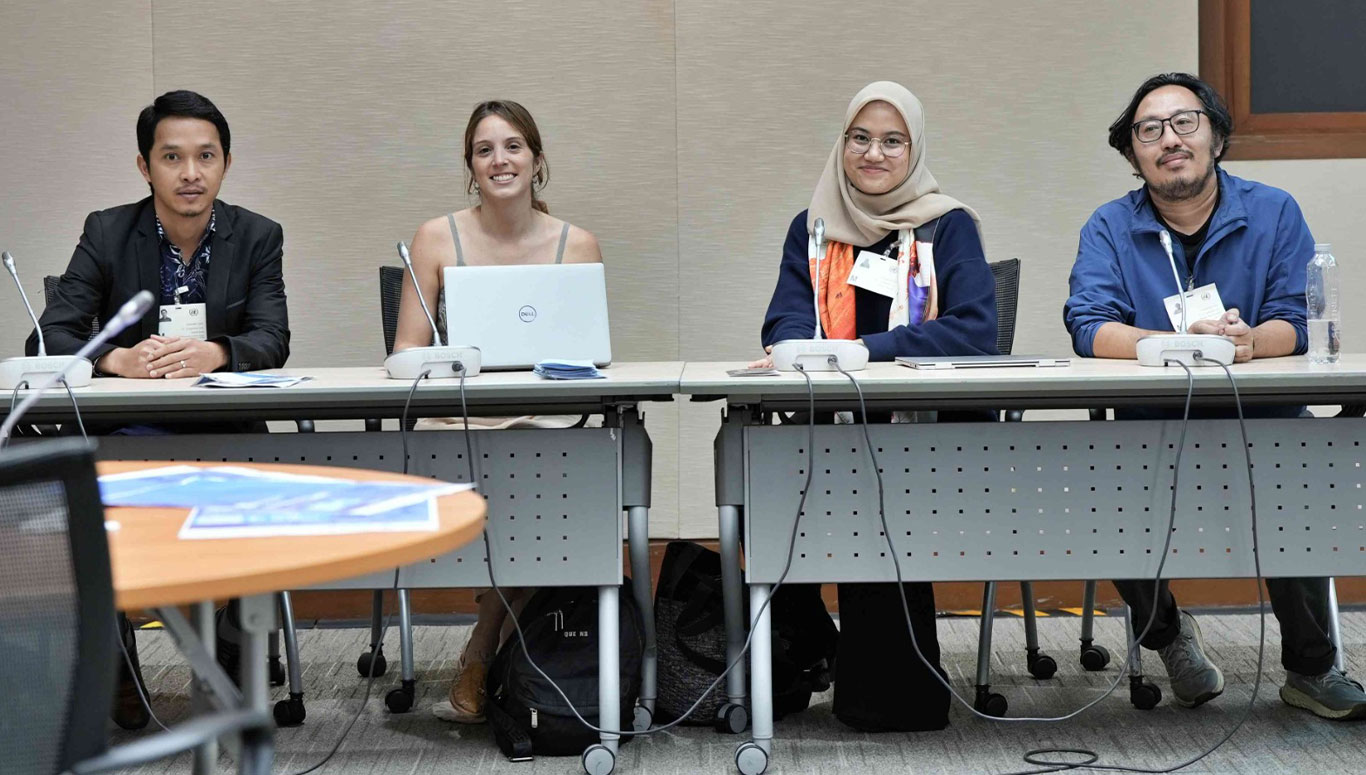
Within this framework, and through the Democracy at Work Fund , we led the session "Centering Worker Voices in Supply Chain Due Diligence and Remedy in Southeast Asia", organized in collaboration with Forum Silaturahmi Pelaut Indonesia (FOSPI), The New Factory, Perkumpulan Sembada Bersama Indonesia, and the Business & Human Rights Resource Centre (BHRRC).
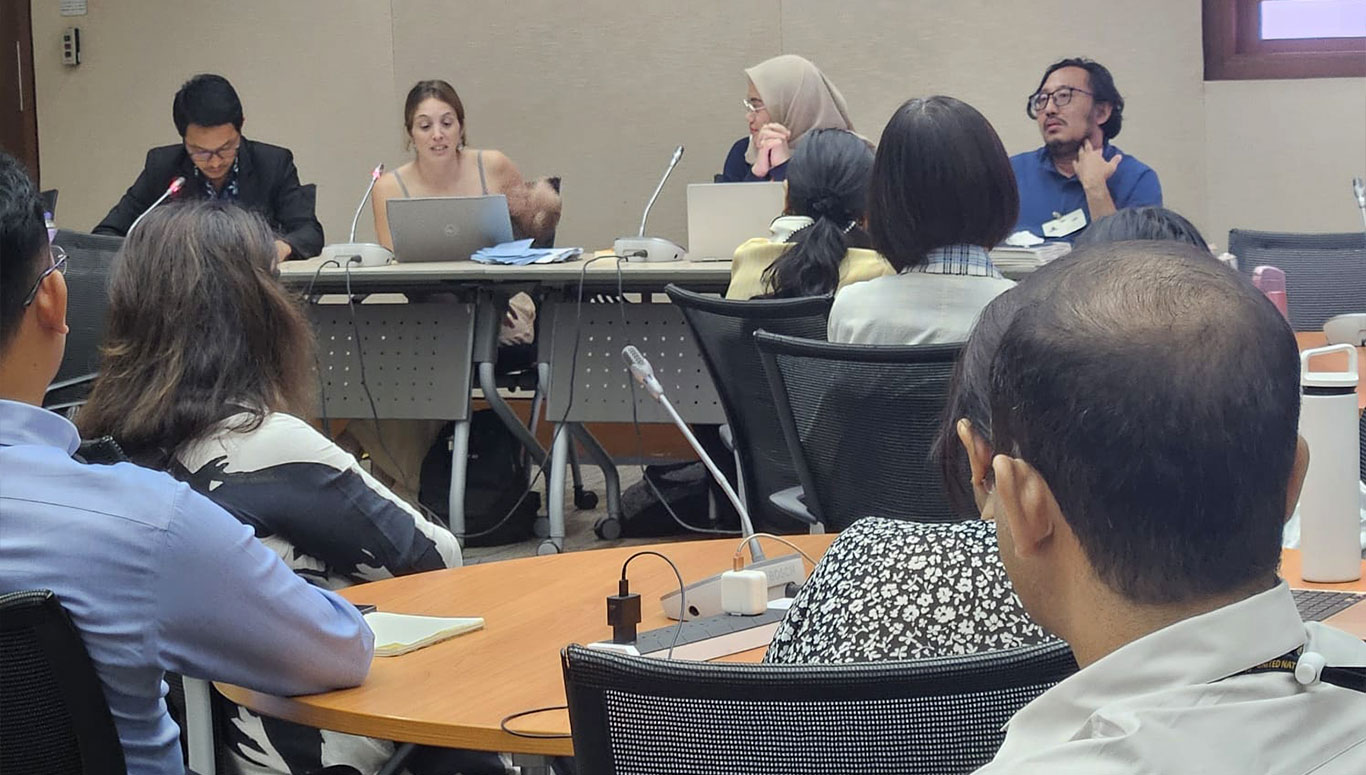
This 60-minute interactive workshop allowed us to hear directly from migrant and informal workers in sectors such as textiles, fishing, and nickel mining across Southeast Asia. Through their testimonies, structural barriers that exclude them from due diligence and remedy processes were identified, and recommendations to transform these systems from the ground up were co-created
Testimonies That Inspire Action
- Alia Sarastita (The New Factory) shared how informality renders over 50% of Indonesia's textile workforce invisible. Her organization promotes worker cooperatives to establish collective standards and gain recognition from brands.
- Achmad Mudzakir (FOSPI) denounced the lack of connectivity which prevents migrant fishers from communicating or reporting abuse. His campaign, "Wi-Fi Now for Fishers' Rights at Sea", demands universal access to Wi-Fi as a labor right.
- Abu Mufakhir (Sembada Bersama) exposed the extreme conditions in nickel smelters, where over 200 deaths have been documented in six years. Women face 12-hour night shifts in male-dominated environments, with severe impacts on their physical and mental health.
- Piseth Duch (BHRRC) offered a critical perspective on the gap between corporate policies and their real-world implementation, emphasizing the need to include workers in monitoring and remedy processes.
Recommendations from Practice
We split into working groups to develop proposals inspired by the cases presented, resulting in the following:
- Process Design: Worker-led audits, transparent reporting, and continuous feedback mechanisms.
- Monitoring and Remedy: Accessible, multilingual tech platforms tailored to workers' realities.
- Public Policy: Legal reforms to accredit worker representatives, integrate due diligence into company registration, and promote greater transparency in commercial agreements.
Similar challenges and Asia's role
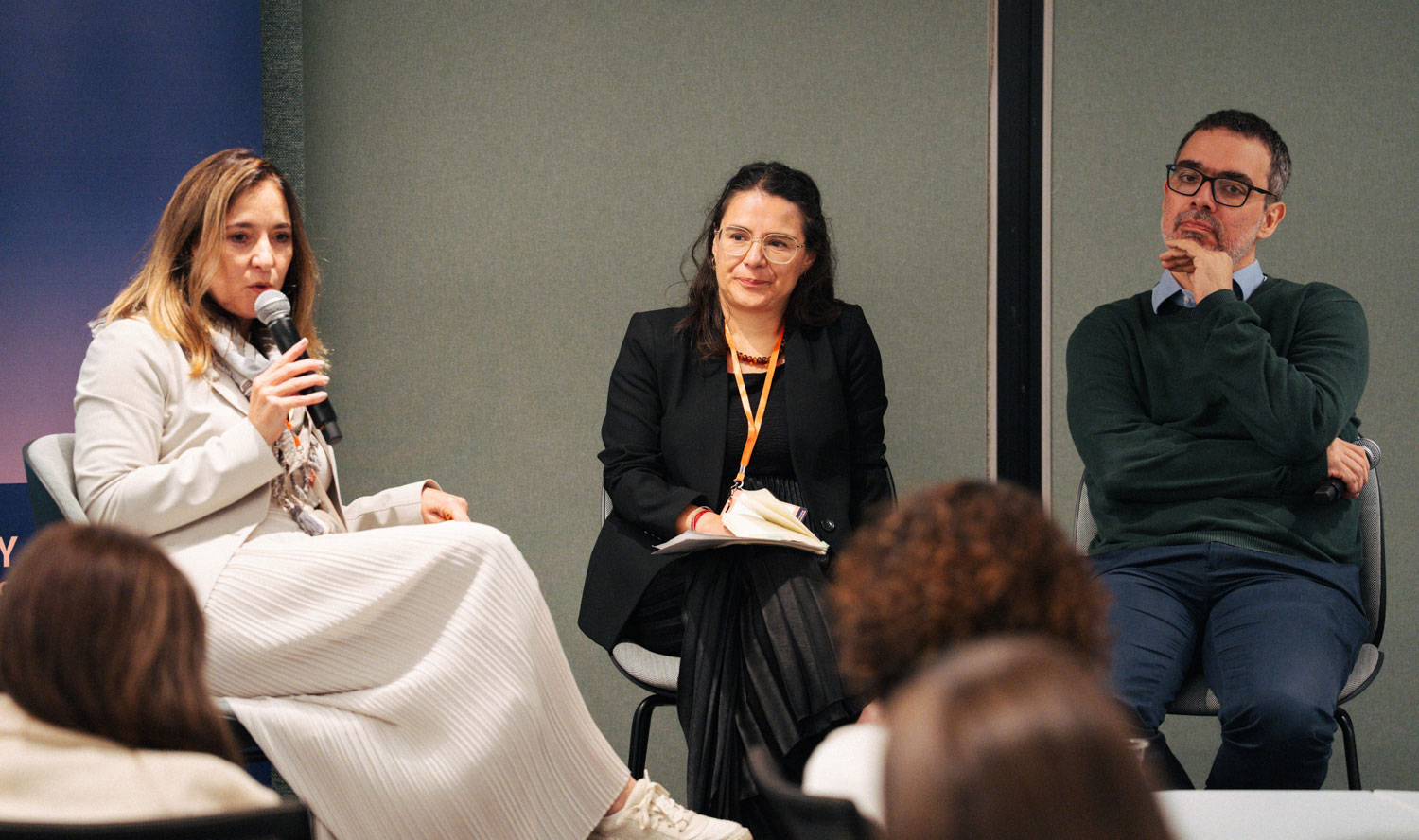
Giselle Baiguera, from Fundación Avina's Labor Innovation and Inclusive Circular Economy programs, highlighted:
"It was extremely valuable to hear from different actors committed to defending labor rights in Asia, who face challenges similar to those in Latin America: informality, low wages, and opaque supply chains. Asia's geopolitical relevance, its role in the global economy, and its population density make it a key space to influence international business and human rights standards and to build an integrated vision of the Global South."
What's Next?
The session made it clear that solutions exist and are being led by workers themselves. Recognizing their knowledge as valid evidence, funding community-driven innovations, and pushing for legal reforms are urgent steps toward building fairer supply chains.
Fundación Avina and its partner organizations will compile the recommendations into a synthesis document that will be shared with the Forum's participants and organizers, ensuring that the voices and reflections are not lost.