October 29 marks the International Day of Care and Support, which seeks to highlight the importance of care and its crucial role in social and gender equality, economic development, and the building of resilient and inclusive societies.
According to the Economic Commission for Latin America and the Caribbean (ECLAC), if domestic and care work were accounted for, it would represent more than 20% of the region’s GDP. This shows that care is an essential yet invisible infrastructure, sustained mainly by women, who spend three times more time than men on unpaid tasks, according to UN Women.
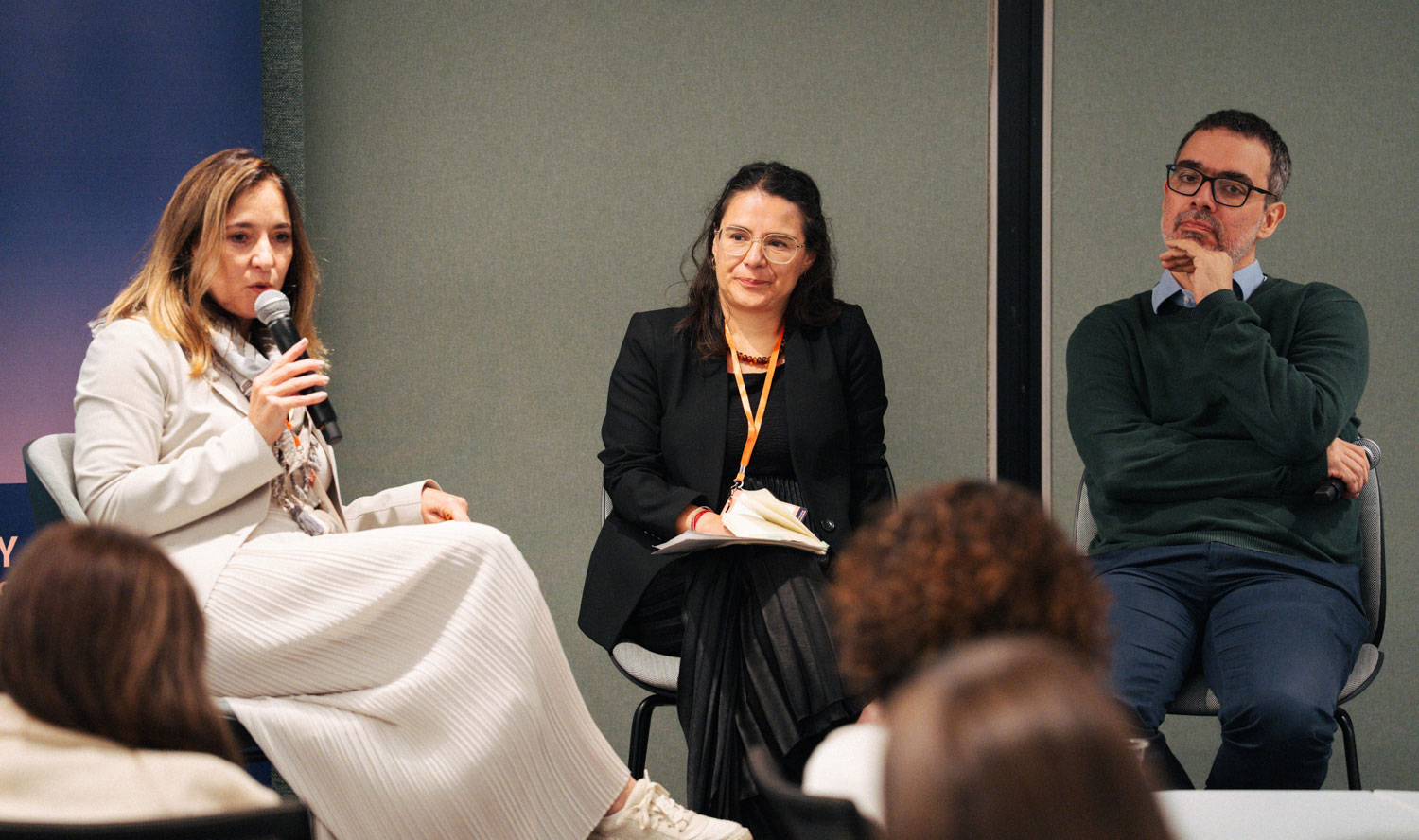
“Prioritizing care for people and the planet is a strategic urgency due to its simultaneous impact on three of the most pressing crises of our time: inequality, the erosion of democracy, and the climate crisis — aiming for a fairer and more sustainable future for all generations.”
— Valentina Zendejas, Country Manager Mexico – Fundación Avina.
At Fundación Avina, we recognize that care cuts across all dimensions of human dignity and planetary well-being. Therefore, integrating a care perspective into all our agendas and driving change alongside our allies, moving toward care-centered societies, is one of our key priorities. These are some of the fundamental intersections we consider:
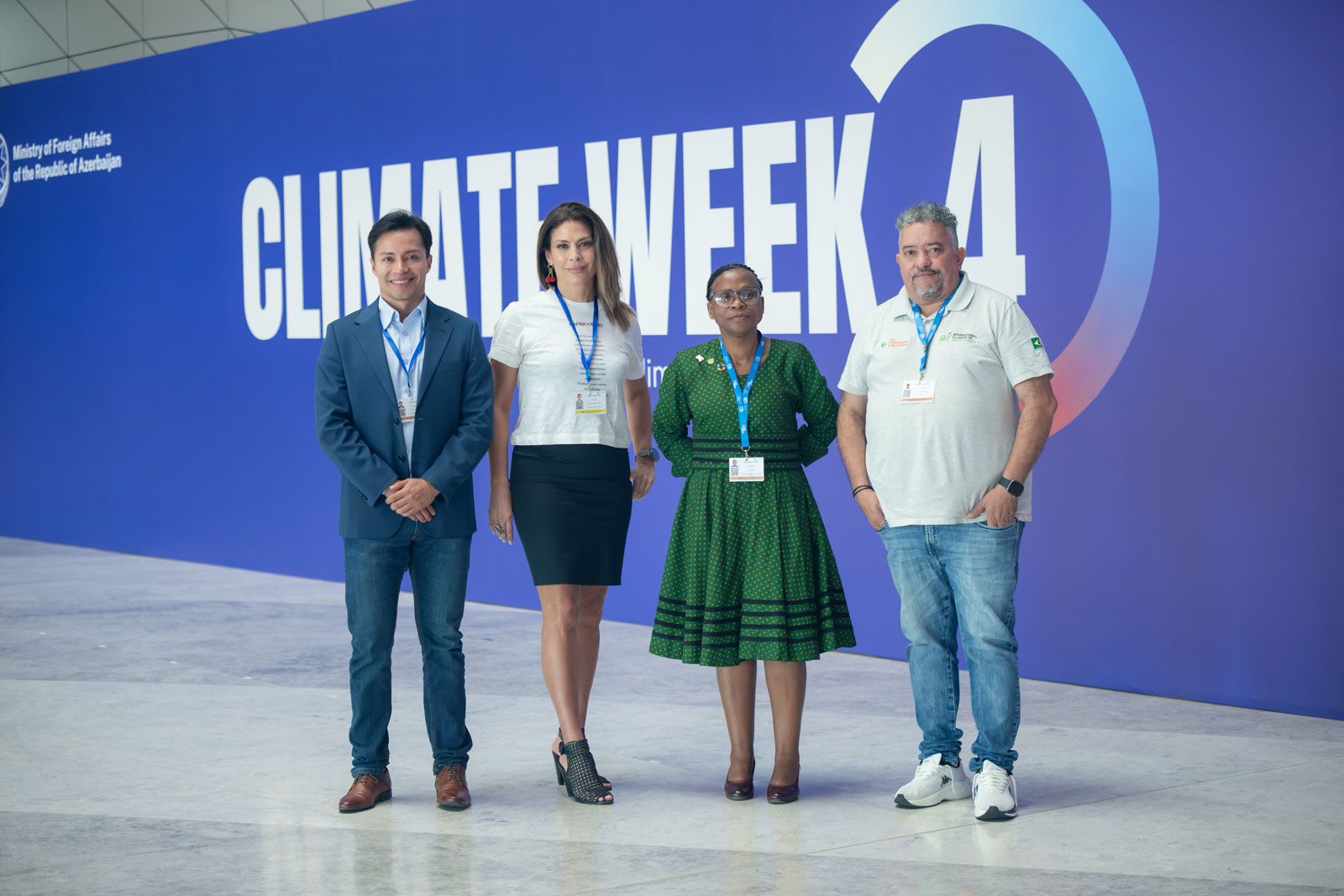
Care and climate action
Climate crises exacerbate existing inequalities — and care is no exception. In contexts of natural disasters or resource scarcity, care infrastructures are disrupted, increasing the workload, which falls disproportionately on women. Therefore, adopting climate action that incorporates care is part of a community’s climate resilience.
The “double workday” for women
The unequal distribution of care work, rooted in traditional gender roles, has led to an excessive workload for women and girls. This extra burden limits their access to employment, education, and political participation. Recognizing this reality is essential to designing policies that promote shared responsibility and gender equality.
Decent work
Paid care workers — such as domestic workers, caregivers of older adults, sick individuals, or children — often face precarious working conditions without access to social protection or full labor rights. Achieving dignified working conditions remains a key challenge to reducing social and gender inequalities.
The historical debt of comprehensive care systems
The absence of comprehensive care systems perpetuates gender and social inequalities, creating a deficit of sufficient and quality care for those who need it. Building shared responsibility models — involving the State, private sector, and communities — is essential.
Addressing the care agenda requires systemic transformation. Key actions include:
- Recognizing care as work, a right, and a pillar of life’s sustainability.
- Redistributing responsibilities among the State, families, the market, communities, and between men and women.
- Reducing unequal care burdens through expanded public services and time policies.
- Rewarding caregivers with decent work, social protection, and fair wages.
- Including caregivers and social movements in decision-making processes.
- Reorganizing the economy and public policy to put life at the center, not profit.
- Reframing care as a collective, ecological, and interdependent practice.
- Repairing historical inequalities of class, gender, race, and territory that sustain the sexual division of labor.
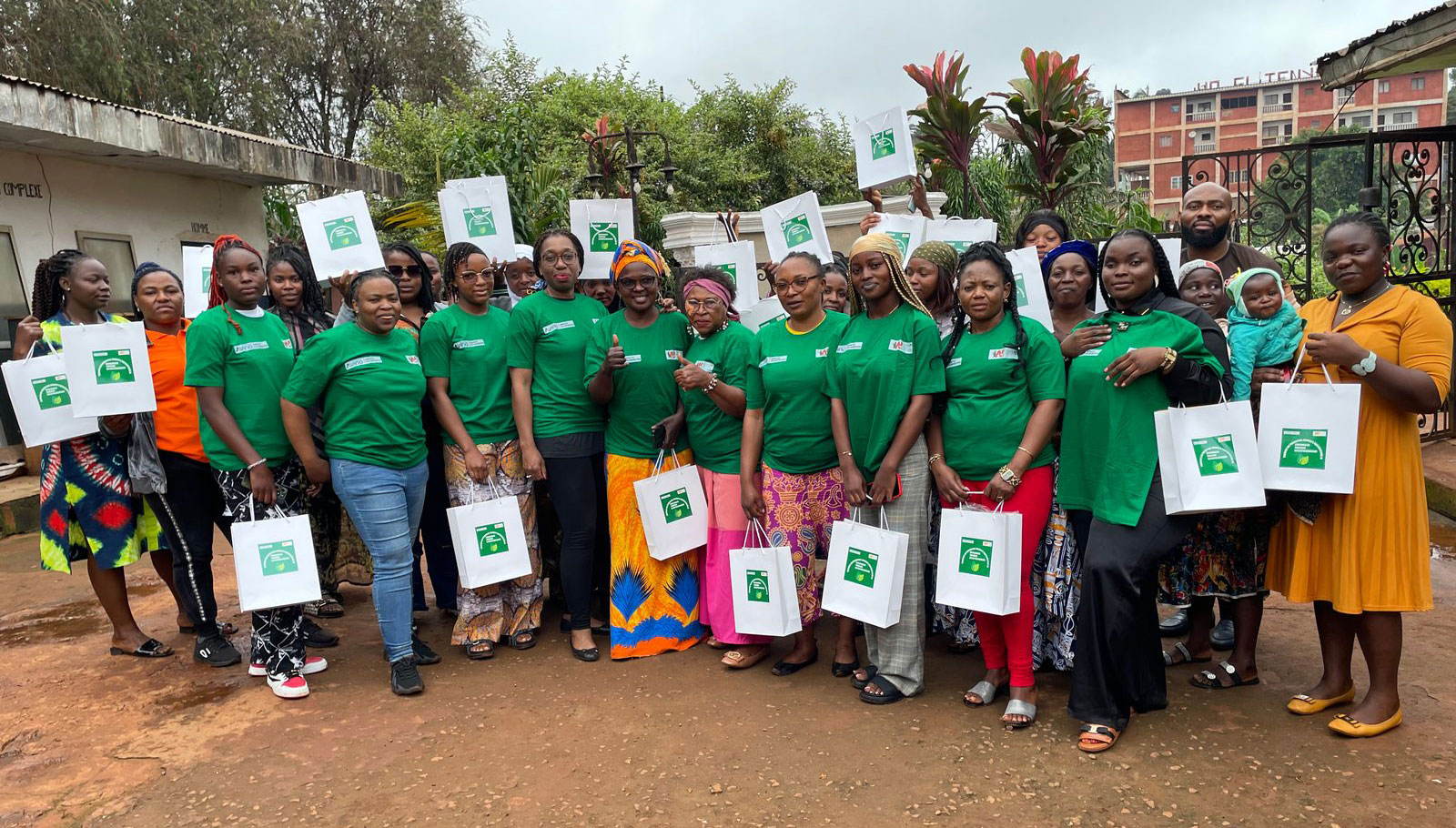
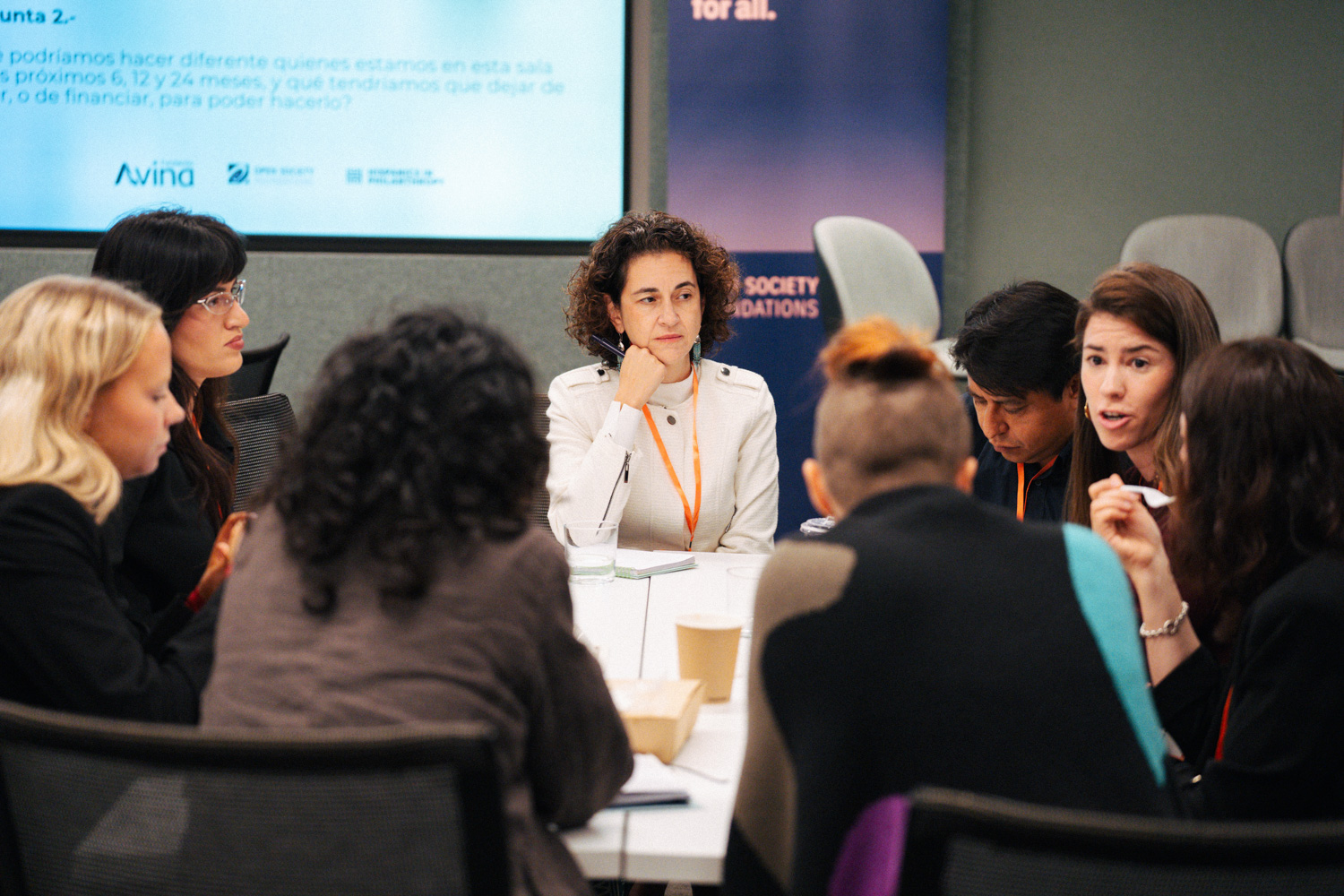
Let’s continue advancing this dialogue and the actions needed to build more just and equitable societies. Fundación Avina continues to drive transformations with allies such as Climate and Care Initiative, Unidas, Aguas Comunes, Periplo Chile, and SURGE, among others.